
Transportation in Micronesia: Navigating Between Remote Islands
Micronesia, a vast expanse of emerald islands scattered across the Pacific, offers an unparalleled adventure for travelers seeking untouched beauty and rich culture. However, its very allure—the remoteness and dispersion of its islands—presents a unique set of transportation challenges that are crucial to understand for a smooth and memorable journey.
Getting There: International Access Points
The journey to Micronesia typically begins with international flights connecting to the region's main gateways. The Federated States of Micronesia (FSM) is served by several key international airports, primarily on the larger islands of Pohnpei, Chuuk (Truk), Kosrae, and Yap. The most common entry point for many visitors is through Guam, which acts as a major hub for flights across the Pacific.
Major airlines, including United Airlines, operate what is famously known as the "Island Hopper" service. This route, originating from Honolulu and continuing through Majuro (Marshall Islands), Kwajalein (Marshall Islands), Kosrae, Pohnpei, and Chuuk before reaching Guam, serves as a vital aerial highway. While sometimes lengthy, it offers a fascinating glimpse into the region and is often the most reliable way to access multiple FSM states.
Inter-Island Travel: The Heart of Micronesian Navigation
Once you've arrived in Micronesia, navigating between the hundreds of islands and atolls becomes the next adventure. This segment of your journey often requires a mix of air and sea travel, each offering distinct experiences and levels of accessibility.
Air Travel within Micronesia
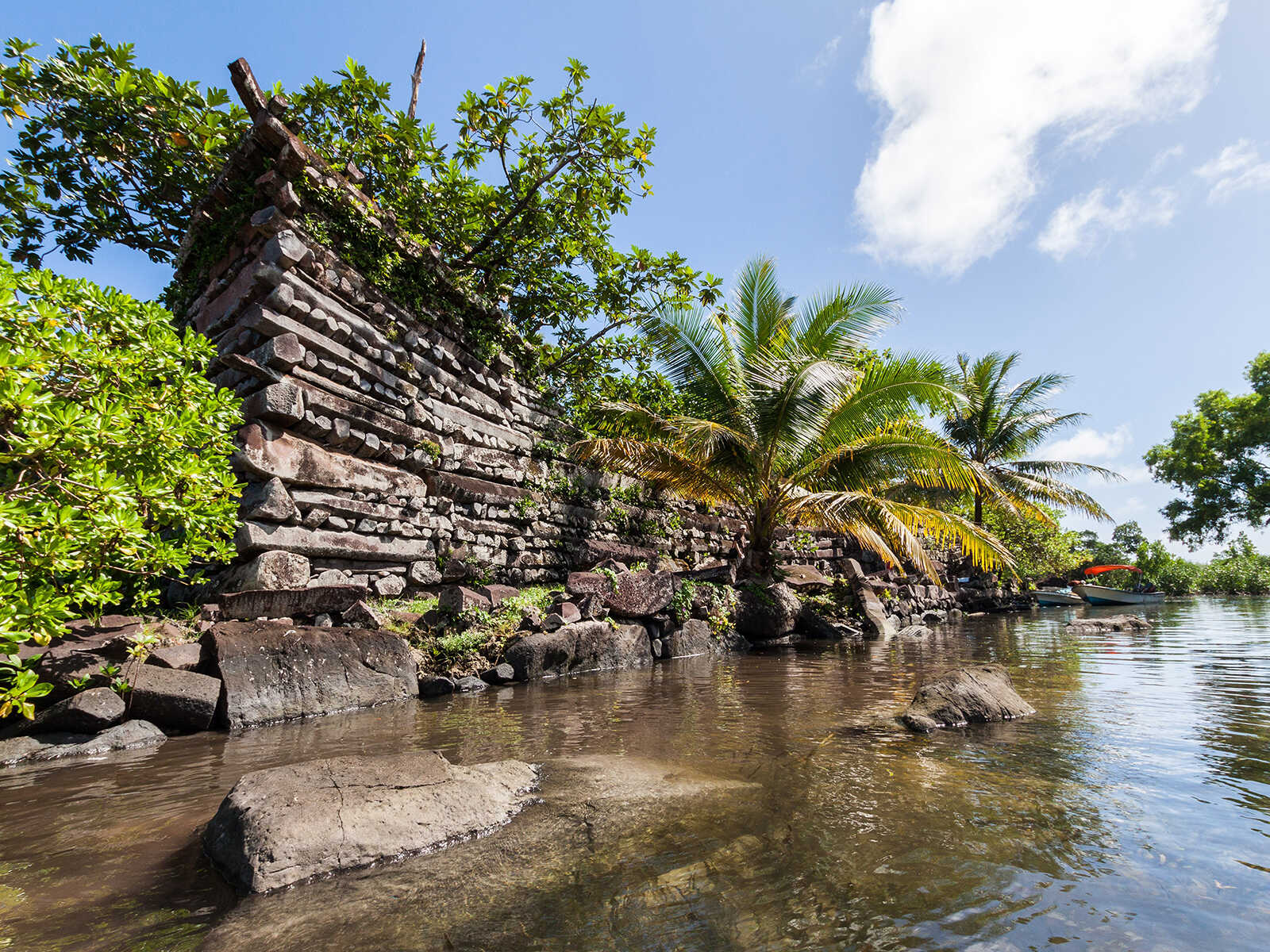
For covering significant distances between the main states of the FSM, domestic flights are the fastest and most convenient option. These flights typically utilize the same international airports mentioned above. While schedules can be less frequent than in more developed regions, air travel allows visitors to maximize their time exploring diverse destinations like the ancient ruins of Nan Madol on Pohnpei or the cultural vibrancy of Yap.
Travel Tip:Always book inter-island flights well in advance, especially during peak seasons. Be prepared for potential schedule changes or delays, a common aspect of travel in remote island nations. Flexibility is key!
Sea Travel: The Traditional Lifeline
For reaching the outer islands and atolls not serviced by air, sea travel is indispensable. This can range from scheduled cargo ships that occasionally take passengers to private boat charters.
- Cargo Ships and Government Ferries:These vessels are the lifelines for many remote communities, transporting goods, supplies, and sometimes a limited number of passengers. While they offer an authentic and immersive experience, they are often slow, operate on infrequent and sometimes unpredictable schedules, and accommodations are basic. However, for the adventurous traveler, it's an unparalleled way to connect with local life and witness the vastness of the Pacific.
- Traditional Outrigger Canoes:On a local level, traditional outrigger canoes, some motorized, remain a crucial mode of transport between neighboring islands or for reaching fishing grounds. While not typically a primary tourist transport, experiencing a ride in one of these vessels offers a profound connection to Micronesia's seafaring heritage.
For those interested in exploring specific marine attractions, such as the famous shipwrecks of Truk Lagoon or the pristine waters around Ant Atoll, dedicated dive boats and tour operators provide safe and reliable sea transport. These services are often pre-arranged as part of a tour package.
Private Boats and Charters
For travelers seeking greater flexibility, speed, or access to very specific, off-the-beaten-path locations, private boat charters are an excellent option. These can be arranged through local tour operators, hotels, or dive shops. Charters are ideal for personalized diving, fishing, or island-hopping excursions, allowing you to tailor your itinerary to visit places like remote surf breaks or secluded beaches. Ensure you choose reputable operators with well-maintained vessels and experienced captains.
On-Island Transportation: Getting Around Locally
Once you've landed on your chosen island, local transport options vary significantly depending on its size, development, and infrastructure. Generally, the larger islands like Pohnpei, Chuuk, and Yap offer more choices.
Cars and Taxis
On islands such as Pohnpei, where attractions like Nan Madol,Sokehs Rock, and Kepirohi Waterfall are spread out, renting a car is often the most practical way to explore independently. Rental agencies are available in the main towns. Alternatively, taxis are common in more populated areas and can often be hired for half-day or full-day excursions, providing both transport and local insights from your driver.
On smaller islands or outer atolls, cars are rare, and paved roads are limited. Here, walking, bicycles, or local boats are the primary modes of transport.
Scooters and Bicycles
For shorter distances and exploring villages, scooters and bicycles can be a fun and eco-friendly way to get around. Availability varies by island, with some guesthouses offering rentals. Always check the condition of the equipment and wear appropriate safety gear.
Walking
In many Micronesian communities, especially on the outer islands, walking is the primary mode of transport. It's an excellent way to immerse yourself in the local culture, meet residents, and appreciate the natural surroundings at a leisurely pace. For treks to interior waterfalls or viewpoints, guided walks are recommended.
Local Buses and Shared Taxis
While not formal bus systems in the Western sense, some islands have informal shared taxi or minivan services that operate along main routes. These are incredibly affordable and offer another authentic local experience, though they may not follow strict schedules.
Planning Your Micronesian Journey: Essential Tips
Successfully navigating Micronesia requires preparation and a flexible mindset. Here are a few key considerations:
- Book Ahead:Especially for flights and popular accommodations, securing your bookings in advance is crucial.
- Confirm Schedules:Always reconfirm flight and boat schedules a day or two before departure, as changes are not uncommon.
- Embrace Flexibility:"Island time" is a real concept. Delays and unexpected changes are part of the adventure.
- Local Knowledge:Don't hesitate to ask your guesthouse hosts, tour operators, or locals for the best advice on getting around. They often have the most up-to-date information.
- Pack Smart:Consider the type of transport you'll use. Light, easily managed luggage is always a good idea, especially for boat transfers or smaller aircraft.
Transportation in Micronesia is an integral part of the travel experience, offering insights into the resilience, resourcefulness, and deep connection to the ocean that defines these islands. By understanding the options and embracing the unique challenges, you'll unlock an unforgettable adventure across one of the world's most remote and beautiful destinations.