
Snorkeling in Micronesia: Best Spots for Pristine Coral & Marine Life
Micronesia, a vast region spanning thousands of islands in the western Pacific, is a true underwater paradise awaiting discovery. Renowned for its unparalleled biodiversity and crystal-clear waters, it offers some of the planet's most spectacular snorkeling experiences. Prepare to immerse yourself in vibrant coral gardens and encounter an astonishing array of marine life.
Why Snorkel in Micronesia?
Beyond its postcard-perfect beaches, Micronesia's allure lies beneath the surface. This remote island nation boasts an incredible diversity of marine ecosystems, from shallow coral reefs teeming with colorful fish to dramatic drop-offs and intriguing historical wreck sites accessible even to snorkelers. The warm, clear waters offer exceptional visibility, making every snorkeling excursion an unforgettable journey into an aquatic wonderland.
What sets Micronesia apart is its relatively untouched nature. Many of its reefs remain pristine, benefiting from lower visitor numbers compared to more famous snorkeling destinations. This allows for healthier coral formations and a more robust population of marine species, ensuring a truly authentic and breathtaking encounter with the ocean's natural beauty.
Fun Fact:The waters of Micronesia are part of the Coral Triangle, a marine area recognized as the global center of marine biodiversity. This region hosts more coral species (over 600) and reef fish species (over 3000) than anywhere else in the world.
Top Snorkeling Destinations and Best Spots
Palau: The Crown Jewel of the Pacific
Palau is often considered the pinnacle of Micronesian marine exploration, and for good reason. Its iconic Rock Islands, a UNESCO World Heritage site, offer countless sheltered coves and limestone arches perfect for snorkeling. The visibility here is often exceptional, revealing a world of intricate corals and diverse fish.
- German Channel:While famous for manta rays among divers, snorkelers can often spot these majestic creatures feeding in the shallower areas, alongside various sharks and schools of fish.
- Ngemelis Island (Big Drop-Off):Even from the surface, the sheer abundance of marine life along the edge of this dramatic wall is astounding. Expect to see vibrant soft corals, anemones with clownfish, and a multitude of reef fish.
- Jellyfish Lake:Though swimmingwiththe golden jellyfish is no longer permitted to protect the delicate ecosystem, the surrounding lagoon areas still offer fantastic snorkeling with other species.
Federated States of Micronesia (FSM)
The FSM comprises four states, each offering unique snorkeling opportunities.
Pohnpei: Lush Islands and Underwater Wonders
Pohnpei is a verdant island known for its lush interior and impressive coastal reefs. Its barrier reef system creates calm, sheltered lagoons ideal for exploring.
- Ant Atoll:A stunning atoll located southwest of Pohnpei,Ant Atoll is a pristine marine sanctuary. Its shallow lagoons and vibrant outer reefs are home to healthy coral formations, reef sharks, turtles, and an incredible variety of fish. It's often reached via a day trip from Pohnpei.
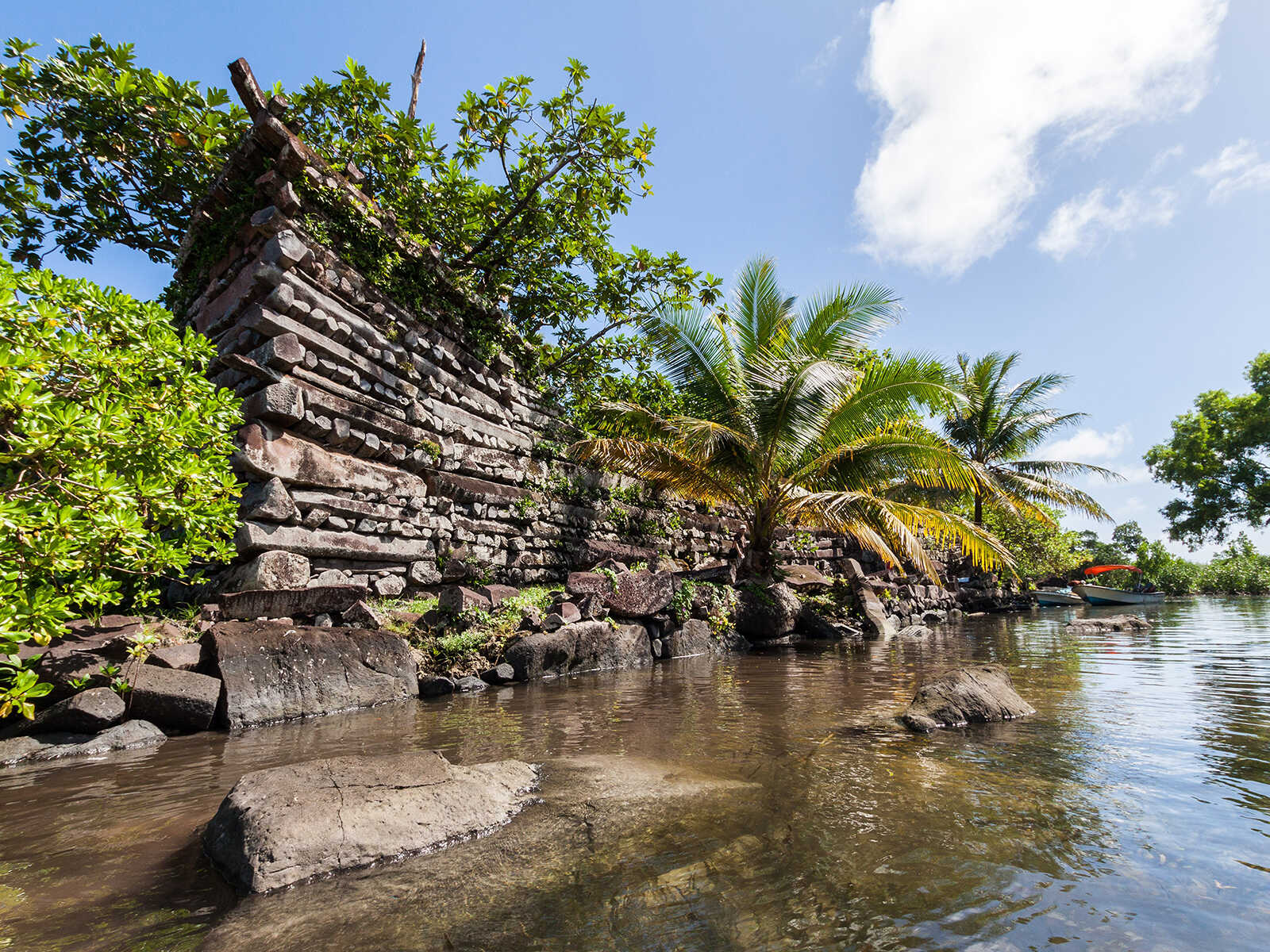
- Near Nan Madol:While the ancient ruins of Nan Madol themselves are historical, the surrounding coastal areas offer glimpses of Pohnpei's beautiful near-shore reefs, often accessible directly from the shore or via short boat rides. You might even combine a cultural visit with some refreshing snorkeling.
- Sokehs Pass:The channel leading towards Sokehs Rock features good current-fed reefs, attracting a greater diversity of fish.
Chuuk (Truk Lagoon): Wreck Snorkeling and Reefs
While Truk Lagoon is world-renowned for its deep wreck diving from WWII, it also offers unique snorkeling experiences. Many of the shallowest wrecks, like planes and parts of ships, are accessible to snorkelers, offering a fascinating glimpse into history intertwined with marine growth.
- Shallow Wreck Sites:Several Japanese wrecks sit in waters shallow enough to be explored from the surface, adorned with corals and home to countless fish.
- Outer Reefs:Beyond the wrecks,Truk Lagoon's outer barrier reef boasts vibrant coral gardens and abundant marine life, undisturbed by human activity.
Yap: Land of Mantas and Macro Life
Yap is famous for its resident population of manta rays, and while many encounters happen at dive depths, snorkelers can also have incredible interactions in shallower cleaning stations or feeding areas. The reefs around Yap are incredibly healthy, featuring pristine hard corals and an impressive array of macro life.
- Manta Ray Sites:Specific channels and cleaning stations offer opportunities for snorkelers to witness these gentle giants glide gracefully.
- Outer Reefs:Explore walls and slopes teeming with reef sharks, turtles, and an explosion of colorful reef fish.
Kosrae: The Sleeping Lady's Pristine Reefs
Kosrae is a less-visited gem, offering some of the most untouched and healthy coral reefs in Micronesia. Its fringing reef is remarkably close to shore, making many spots easily accessible.
- Lelu Harbour:The calm, clear waters around Lelu offer excellent snorkeling, particularly around the small islands and channels.
- Utwe-Walung Marine Park:This protected area boasts diverse mangrove forests and thriving coral communities, providing a unique snorkeling environment.
Marshall Islands: Remote Atolls and Marine Sanctuaries
The Marshall Islands offer a more remote and adventurous snorkeling experience. Many of its atolls are pristine and relatively unexplored.
- Arno Atoll:Known for its vibrant reefs and clear lagoons, Arno Atoll provides an authentic Micronesian snorkeling adventure away from the crowds.
- Majuro Atoll:While a capital, Majuro still offers accessible snorkeling spots within its lagoon and along its outer reefs.
What Marine Life to Expect
Micronesia's reefs are a kaleidoscope of life. Snorkelers can expect to encounter:
- Hard Corals:Staghorn, brain, table, and plate corals form intricate underwater cities.
- Soft Corals:Vibrant gorgonians and sea fans sway gently in the currents.
- Reef Fish:A dazzling array including parrotfish, butterflyfish, angelfish, surgeonfish, damselfish, triggerfish, and clownfish in their anemone homes.
- Pelagic Species:White-tip reef sharks, black-tip reef sharks, grey reef sharks, and occasionally larger pelagics like tuna and barracuda.
- Rays:Manta rays, eagle rays, and stingrays are common sights.
- Turtles:Green sea turtles and hawksbill turtles are frequently spotted gracefully gliding through the water.
- Other Invertebrates:Giant clams, sea cucumbers, starfish, and nudibranchs add to the diversity.
Best Time to Go Snorkeling in Micronesia
Micronesia generally enjoys a tropical climate year-round, but there are preferred seasons for optimal snorkeling conditions:
- Dry Season (November to April/May):This period typically offers calmer seas, less rain, and excellent visibility, making it ideal for snorkeling.
- Wet Season (June to October):While still possible to snorkel, this season brings more rain, higher humidity, and a greater chance of storms, which can reduce visibility. However, some areas might experience unique marine life patterns during this time.
Always check local weather forecasts and conditions before planning your trip, as weather patterns can vary between islands.
Essential Snorkeling Gear & Responsible Practices
To make the most of your Micronesian snorkeling adventure, come prepared:
- Mask, Snorkel, and Fins:Ensure they fit comfortably. Many tours provide gear, but bringing your own ensures comfort and hygiene.
- Reef-Safe Sunscreen:Protect yourself from the strong equatorial sun without harming the delicate coral reefs. Look for zinc oxide or titanium dioxide-based sunscreens.
- Rash Guard/UV Shirt:Offers additional sun protection and can help prevent jellyfish stings.
- Underwater Camera:To capture the stunning beauty you'll encounter.
- Lightweight Travel Towel:Quick-drying and essential.
Responsible snorkeling is paramount to preserving Micronesia's precious marine ecosystems:
- Look, Don't Touch:Never touch corals or marine life. Even a gentle touch can damage delicate organisms.
- Maintain Buoyancy:Avoid standing on or kicking coral. If you need to rest, find a sandy patch or float.
- Take Nothing But Photos:Leave shells, rocks, and any other natural elements undisturbed.
- Observe from a Distance:Give marine animals space. Do not chase, harass, or feed them.
Travel Tip:Consider combining your snorkeling trip with inland explorations. On islands like Pohnpei, after a morning on the reef, you could visit the ancient ruins of Nan Madol or hike to the spectacular Kepirohi Waterfall for a refreshing dip.
Conclusion
Snorkeling in Micronesia is an experience that transcends the ordinary, offering a rare glimpse into some of the world's most vibrant and untouched marine environments. From the dramatic Rock Islands of Palau to the manta ray cleaning stations of Yap and the historical wrecks of Truk Lagoon, each island offers a unique underwater narrative. By embracing responsible tourism, you can help preserve these pristine coral gardens and their incredible inhabitants for generations to come, ensuring Micronesia remains a top-tier destination for ocean lovers worldwide.