
Pohnpei Island Guide: Waterfalls, Ruins, and Iconic Landmarks
Pohnpei, the largest island in the Federated States of Micronesia, offers an unparalleled blend of ancient history, lush tropical landscapes, and vibrant marine ecosystems. This verdant paradise beckons adventurers and history enthusiasts alike, promising unforgettable experiences amidst its cascading waterfalls, mysterious ruins, and dramatic natural formations.
Discovering Pohnpei: A Gem of Micronesia
Nestled in the vast expanse of the Pacific, Pohnpei is a high island characterized by its volcanic peaks, dense rainforests, and intricate mangrove systems. It serves as the capital state of the FSM, making it a hub for local culture and governance, yet it retains a pristine, untouched charm. Visitors come to Pohnpei seeking tranquility, adventure, and a deep dive into Micronesian heritage, finding a destination rich in both natural beauty and historical significance. The island's welcoming communities and serene environment create an ideal escape from the bustle of modern life, offering a truly authentic island experience.
The Allure of Pohnpei's Waterfalls
Pohnpei is often called the "Garden Island" due to its abundant rainfall and verdant interior, which gives rise to numerous stunning waterfalls. These natural spectacles range from easily accessible cascades to hidden gems requiring a guided trek, each offering a refreshing embrace of nature.
Kepirohi Waterfall
Among Pohnpei's most famous and accessible waterfalls is Kepirohi Waterfall. Tucked away in a serene jungle setting, Kepirohi features a magnificent curtain of water plunging into a large, inviting pool perfect for swimming. The path to Kepirohi is well-maintained, making it a popular choice for families and those seeking a relatively easy hike. The cool, clear waters provide a refreshing respite, and the surrounding lush foliage creates a tranquil atmosphere.
Liduduhniap Waterfall
For those willing to venture a little further, Liduduhniap Waterfall offers a breathtaking multi-tiered experience. This impressive cascade features several drops, creating a dynamic display of nature's power and beauty. Reaching Liduduhniap often involves navigating through dense jungle, typically with a local guide, rewarding adventurers with spectacular views and a sense of discovery. The journey itself becomes part of the adventure, immersing you in Pohnpei's rich biodiversity.
Sahwartik Waterfall
Smaller but equally enchanting, Sahwartik Waterfall is another beautiful site worth exploring. It's often combined with other attractions due to its proximity to historical sites. Like many Pohnpeian waterfalls, its pools are ideal for a cool dip, offering a perfect way to relax after a walk through the island's interior.
Travel Tip:When visiting Pohnpei's waterfalls, it's advisable to wear sturdy, water-friendly shoes and consider hiring a local guide. Guides not only ensure your safety but also enrich your experience with local knowledge and stories.
Ancient Mysteries: The Ruins of Pohnpei
Pohnpei is home to one of the most remarkable archaeological sites in the Pacific, a testament to the ingenuity and complexity of ancient Micronesian civilizations.
Nan Madol: The Venice of the Pacific
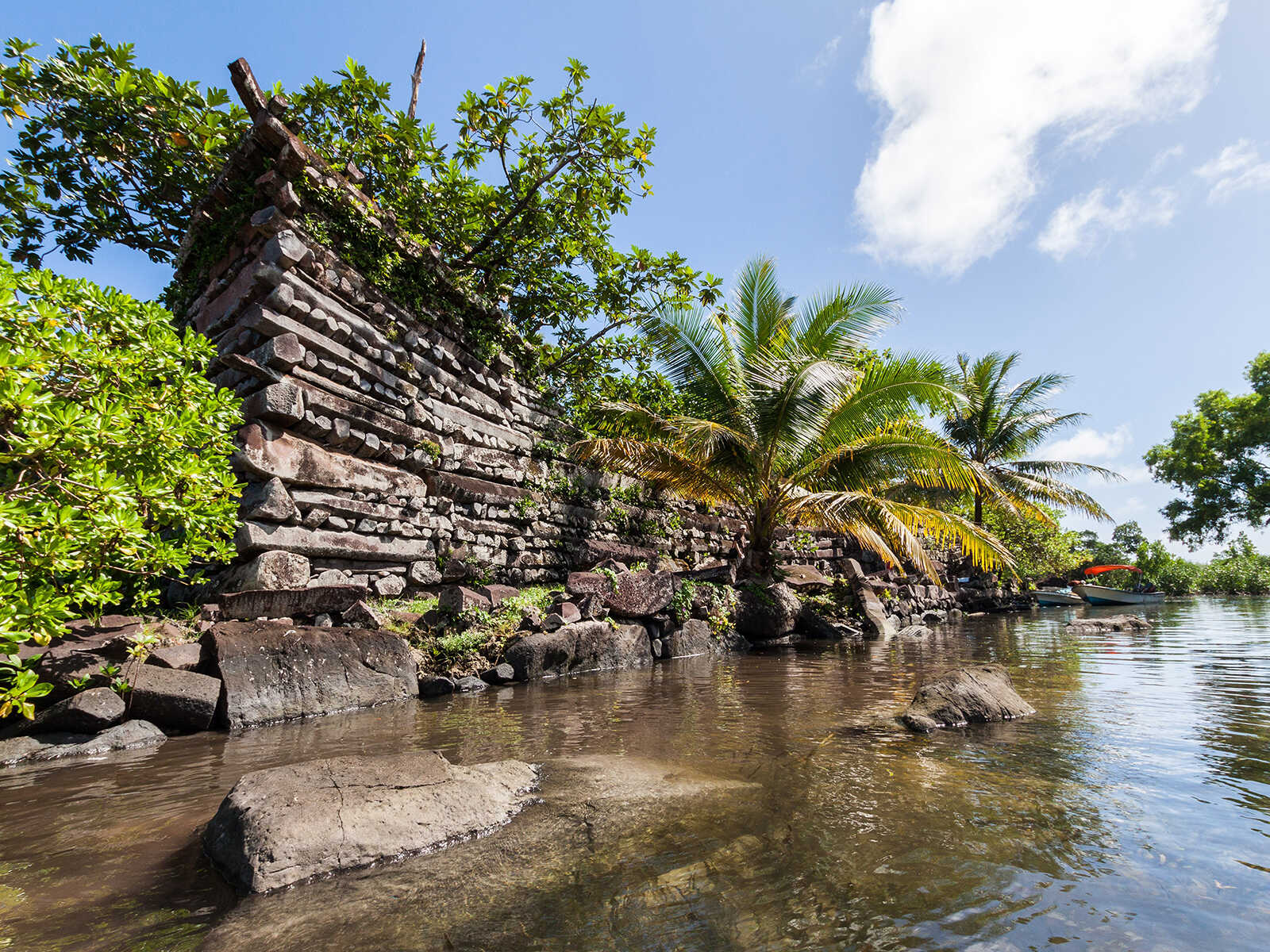
No visit to Pohnpei is complete without exploring Nan Madol, a UNESCO World Heritage Site often referred to as the "Venice of the Pacific." This incredible ruined city, built on a series of artificial islets connected by canals, was the ceremonial and political seat of the Saudeleur Dynasty. Constructed between the 13th and 17th centuries, Nan Madol's massive basalt log walls, weighing up to 50 tons, remain an architectural marvel.
Exploring Nan Madol involves navigating tidal channels and overgrown pathways, which only adds to its mystique. Visitors can wander through the remains of temples, tombs, and residential complexes, marveling at the sheer scale and sophistication of its construction. The site's remote location and the lack of written records contribute to its enduring enigma, sparking countless theories about its origins and the methods used to transport and place such enormous stones.
Fun Fact:The basalt columns used to build Nan Madol are naturally occurring formations, but their precise angular shape and immense size make their transport and stacking by ancient peoples a subject of enduring wonder and local legends.
Visiting Nan Madol typically requires a boat and a local guide who can interpret the site's history and navigate the tides. Planning your visit around low tide is crucial for better access to certain sections of the ruins.
Iconic Landmarks and Natural Wonders
Beyond its waterfalls and ancient ruins, Pohnpei offers a wealth of other captivating landmarks and natural attractions that showcase its diverse beauty.
Sokehs Rock
Dominating the landscape near Kolonia, the capital, is Sokehs Rock. This majestic basalt formation rises dramatically from the sea, resembling a sleeping giant. It's a significant landmark, both geographically and historically. Hiking up Sokehs Rock offers panoramic views of Kolonia, the surrounding lagoon, and even distant islands on a clear day. The trails can be steep but are well worth the effort for the breathtaking vistas at the summit. Along the way, you might encounter remnants from past conflicts, adding another layer to the island's story.
Pohnpei's Vibrant Reefs and Marine Life
The waters surrounding Pohnpei are teeming with life, making it an excellent destination for snorkeling and diving. The island is encircled by a protective barrier reef, creating calm lagoons and vibrant coral gardens. Divers can explore diverse ecosystems, from colorful reef fish to larger pelagics, and even encounter sharks and manta rays. While not as focused on wreck diving as Truk Lagoon, Pohnpei's pristine reefs offer a different kind of underwater marvel.
For an extended marine adventure, consider a trip to Ant Atoll, an uninhabited coral atoll located southwest of Pohnpei. Known for its pristine beaches, crystal-clear waters, and abundant marine life, Ant Atoll is a popular destination for day trips, offering exceptional snorkeling, diving, and birdwatching opportunities in an untouched natural setting.
Cultural Immersion and Local Life
Pohnpei's rich cultural heritage is an integral part of its charm. Engaging with local communities provides a deeper understanding of the island's traditions. Visitors can experience a traditional sakau ceremony, a mild sedative drink prepared from the kava plant, which holds significant cultural and social importance. Exploring local markets offers a glimpse into daily life and an opportunity to sample fresh tropical fruits and local delicacies. The friendly demeanor of the Pohnpeian people enhances the travel experience, often leading to genuine connections and insights into island living.
Practical Tips for Your Pohnpei Adventure
- Getting Around:Rental cars are available and offer the most flexibility. Taxis are common in Kolonia, and local buses/vans operate on main routes. For remote areas, hiring a local guide with transportation is highly recommended.
- Best Time to Visit:Pohnpei experiences a tropical climate year-round. While rain is frequent, the drier season from December to May often provides more consistent sunny days for outdoor activities.
- Respect Local Customs:Dress modestly, especially when visiting villages or religious sites. Always ask permission before taking photos of people.
- Essentials to Pack:Lightweight clothing, rain gear, sturdy hiking shoes, swimwear, reef-safe sunscreen, insect repellent, and a reusable water bottle.
Pohnpei is a destination that truly has it all: the raw power of nature in its waterfalls, the profound mystery of ancient civilizations in its ruins, and the vibrant life of its marine ecosystems. It’s an island that invites exploration, promising discoveries around every corner and leaving visitors with a deep appreciation for Micronesia's unique beauty and heritage.