
Photography Guide to Micronesia: Capturing Stunning Island Landscapes
Micronesia, a sprawling collection of idyllic islands scattered across the Western Pacific, offers an unparalleled canvas for photographers. From vibrant coral reefs teeming with life to ancient ruins shrouded in jungle mist, this remote paradise promises breathtaking shots at every turn. This guide will equip you with the knowledge and tips to capture the stunning, diverse landscapes and rich culture of Micronesia.
Why Micronesia is a Photographer's Dream Destination
Imagine dramatic volcanic peaks plunging into the sea, pristine white-sand beaches fringed with swaying palms, and some of the world's most spectacular underwater ecosystems. Micronesia presents a blend of natural beauty, historical intrigue, and vibrant local cultures that are a feast for the lens. Each island group, from the Federated States of Micronesia (FSM) to Palau and the Marshall Islands, holds its own unique charm and photographic opportunities, making it a truly diverse subject for any photographer.
Essential Photography Gear for Micronesia
Preparing your camera bag for Micronesia requires careful consideration of its diverse environments, especially the marine element. Here’s a breakdown of what you’ll likely need:
- Camera Body:A versatile DSLR or mirrorless camera is ideal. Consider one with good low-light performance for sunrise/sunset shots and potentially underwater.
- Lenses:
- Wide-angle (14-24mm or similar):Essential for sweeping landscapes, beaches, and tight jungle shots.
- Mid-range zoom (24-70mm or 24-105mm):A versatile workhorse for general travel and portraits.
- Telephoto (70-200mm or longer):Great for capturing distant wildlife, details on rock formations like Sokehs Rock, or discreetly photographing local life.
- Macro lens:Invaluable for capturing the intricate details of marine life (if shooting underwater) or unique island flora.
- Underwater Housing:If you plan on exploring the world beneath the waves (and you absolutely should!), a robust underwater housing for your camera is non-negotiable.
- Tripod:Crucial for long exposures of waterfalls like Kepirohi Waterfall, starry night skies, and stable shots in challenging light.
- Filters:
- Circular Polarizer (CPL):Reduces glare on water and foliage, enhances blue skies.
- Neutral Density (ND) filters:Allows for longer exposures in bright conditions, perfect for smoothing water or capturing motion blur.
- Protection & Maintenance:Dry bags, rain covers, lens cleaning kits, silica gel packets (to combat humidity), and sturdy camera straps are vital.
- Batteries & Storage:Bring multiple spare batteries and high-capacity memory cards. Power sources can be intermittent.
Mastering Micronesia's Diverse Landscapes
Lush Jungles & Waterfalls
Micronesia's interiors are often a tapestry of dense tropical rainforests, home to stunning waterfalls and vibrant plant life. Capturing this environment requires managing challenging light conditions and moisture.
- Composition:Look for leading lines in tangled vines, frame waterfalls with foliage, and seek out unique flora.
- Lighting:Overcast days are often best for even light in jungles. On sunny days, look for dappled light or wait for shadows.
- Long Exposures:Use a tripod and ND filter to create silky smooth water effects on waterfalls like Kepirohi Waterfall.
Pristine Beaches & Coastlines
The iconic image of Micronesia often involves its breathtaking beaches and crystal-clear waters. These offer endless opportunities for stunning shots.
- Golden Hour:Sunrise and sunset provide soft, warm light perfect for capturing the vibrant colors of the sky reflecting on the wet sand.
- Leading Lines:Use the curve of the beach, footprints, or even driftwood to draw the viewer's eye into the scene.
- Reflections:After a wave recedes, capture the mirror-like reflections on the wet sand.
Dramatic Rock Formations & Volcanic Peaks
Many Micronesian islands feature impressive geological formations, from towering volcanic cones to unique coastal rocks.
- Scale:Include a person or a recognizable object in your frame to convey the immense scale of structures like Sokehs Rock.
- Textures:Emphasize the rugged textures of volcanic rock or ancient coral with strong directional light.
Underwater Photography: Micronesia's Hidden World
Micronesia is world-renowned for its incredible diving and snorkeling, making underwater photography an absolute must. The sheer biodiversity and historical wrecks offer truly unique subjects.
"Micronesia's underwater realm is a kaleidoscope of color and life, where every dive reveals a new wonder, from tiny nudibranchs to majestic manta rays."
- Gear:Beyond a housing, consider external strobes or video lights for proper color and illumination. A wide-angle lens is excellent for reefs and wrecks, while a macro lens excels at capturing small marine life.
- Technique:
- Get Close:Water absorbs light and color, so getting as close as possible to your subject is key.
- Buoyancy:Master your buoyancy to avoid damaging delicate corals and to get stable shots.
- Lighting:Use strobes to bring back the natural colors lost at depth. Shoot with the sun behind you for ambient light shots.
- Subjects:Explore vibrant coral gardens, diverse fish species, sharks, manta rays, and turtles. For history buffs,Truk Lagoon offers an unparalleled opportunity to photograph WWII shipwrecks, now artificial reefs. Don't forget the pristine beauty of untouched atolls like Ant Atoll.
Capturing Culture & History
Beyond its natural beauty, Micronesia boasts a rich cultural heritage and fascinating historical sites. Capturing these moments requires sensitivity and respect.
- Permission:Always ask for permission before photographing people, especially in traditional settings. A smile and a gesture often go a long way.
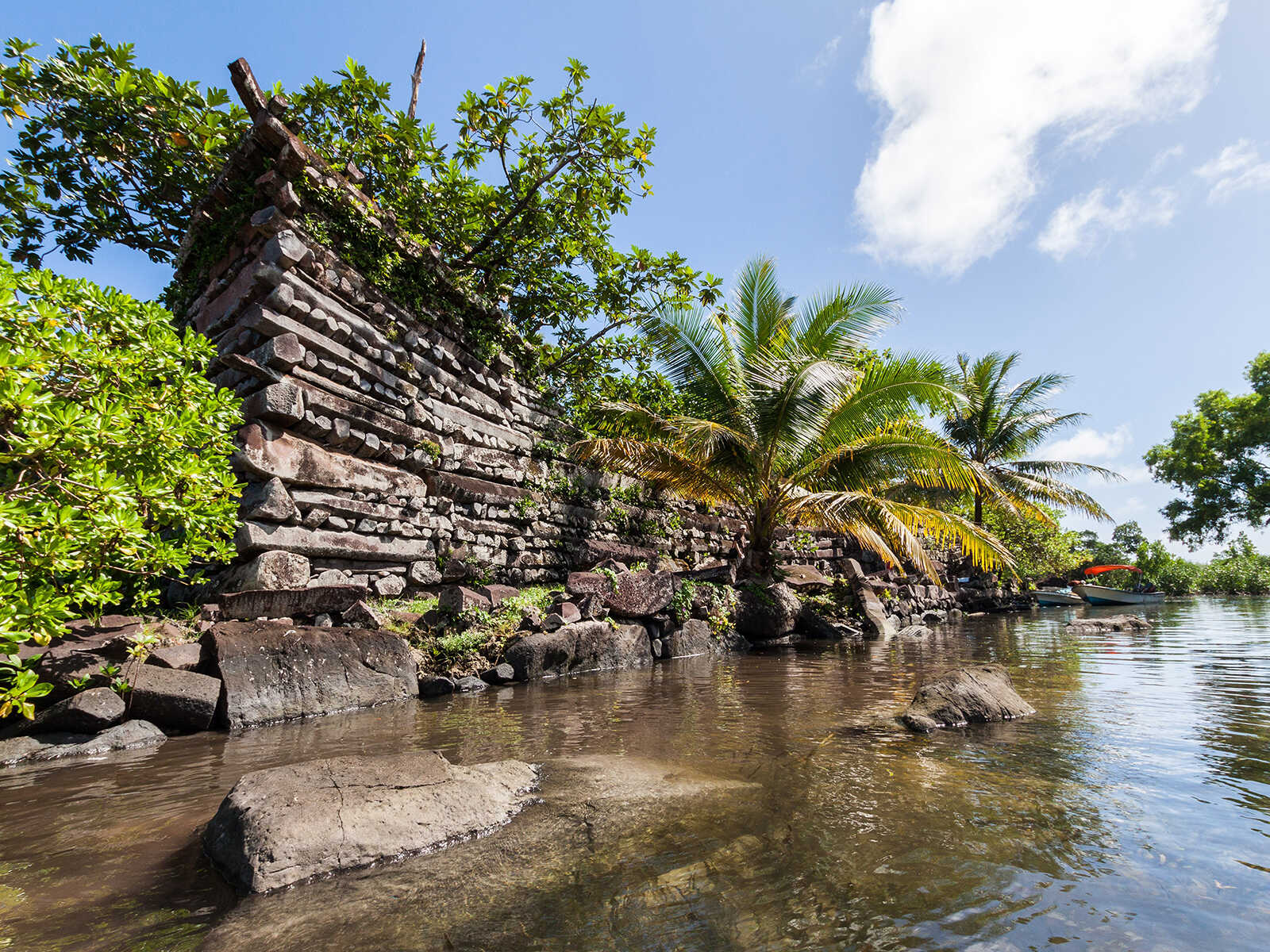
- Ancient Wonders:Explore the enigmatic ruins of Nan Madol, an ancient city built on artificial islands, or witness the unique stone money of Yap. These sites offer incredible opportunities for architectural and landscape photography with a historical twist.
- Traditional Life:Look for opportunities to document traditional crafts, dances, or daily life. These images tell a powerful story of the islands.
Best Times & Lighting for Photography
- Golden Hour (Sunrise & Sunset):As mentioned, these times offer the softest, most flattering light for landscapes.
- Blue Hour:The period just before sunrise or after sunset, when the sky turns a deep blue, is fantastic for capturing cityscapes or coastal scenes with artificial lights.
- Midday:The harsh overhead light can be challenging. Use this time for underwater photography (where light penetration is good) or for exploring shaded jungle paths.
- Weather:Micronesia has a tropical climate. The dry season (roughly December to April) generally offers more consistent sunny weather, while the rainy season (May to November) can bring dramatic skies and lush greenery, though also heavy downpours.
Practical Tips for Photographers in Micronesia
- Protect Your Gear:Humidity, salt spray, and sand are your enemies. Use dry bags, lens hoods, and keep your equipment clean.
- Respect Local Customs:Be mindful and polite. Learn a few local phrases.
- Be Patient:Wildlife photography often requires patience. Wait for the perfect moment.
- Backup Regularly:Bring a portable hard drive or cloud storage solution. You'll be taking a lot of photos!
- Consider a Guide:Local guides can lead you to hidden gems, help with cultural interactions, and ensure your safety.
- Drone Photography:Be aware of local regulations regarding drones. Some areas may require permits or be restricted.
Micronesia is more than just a destination; it's an experience waiting to be captured through your lens. With its unparalleled natural beauty, rich history, and vibrant underwater world, it offers a photographer's paradise unlike any other. Pack your bags, prepare your gear, and get ready to tell the visual story of these incredible islands.