
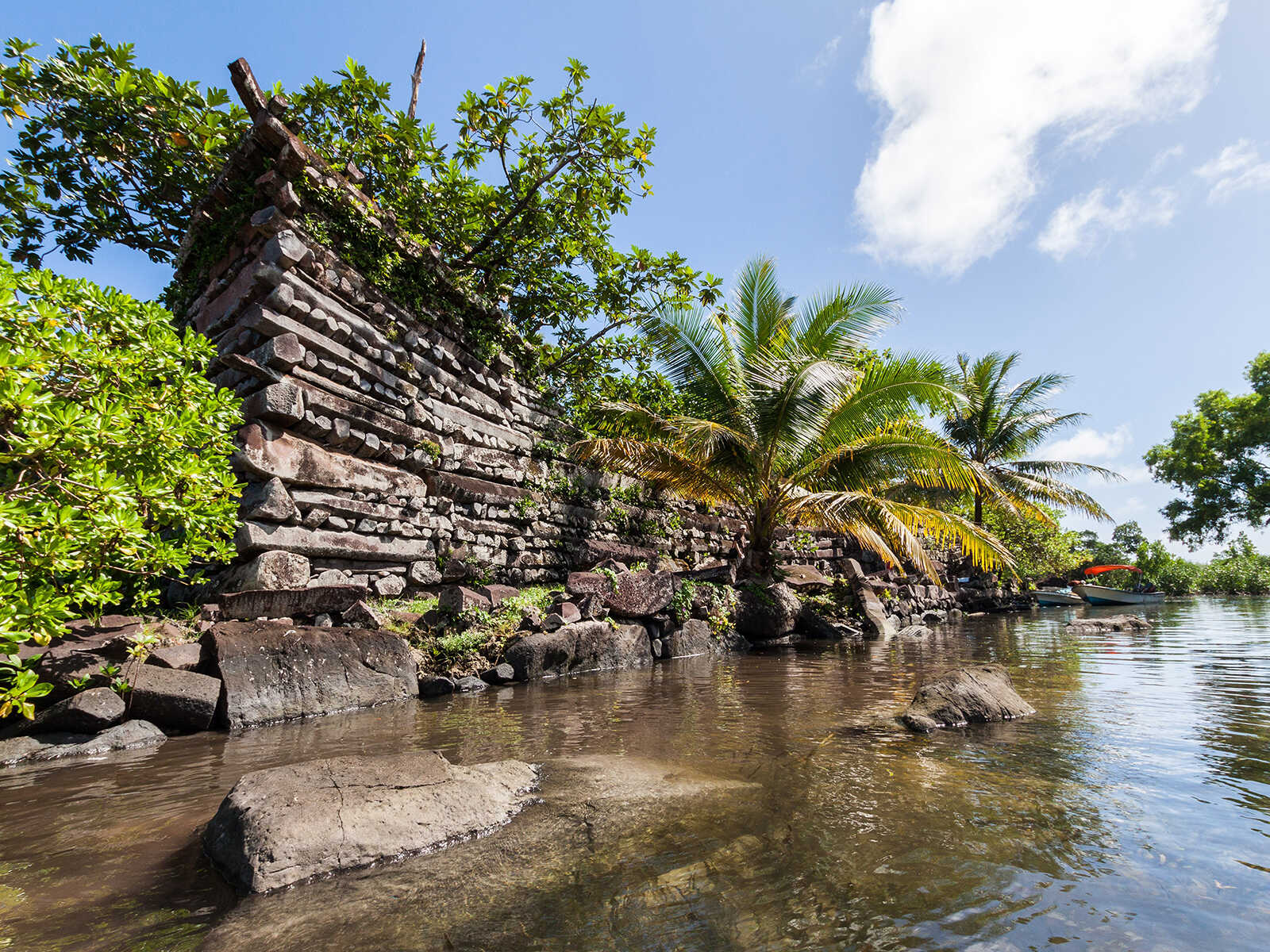
Micronesia's Marine Life: Snorkeling and Diving Encounters
Micronesia, a scattered constellation of islands in the western Pacific, is a true underwater paradise. Renowned for its pristine waters, vibrant coral reefs, and incredible biodiversity, it offers unparalleled snorkeling and diving experiences for adventurers of all levels.
Why Micronesia for Marine Life?
This remote region boasts some of the healthiest and most diverse marine ecosystems on Earth. Far from major industrial centers, Micronesia's waters offer exceptional visibility, often exceeding 30 meters (100 feet), revealing a breathtaking world beneath the surface. From colorful coral gardens teeming with reef fish to dramatic drop-offs frequented by pelagic giants, the variety of underwater landscapes is astounding. It's a destination where every dive and snorkel tells a unique story of natural wonder.
Snorkeling in Micronesia: A Kaleidoscope of Color
You don't need to be a certified diver to experience Micronesia's marine splendor. Snorkeling here is an accessible and incredibly rewarding activity, perfect for families and those new to underwater exploration.
Reef Snorkeling Hotspots
Many islands offer easy access to fringing reefs directly from their shores or a short boat ride away. These shallow ecosystems are bursting with life, making them ideal for snorkelers. You'll glide over intricate coral formations, watching schools of iridescent fish dart through the branches.
- Pristine Atolls:Explore secluded lagoons and barrier reefs where the water is calm and crystal clear. Locations like Ant Atoll near Pohnpei are celebrated for their untouched beauty and thriving coral communities, offering spectacular snorkeling opportunities amongst diverse marine life.
- Island Resorts:Many resorts in Micronesia are situated near excellent snorkeling spots, often providing equipment and guided tours.
Coral Gardens and Shallow Wonders
The shallow coral gardens are a marvel, showcasing an incredible array of hard and soft corals. Expect to encounter curious clownfish peeking from their anemone homes, parrotfish grazing on algae, and the graceful glide of reef sharks in the distance. Sea turtles are also frequent visitors to these calmer waters, often seen feeding or resting.
Fun Fact:Micronesia is part of the "Coral Triangle," the global center of marine biodiversity, boasting over 75% of the world's coral species and more than 3,000 species of reef fish.
Diving into Micronesia's Depths: An Underwater Adventure
For certified divers, Micronesia presents a world of unparalleled adventure, from historic wreck sites to thrilling encounters with large pelagic species.
World-Class Wreck Diving
Micronesia is home to some of the world's most famous wreck diving sites, offering a unique blend of history and marine biology. These submerged relics of World War II have transformed into artificial reefs, attracting an astonishing array of marine life.
- Truk Lagoon(Chuuk):Often considered the greatest wreck diving site on Earth,Truk Lagoon is the final resting place for over 60 Japanese warships and aircraft. Divers can explore cargo holds filled with tanks, trucks, and airplanes, while vibrant corals now encrust every surface. The wrecks are teeming with reef sharks, barracudas, and an explosion of colorful reef fish, creating a poignant and beautiful experience.
Pelagic Encounters and Shark Diving
Beyond the wrecks, Micronesia's open ocean environments promise thrilling encounters with larger marine species.
- Manta Ray Haven:Yap is globally renowned as the "Land of Stone Money and Manta Rays." Divers here can witness the majestic dance of resident manta rays at cleaning stations year-round. These gentle giants are a highlight for many visitors, offering truly unforgettable interactions.
- Shark Encounters:The healthy reefs and deep channels across Micronesia attract various shark species, including grey reef sharks, blacktip and whitetip reef sharks, and occasionally hammerheads. Dedicated shark dives are popular in several locations, offering controlled and respectful encounters with these apex predators.
- Other Pelagics:Keep an eye out for schooling barracudas, tuna, trevally, and even occasional whale sharks during their migratory seasons.
Unique Marine Ecosystems
Micronesia's dive sites are incredibly varied, ranging from dramatic wall dives adorned with gorgonian fans to healthy outer reefs and serene inner lagoons. Each island group offers its own distinct character and underwater charm, promising a diverse portfolio of dive experiences.
Key Marine Species You Might Encounter
The sheer diversity of marine life in Micronesia is a major draw. Here’s a glimpse of what you might spot:
Reef Dwellers
- Corals:Hard corals (staghorn, brain, table corals) and soft corals (gorgonians, sea fans) form the backbone of the ecosystem.
- Fish:From tiny gobies and blennies to vibrant parrotfish, angelfish, butterflyfish, triggerfish, and large groupers.
- Invertebrates:Nudibranchs, giant clams, octopus, cuttlefish, and various crustaceans.
- Reptiles:Green sea turtles, hawksbill turtles, and occasionally leatherback turtles.
- Sharks:Whitetip, blacktip, and grey reef sharks are common residents.
Pelagic Giants
- Manta Rays:Especially abundant around Yap, these magnificent creatures are a diver's dream.
- Sharks:Beyond reef sharks, you might encounter silvertips, oceanic whitetips, and even hammerheads in deeper waters.
- Dolphins:Pods of spinner dolphins and bottlenose dolphins are often seen playing in the open ocean.
- Whale Sharks:While less common, these gentle giants migrate through Micronesian waters, offering a rare and awe-inspiring encounter.
Best Times and Practical Tips for Your Trip
When to Go
Micronesia generally experiences two main seasons: a dry season (roughly November to April) and a wet season (May to October). The dry season typically offers calmer seas and excellent visibility, making it ideal for diving and snorkeling. However, diving is possible year-round, and the wet season can sometimes bring lush topside scenery and fewer tourists.
Essential Gear and Safety
- Snorkeling:Mask, snorkel, and fins are essential. A rash guard or wetsuit provides sun protection and warmth.
- Diving:Standard dive gear is required. Many dive operators offer rental equipment, but bringing your own mask and computer is often recommended.
- Certification:Ensure your dive certification is current.
- Local Guides:Always dive and snorkel with reputable local operators and guides who know the sites and conditions best.
- Hydration and Sun Protection:The tropical sun is intense. Drink plenty of water and use reef-safe sunscreen.
Responsible Tourism
To preserve Micronesia's incredible marine life for future generations, it's crucial to practice responsible tourism:
- Look, Don't Touch:Never touch corals or marine animals.
- No Feeding:Do not feed fish or other marine life.
- Buoyancy Control:Divers should maintain excellent buoyancy to avoid damaging the reef.
- Leave No Trace:Take all your trash with you, and avoid single-use plastics.
- Support Local:Choose tour operators and accommodations that demonstrate a commitment to environmental protection and community benefit.
Beyond the Water: Preserving Micronesia's Treasure
Micronesia’s marine ecosystems are not just a tourist attraction; they are vital to the livelihoods and cultural identity of its people. Local communities and conservation organizations are actively working to protect these precious resources. By visiting responsibly, you contribute to the sustainability of this extraordinary underwater world, ensuring that its vibrant marine life continues to thrive for years to come.