
Micronesia's Biodiversity: Exploring Unique Marine Life and Islands
Micronesia, a vast expanse of ocean dotted with thousands of islands and atolls, is a global hotspot for biodiversity. This remote Pacific paradise offers an unparalleled glimpse into thriving marine ecosystems and unique island environments, making it a dream destination for nature enthusiasts and adventurers alike.
From the vibrant coral gardens teeming with kaleidoscopic fish to the lush, volcanic interiors of its high islands, Micronesia presents a world where nature reigns supreme. Its isolation has fostered the evolution of endemic species, both above and below the waterline, creating a truly distinct natural heritage.
A Tapestry of Islands and Atolls
The geography of Micronesia is as diverse as its life forms, encompassing a spectrum from towering volcanic islands to low-lying coral atolls. This variety in landform directly influences the ecosystems found on and around each island.
High islands, like those found in Pohnpei, Kosrae, and Chuuk, are characterized by their mountainous terrain, dense rainforests, and freshwater rivers cascading into waterfalls, such as the stunning Kepirohi Waterfall. These islands harbor rich terrestrial biodiversity, including endemic bird species and unique flora adapted to the fertile volcanic soil. Iconic landmarks like Sokehs Rock on Pohnpei stand as testaments to the dramatic geological forces that shaped these lands.
Conversely, the numerous coral atolls, such as the pristine Ant Atoll, are rings of coral islets encircling a central lagoon. These atolls boast their own distinct ecosystems, with fewer terrestrial species but acting as vital havens for seabirds and, crucially, forming the foundation for incredible marine life. The clear, shallow lagoons and surrounding reef systems are nurseries for countless marine creatures.
Beneath the Waves: A Marine Wonderland
Micronesia's true ecological marvel lies beneath the surface of its crystal-clear waters. The region is part of the Coral Triangle, often called the "Amazon of the Seas," renowned for the highest diversity of marine life on Earth.
Coral Reefs: The Ocean's Cities
The foundation of Micronesia's marine biodiversity is its extensive and remarkably healthy coral reef systems. These intricate underwater cities are built by millions of tiny coral polyps, creating diverse habitats for an astounding array of species. Visitors can expect to see a stunning variety of hard and soft corals, from massive brain corals and delicate staghorn corals to vibrant sea fans and anemones. These reefs are crucial nurseries for fish, provide coastal protection, and support the entire marine food web.
Fun Fact:Micronesia is home to over 500 species of reef-building corals, contributing significantly to its status as a global biodiversity hotspot.
Fish Species: A Kaleidoscope of Color
Dive or snorkel into Micronesian waters, and you'll be greeted by an explosion of color and activity. The reefs teem with thousands of fish species, including iridescent parrotfish, elegant butterflyfish, playful clownfish nestled in anemones, and schools of shimmering fusiliers. Larger reef dwellers like groupers, snappers, and barracudas are common sights. The pelagic waters surrounding the islands are frequented by tuna, wahoo, and mahimahi, making it a prime destination for both underwater photography and sport fishing.
Gentle Giants: Sharks, Rays, and Turtles
Micronesia is a sanctuary for some of the ocean's most charismatic megafauna. Reef sharks, including blacktip, whitetip, and grey reef sharks, are frequently encountered patrolling the reef edges, indicative of a healthy ecosystem. One of the most iconic experiences is swimming with majestic manta rays, particularly around Yap, which is world-renowned for its resident population of these gentle giants. Eagle rays and stingrays are also common. Sea turtles—green, hawksbill, and loggerhead—gracefully navigate the reefs and can often be spotted nesting on secluded beaches, highlighting the region's commitment to protecting these endangered species.
Macro Marvels and Invertebrates
Beyond the larger creatures, Micronesia's reefs are a treasure trove for macro enthusiasts. Divers and snorkelers can discover a fascinating world of invertebrates: vibrant nudibranchs crawling along coral branches, camouflaged octopuses, tiny decorator crabs, and giant clams with their colorful, pulsating mantles. These smaller inhabitants play vital roles in the reef ecosystem and offer endless opportunities for discovery.
Historical Reefs: The Wreck Diving Experience
A truly unique aspect of Micronesia's marine environment is the incredible transformation of World War II wrecks into thriving artificial reefs.Truk Lagoon(Chuuk) stands out as the world's largest underwater graveyard, where hundreds of Japanese ships, planes, and vehicles sunk during Operation Hailstone in 1944 now serve as complex habitats. These wrecks are encrusted with corals and sponges, providing shelter for an astonishing array of marine life, blending history with unparalleled biodiversity.
Island Flora and Fauna: Beyond the Shoreline
While the marine environment often takes center stage, Micronesia's terrestrial ecosystems are equally rich and unique. The high islands, with their volcanic soils and abundant rainfall, support lush rainforests that are home to a remarkable array of plants and animals, many of which are endemic due to the islands' isolation.
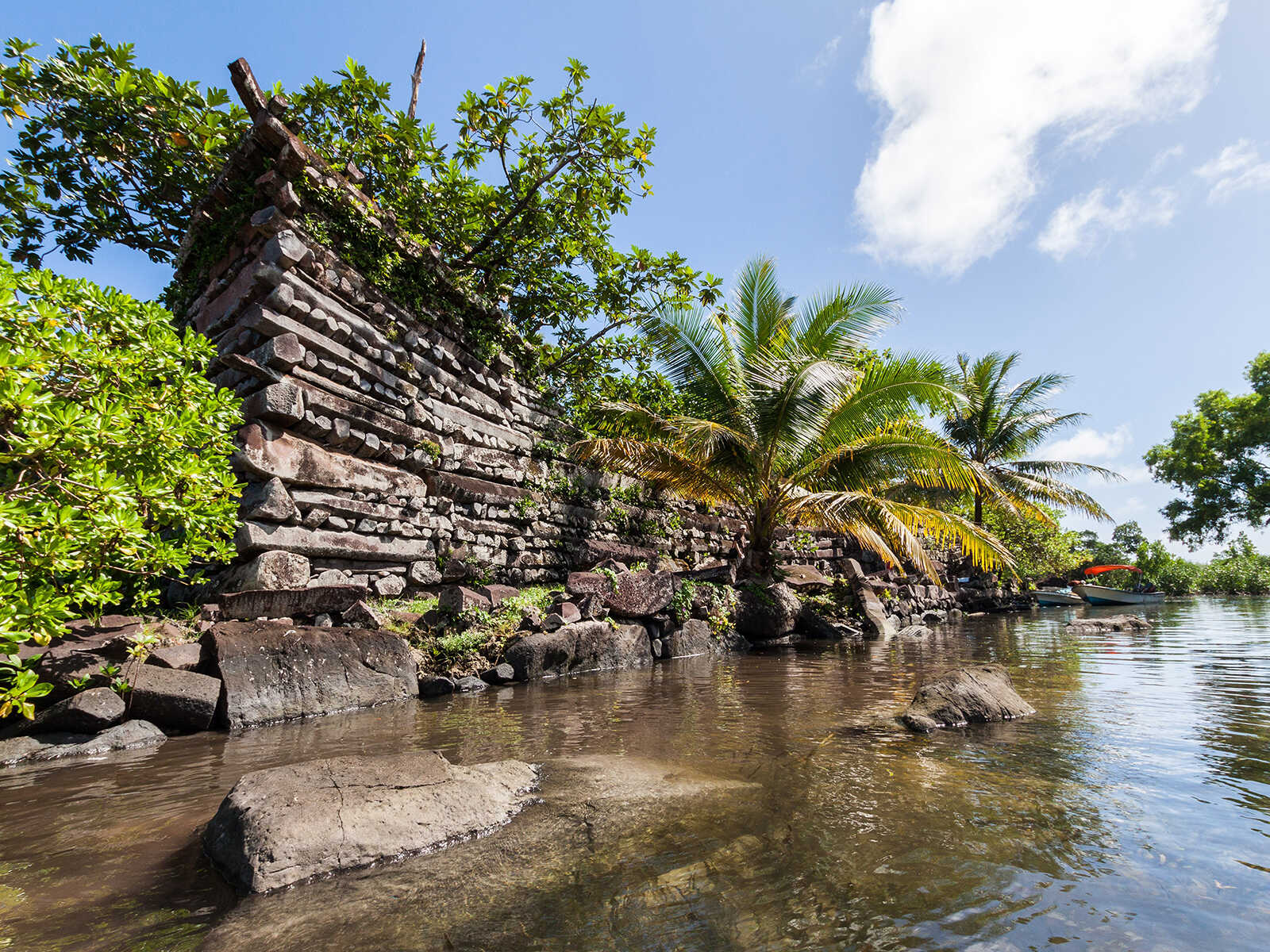
Birdwatching here is a rewarding experience, with species like the Pohnpei lorikeet, Yap monarch, and various fruit doves found nowhere else on Earth. These forests also contain unique plant species, including ancient cycads, towering tree ferns, and a variety of orchids. Exploring the interior of islands like Pohnpei, with its dense jungle leading to sites like the historic Nan Madol, offers a chance to witness this vibrant terrestrial biodiversity firsthand.
Conservation Efforts and Sustainable Tourism
Recognizing the immense value of their natural heritage, Micronesian communities and governments are increasingly committed to conservation. Marine Protected Areas (MPAs) are being established to safeguard critical habitats, and local initiatives promote sustainable fishing practices and waste management.
For visitors, embracing responsible tourism is paramount. This means minimizing your environmental footprint, respecting local customs, supporting local businesses, and adhering to guidelines for interacting with wildlife. Never touch or remove corals or marine life, and always use reef-safe sunscreen to protect these delicate ecosystems. By choosing eco-friendly operators and being mindful of your impact, you contribute directly to the preservation of Micronesia's unique biodiversity for future generations.
Planning Your Biodiversity Exploration
Exploring Micronesia's natural wonders requires some planning. The best time to visit for diving and snorkeling is generally during the dry season (roughly November to April), when waters are calmer and visibility is excellent. However, conditions can vary by island and time of year.
Whether you dream of diving among manta rays in Yap, exploring the coral-encrusted wrecks of Truk Lagoon, or hiking through the verdant jungles of Pohnpei to discover hidden waterfalls, Micronesia offers an adventure for every nature lover. Engage with local guides who possess invaluable knowledge of the ecosystems and cultural heritage, ensuring a deeper and more meaningful experience.
Micronesia is more than just a collection of beautiful islands; it is a living laboratory of evolution and a sanctuary of unparalleled biodiversity. Its unique marine life and pristine island environments offer an unforgettable journey into one of the world's last true natural frontiers.