
Micronesian Languages: Essential Phrases for Travelers
Embarking on a journey through Micronesia offers an unparalleled dive into diverse cultures and breathtaking natural beauty. While English serves as a lingua franca in many areas, learning a few local phrases is a wonderful way to connect with the island communities and enrich your travel experience.
The vast expanse of Micronesia encompasses thousands of islands, each with its own unique history, traditions, and often, language. This linguistic diversity is a testament to the region's rich heritage, making every interaction a potential cultural exchange. By familiarizing yourself with some basic greetings and polite expressions, you not only show respect for the local culture but also open doors to more authentic and memorable encounters.
The Linguistic Tapestry of Micronesia
Micronesia is not a single country but a subregion of Oceania comprising numerous independent island nations and territories, including the Federated States of Micronesia (FSM), Marshall Islands, Kiribati, Nauru, Palau, Guam, and the Commonwealth of the Northern Mariana Islands (CNMI). These islands are home to a fascinating array of Austronesian languages, distinct yet sometimes sharing common roots.
Within the Federated States of Micronesia alone, you'll encounter a multitude of languages, such as Chuukese, Pohnpeian, Kosraean, and Yapese. Each of these languages is deeply intertwined with the identity and customs of its island home. While it's impractical to learn every language, understanding this diversity is the first step towards respectful engagement.
General Tips for Language Learning & Interaction
Approaching language learning with an open mind and a friendly demeanor will go a long way. Here are some practical tips for engaging with locals:
- Start with a Smile:A warm smile is universally understood and can break down initial barriers.
- Listen Actively:Pay attention to the sounds and rhythm of the language. Even if you don't understand words, you might pick up on tone and intent.
- Don't Fear Mistakes:Locals appreciate the effort. Don't be shy; most people are happy to help you pronounce words correctly.
- Use Gestures:Non-verbal communication can supplement your spoken words.
- Be Patient:Both with yourself and with those you're trying to communicate with.
- Respect Local Customs:Understand that communication styles might differ from what you're used to.
"Learning a few words of the local language is not just about communication; it's about showing respect, building bridges, and truly experiencing the heart of a culture."
Essential Phrases Across Micronesia
Given the linguistic diversity, there isn't one universal "Micronesian language." However, you can make a significant impact by learning a few key phrases in the specific language of the island you're visiting. Below are some common greetings and expressions from a few prominent Micronesian languages. Remember that English is widely spoken in tourist areas, hotels, and among younger generations, particularly in the FSM, Palau, and the Marshall Islands.
Pohnpeian (Pohnpei)
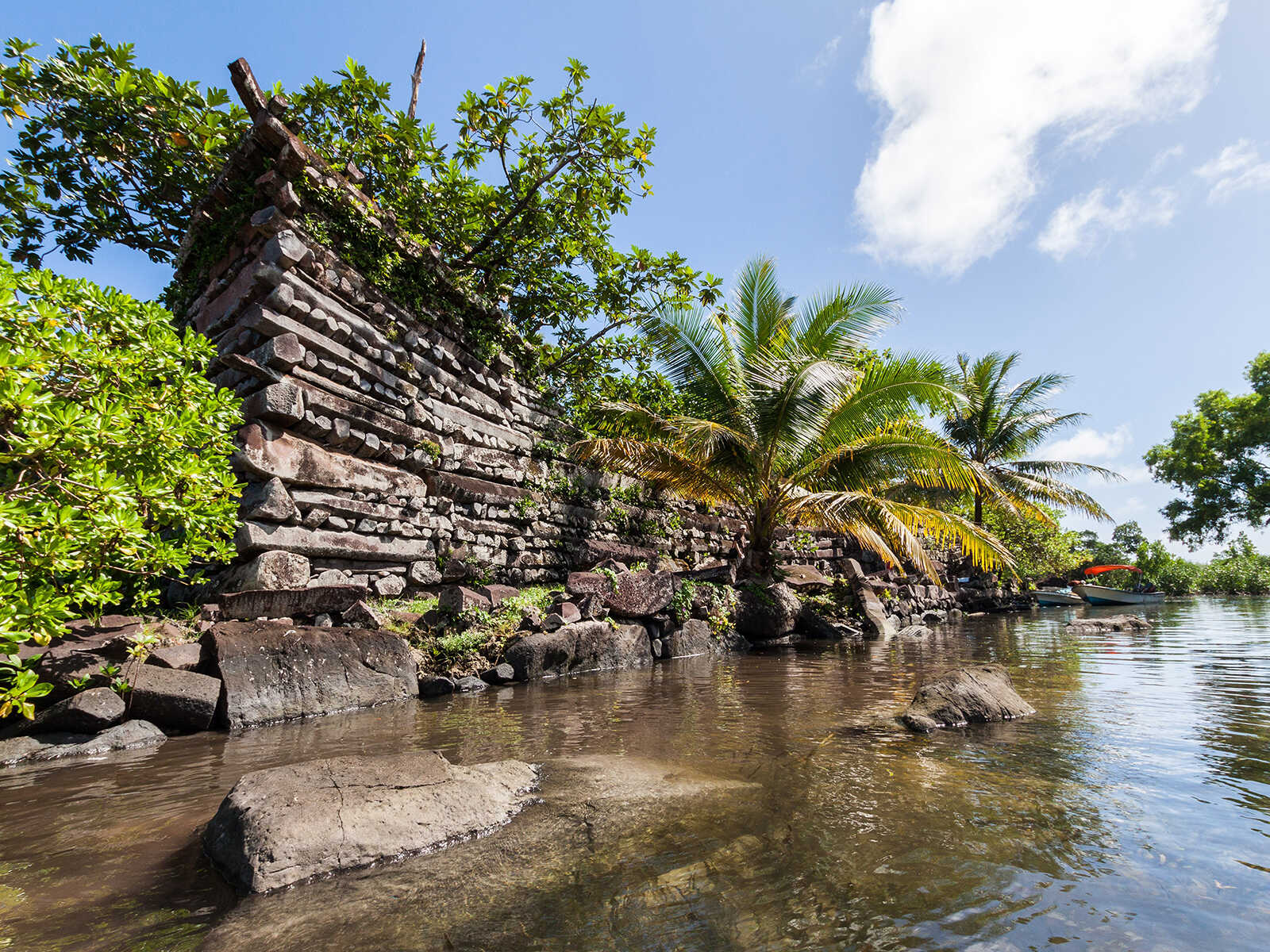
Pohnpeian is primarily spoken on Pohnpei, home to the ancient ruins of Nan Madol and natural wonders like Kepirohi Waterfall and Sokehs Rock. It's a useful language if you plan to explore this beautiful island extensively.
- Hello / Good day:Kaselehlie(pronounced: kah-seh-leh-lee)
- Thank you:Kalahngan(pronounced: kah-lahn-gahn)
- Yes:Ei(pronounced: ay)
- No:Soh(pronounced: soh)
Chuukese (Chuuk)
Chuukese is the most widely spoken language in the state of Chuuk, famous for the WWII wreck diving at Truk Lagoon.
- Hello / Good day:Ran annim(pronounced: rahn ahn-neem)
- Thank you:Kinisou(pronounced: kee-nee-sou)
- Yes:Ewer(pronounced: eh-wehr)
- No:Aapw(pronounced: ahp)
Yapese (Yap)
The island of Yap is known for its strong traditional culture, including stone money and traditional dances. Learning a few Yapese phrases will be especially appreciated here.
- Hello:Mogethin(pronounced: moh-geh-thin)
- Thank you:Gumag(pronounced: goo-mahg)
- Yes:Ea(pronounced: eh-ah)
- No:Dea(pronounced: deh-ah)
Kosraean (Kosrae)
Spoken on the lush island of Kosrae, often called the "Garden of Micronesia."
- Hello:Lute(pronounced: loo-teh)
- Thank you:Kulo(pronounced: koo-loh)
Other Useful Phrases (General Concepts)
While specific words vary, the concepts behind these phrases are universally helpful:
- Excuse me / Sorry:Often, a polite "Excuse me" in English with a respectful gesture is understood. In many cultures, a direct apology might be less common than avoiding offense.
- Please:Similarly, using "Please" in English with a gentle tone usually suffices.
- Where is...?(e.g., the restroom, the market): Try to point or use hand gestures if you can't find the specific word.
- I don't understand:Teisene(Pohnpeian),Uwa apwangapwang(Chuukese).
- My name is...:Ngaiah eda...(Pohnpeian).
Cultural Nuances and Respectful Interaction
Beyond words, understanding cultural etiquette is crucial for a positive experience:
- Modesty in Dress:Especially in more traditional areas or when visiting villages, dressing modestly (shoulders and knees covered) is highly appreciated.
- Asking Permission:Always ask permission before taking photos of people, especially children, or entering private property.
- Greetings are Important:Acknowledge people with a greeting when passing by, even if it's just a nod and a smile.
- Gift Giving:While not expected, a small, thoughtful gift can be a kind gesture of appreciation in some contexts.
- "Island Time":Embrace the relaxed pace of life. Punctuality might be viewed differently than in Western cultures.
Places like Yap, with its deeply preserved cultural practices, highlight the importance of observing and respecting local traditions. Even exploring the natural beauty of Ant Atoll or the historical significance of Nan Madol benefits from an understanding of the local reverence for these sites.
Conclusion
Micronesia offers an incredible journey into a world of diverse cultures, stunning landscapes, and warm-hearted people. While English will serve you well in many interactions, making an effort to speak a few local phrases is a powerful way to show respect, foster genuine connections, and unlock a deeper understanding of the islands you visit. Pack your curiosity, a smile, and a willingness to learn, and prepare for an unforgettable adventure!