
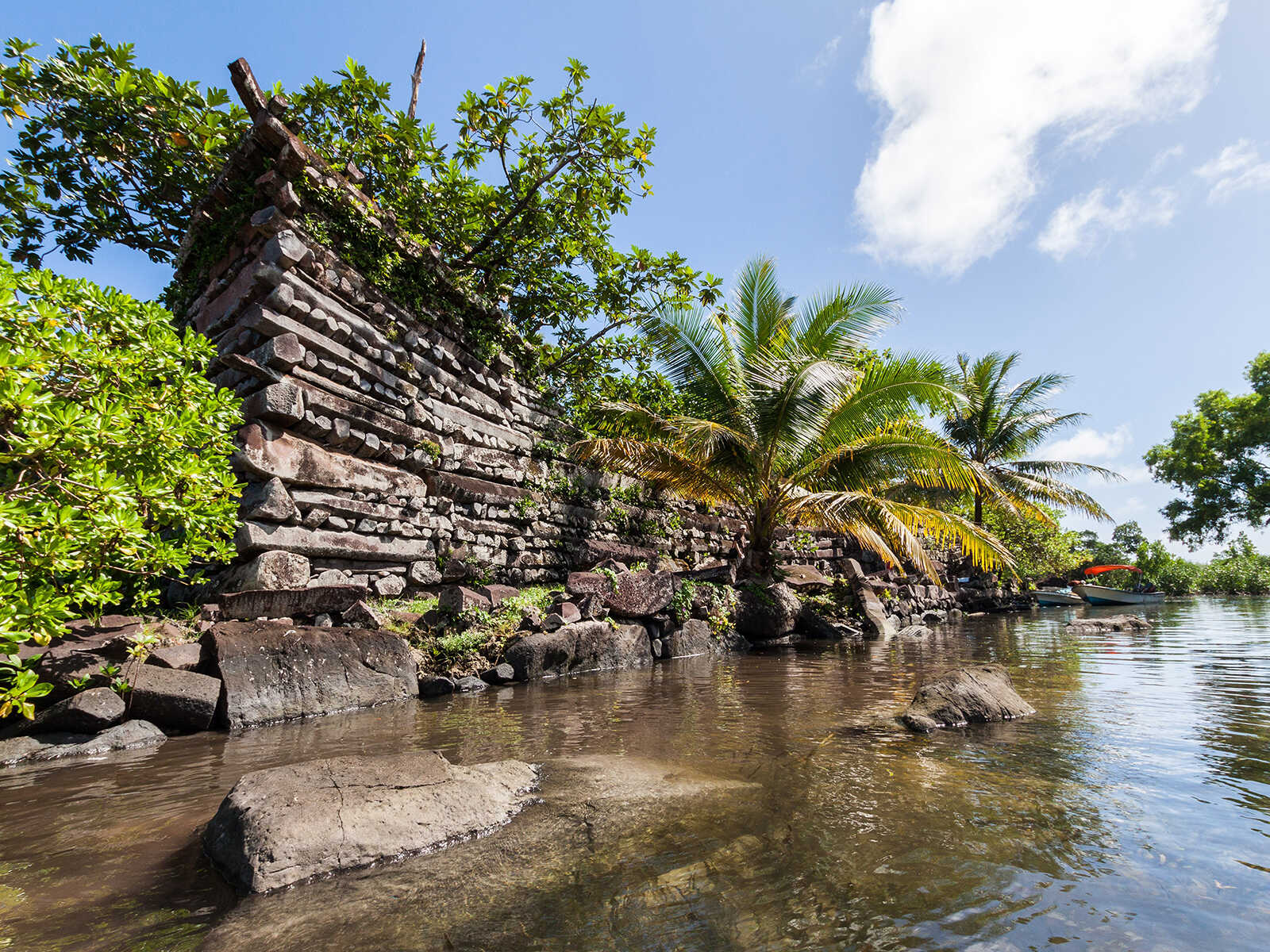
Micronesian Cuisine: Must-Try Dishes & Local Flavors
Micronesia, a vast expanse of islands scattered across the Pacific, offers a culinary journey as rich and diverse as its vibrant cultures. Its cuisine is a delightful reflection of island life, characterized by an abundance of fresh seafood, nutrient-rich root crops, and sweet tropical fruits, all prepared with traditional wisdom.
The remote island nations and territories of Micronesia – including the Federated States of Micronesia (FSM), Palau, Marshall Islands, Kiribati, Nauru, and Guam and the Northern Mariana Islands – share a common thread in their gastronomy: an intimate connection to the ocean and fertile volcanic soil. This deep relationship ensures that ingredients are almost always incredibly fresh and often locally sourced. Food here isn't just sustenance; it's a celebration of community, tradition, and the bountiful resources of the Pacific.
The Pillars of Micronesian Flavor
Micronesian cooking relies on a consistent set of staple ingredients, which form the foundation of most meals. Understanding these core components is key to appreciating the local flavors.
From the Ocean's Larder: Seafood Galore
Given their island geography, it's no surprise that seafood dominates the Micronesian diet. Tuna, mahi-mahi, snapper, wahoo, and parrotfish are common catches, often prepared simply to highlight their natural flavors. Beyond fin fish, crabs, lobsters, clams, octopus, and various shellfish are also integral.
- Fresh Fish Sashimi/Poke:Raw fish, often seasoned lightly with soy sauce, lime, or chili, is a ubiquitous and refreshing dish.
- Grilled Fish:Whole fish or fillets, marinated with local herbs, coconut milk, or citrus, then grilled over an open flame or charcoal.
- Coconut Fish Stew:Fish simmered in rich coconut milk with vegetables and spices, a comforting and flavorful staple.
Gifts from the Land: Root Crops & Starchy Staples
Complementing the seafood are a variety of starchy root crops and fruits that provide essential carbohydrates and sustenance. These are often boiled, baked, fried, or mashed.
- Breadfruit (Mahi/Ulu):A versatile fruit that, when cooked, has a texture similar to potato. It can be roasted whole in an earth oven, fried into chips, or mashed.
- Taro (Kalo/Pula):A purple-tinged root vegetable, taro is a dietary cornerstone. It's often boiled, mashed, or used in stews. In places like Yap, taro patches are historically vital to food security and cultural identity.
- Yam (Uhi) & Cassava (Tapioka):Other common root crops, similarly prepared by boiling or baking. Cassava is also used to make flour for various baked goods.
- Banana (Chang):Not just for dessert, cooking bananas are a staple, often boiled or fried as a savory side dish.
Tropical Bounty: Fruits & Coconuts
The islands burst with an array of tropical fruits that are enjoyed fresh, in desserts, or as flavorings for savory dishes. The coconut, in particular, is an indispensable resource.
- Coconut:Every part of the coconut is utilized. The young jelly-like flesh and water are refreshing drinks and snacks. The mature meat is grated to produce rich coconut milk, a base for many curries, stews, and sauces. Coconut oil is used for cooking and traditional medicinal purposes.
- Papaya, Mango, Pineapple:These sweet fruits are enjoyed fresh as snacks or desserts, often picked straight from the tree.
Must-Try Micronesian Dishes & Local Delicacies
While specific dish names vary across the different island states, certain culinary themes and preparations are universal and highly recommended for visitors.
Pohnpei's Culinary Highlights
In Pohnpei, the largest island in the Federated States of Micronesia, food is often associated with communal gatherings and traditional practices. One distinct experience is partaking inSakau, a traditional ceremonial drink made from the roots of the kava plant. While not food, it's a deeply cultural experience often accompanied by local snacks. Visitors can experience the intricate preparation and respectful consumption of Sakau, often in serene settings near sites like Sokehs Rock.
"In Micronesia, food isn't just about taste; it's about connecting with the land, the sea, and the community. Every meal tells a story of tradition and survival."
Earth Oven Delights: The Umw/Uhmw
A traditional method of cooking found across the Pacific, theUmw(orUhmwin some dialects) is an earth oven used for special feasts. Meats (often pork or chicken), fish, breadfruit, and root crops are wrapped in banana or taro leaves, placed on hot rocks in a pit, covered, and slow-cooked for hours. The result is incredibly tender, smoky, and flavorful food, a true highlight of Micronesian hospitality. Experiencing anUmwfeast is a profound cultural immersion.
Fish in Coconut Milk (Various Names)
A staple throughout Micronesia, this dish features fresh fish, often yellowfin tuna or snapper, gently poached or simmered in creamy coconut milk with a hint of ginger, garlic, onion, and sometimes chili. It’s simple, elegant, and perfectly showcases the freshness of the ingredients. Variations might include vegetables like spinach or local greens.
Breadfruit Preparations
Beyond theUmw, breadfruit is prepared in countless ways. Tryfried breadfruit chips, a crispy and savory snack. Baked breadfruit with coconut milk is another popular preparation, offering a soft, slightly sweet, and very satisfying dish.
Taro Leaf Soup/Stew
Tender taro leaves (similar to spinach) are cooked down in coconut milk, often with pieces of fish or pork. This hearty and nutritious stew is a comforting staple, reflecting the ingenious use of local produce.
Regional Flavors: A Taste of Diversity
While common threads exist, each Micronesian island group boasts its own unique culinary twists and favored dishes.
Yap's Traditional Fare
On Yap, the emphasis is heavily on traditional, organic farming and fishing. Taro, yam, and breadfruit are staples, often prepared simply to preserve their natural flavors. Fish is abundant, and traditional methods of cooking, like stone ovens or direct grilling, are still widely practiced. Visitors to Yap will find a cuisine deeply rooted in ancient practices and sustainability.
Chuukese Seafood & Staples
In Chuuk, home to the famous Truk Lagoon, seafood is naturally paramount. Fried fish, fish soups, and dishes incorporating breadfruit and taro are common. The fertile volcanic soil also supports a variety of fruits and vegetables that find their way into daily meals.
Dining Etiquette and Experiences
Dining in Micronesia is often a communal and relaxed affair. While formal restaurants exist in larger towns, the most authentic culinary experiences are found at local markets, small family-run eateries, or by being invited to a local home or village feast.
- Communal Eating:Meals, especially feasts, are often served communally, with dishes laid out for everyone to share.
- Hospitality:Micronesians are known for their warm hospitality. Accepting food offered by locals is a sign of respect and appreciation.
- Local Markets:Visiting a local market is an excellent way to see the abundance of fresh produce and seafood available. It's also a great place to sample local snacks.
Tips for the Food Traveler
For those eager to explore Micronesian cuisine, here are a few practical tips:
- Be Adventurous:Don't be afraid to try new things, especially dishes that look unfamiliar. Many local delicacies are surprisingly delicious.
- Ask Locals:The best recommendations come from the people who live there. Ask your guesthouse host or tour guide for their favorite local spots or dishes.
- Embrace Freshness:Expect simple preparations that highlight the natural freshness of ingredients. Elaborate sauces or complex cooking techniques are less common.
- Stay Hydrated:In the tropical climate, always have water on hand, especially when trying new foods.
- Respect Customs:If invited to a traditional feast, observe local customs, such as sitting arrangements or how food is served.
Exploring Micronesian cuisine is more than just tasting new dishes; it's a journey into the heart of island culture and a testament to the ingenuity and resourcefulness of its people. From the shimmering bounty of the Pacific to the rich harvests of the land, every meal offers a unique insight into the Micronesian way of life. Whether you're savoring a fresh fish dish with coconut milk or participating in a traditional earth oven feast, the flavors of Micronesia promise an unforgettable experience.