
Micronesia SIM Card Guide: Stay Connected on Remote Islands
Venturing into the pristine beauty of Micronesia offers an unparalleled escape, but staying connected in this remote paradise can be a challenge. A local SIM card is your key to navigating these stunning islands, sharing your adventures, and ensuring peace of mind.
Why a Local SIM Card is Essential for Micronesia Travel
While the allure of disconnecting is strong, reliable communication is crucial for practical reasons and emergencies. Relying on international roaming in Micronesia can quickly become prohibitively expensive, with patchy coverage at best. A local SIM card offers a cost-effective and dependable solution, providing access to data for maps, local research, booking accommodations, and keeping in touch with loved ones.
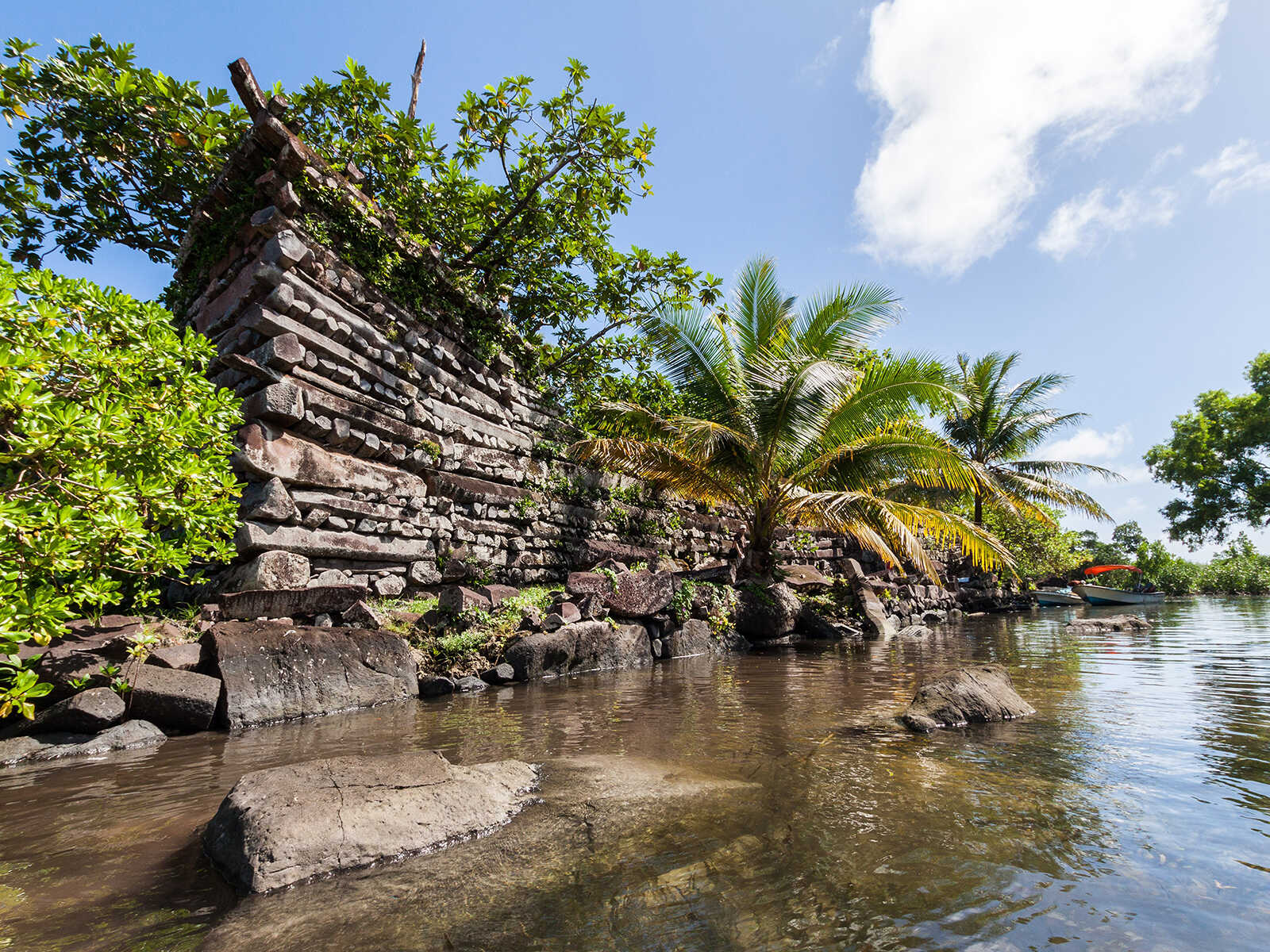
Whether you're exploring the ancient ruins of Nan Madol, diving the wrecks of Truk Lagoon, or experiencing the unique culture of Yap, having an active phone number and data plan can greatly enhance your travel experience and safety.
Understanding Micronesia's Telecommunication Landscape
The Federated States of Micronesia (FSM), which includes Pohnpei, Chuuk, Yap, and Kosrae, primarily relies on one main provider: FSM Telecommunications Corporation (FSMTC). Other nations like Palau and the Marshall Islands have their own national providers. This guide focuses primarily on the FSM context, as it represents a significant portion of Micronesia for travelers.
Main Providers and Coverage
FSMTC is the dominant telecommunications provider across the FSM. They offer mobile services (voice and data) and fixed-line internet. In general, you'll find the best coverage in the main population centers and around the capital towns of each state, such as Kolonia in Pohnpei, Weno in Chuuk, and Colonia in Yap.
Coverage Challenges
While connectivity is improving, Micronesia is a vast nation of scattered islands, and comprehensive coverage remains a challenge. Expect strong signals in urban areas, but as you venture to more remote villages, outer islands, or natural landmarks like Sokehs Rock or Kepirohi Waterfall, signal strength can diminish significantly or disappear entirely. Destinations like Ant Atoll, for instance, are unlikely to have any mobile signal, making them truly off-grid experiences.
Traveler's Tip:Always manage your expectations regarding internet speeds and coverage. Micronesia offers an opportunity to disconnect, but a local SIM ensures you can reconnect when necessary.
Where to Buy Your Micronesia SIM Card
Purchasing a SIM card in Micronesia is a straightforward process, typically available at several convenient locations upon your arrival.
At the Airport
Upon arrival at major international airports such as Pohnpei International Airport (PNI), Chuuk International Airport (TKK), or Yap International Airport (YAP), you may find small kiosks or vendor desks selling SIM cards. This is often the most convenient option for immediate connectivity.
Official Provider Stores
The most reliable place to purchase a SIM card is at an official FSMTC customer service center. These are usually located in the main towns of each state (e.g., Kolonia, Weno, Colonia). Here, staff can assist you with registration, package selection, and activation. They also provide the best support for any issues you might encounter.
Local Shops and Convenience Stores
In some larger towns, smaller convenience stores or electronics shops might also stock SIM cards and top-up vouchers. While convenient, staff at these locations may not be as equipped to help with complex activation or troubleshooting.
eSIMs: A Growing but Limited Option
While eSIM technology is gaining traction globally, its availability for Micronesian providers is still limited. It's advisable to check directly with FSMTC or your chosen provider's website before your trip if you prefer an eSIM. For now, physical SIM cards remain the most common and reliable option.
Activating Your SIM and Topping Up
Getting your SIM card up and running is generally a simple process.
Activation Process
When you purchase a SIM card from an official store, the staff will typically handle the activation for you. This often involves inserting the SIM into your phone, registering your details, and activating your chosen data plan. Ensure your phone is unlocked before you arrive.
Required Documents
You will need yourpassportfor identification purposes when purchasing and registering a SIM card. In some cases, you might also be asked for your visa or proof of entry. Always have these documents readily available.
Topping Up (Recharge)
Once your initial data or credit runs out, you'll need to top up. This can usually be done through:
- Scratch Cards:Available at official stores, convenience stores, and some kiosks. These cards have a unique code you dial to add credit.
- Official Stores:You can directly purchase credit or new data packages at any FSMTC customer service center.
- Online Portals:Some providers may offer online top-up options, but this requires an existing internet connection and might be less reliable than physical methods.
Data Packages and Internet Speeds
Local providers offer various data packages tailored for different usage needs. These can range from small daily bundles to larger monthly plans, often including a combination of data, local calls, and SMS.
Package Options
Always inquire about the latest data packages and promotions available. Plans vary in data allocation (e.g., MBs or GBs), validity period, and cost. If you plan to stream videos or do heavy browsing, opt for a larger data package. For basic communication and navigation, a smaller one might suffice.
Speed Expectations
Internet speeds in Micronesia are generally not comparable to highly developed nations. While 3G and 4G (LTE) services are available in main urban areas, speeds can fluctuate depending on network congestion and your exact location. Outside of main towns, expect slower speeds, potentially dropping to 2G or even no service in very remote areas.
Staying Connected in Remote Areas and Outer Islands
If your itinerary includes exploring Micronesia's truly remote corners, such as visiting an outer atoll by boat, be prepared for limited or no mobile signal.
Limited Coverage
Many of Micronesia's outer islands and more secluded natural attractions simply do not have mobile network coverage. This includes many of the smaller islands surrounding the main state islands.
Wi-Fi Hotspots
In areas without mobile signal, your best bet for internet access will be Wi-Fi hotspots, often available at hotels, guesthouses, restaurants, and sometimes at government offices or community centers. These are typically paid services, and speeds can vary.
Practical Tips for Using Your Micronesia SIM
- Unlock Your Phone:Ensure your phone is unlocked and compatible with international SIM cards before you depart.
- Download Offline Maps:Before venturing to remote areas or sites like Nan Madol where signal might be absent, download offline maps and relevant information.
- Power Bank:Keep a portable power bank charged. Searching for signal in remote areas can drain your battery quickly.
- Emergency Numbers:Save important local emergency numbers and contact details for your accommodation or local guides.
- Check Data Usage:Regularly monitor your data usage to avoid running out unexpectedly, especially if you're frequently posting updates from Yap or Truk Lagoon.
- Time Zones:Be mindful of time zones when communicating with home to avoid inconvenient call times.
Alternatives to a Local SIM Card
While a local SIM is highly recommended, there are alternatives, though they come with their own set of limitations:
International Roaming
Your home provider might offer international roaming packages. However, these are almost always significantly more expensive than a local SIM and often provide less reliable service in Micronesia.
Portable Wi-Fi Hotspots
Renting a portable Wi-Fi hotspot (MiFi device) is an option in some destinations, but their availability in Micronesia is limited. If you find one, ensure it uses a local provider for the best coverage.
Satellite Phones
For truly off-grid adventures, especially if you're sailing or exploring extremely remote atolls, a satellite phone is the only guaranteed communication method. This is typically reserved for specialized expeditions due to cost and bulk.
Conclusion
A local Micronesia SIM card is an indispensable tool for any traveler hoping to stay connected in this beautiful, remote region. While it's wise to embrace the digital detox that Micronesia naturally offers, having a reliable way to communicate ensures safety, convenience, and the ability to share those breathtaking moments when you choose. Plan ahead, purchase your SIM, and enjoy the unparalleled wonders of Micronesia with confidence.