
Micronesia Safety Guide: Tips for a Secure Island Adventure
Micronesia, a captivating collection of islands in the western Pacific, offers an unparalleled blend of natural beauty, rich history, and vibrant culture. While generally a safe and welcoming destination, like any international travel, a secure and enjoyable trip hinges on preparedness and awareness. This guide provides essential safety tips to ensure your island adventure is as smooth and worry-free as the gentle Pacific breeze.
Understanding Micronesia: A Low-Risk Destination
The Federated States of Micronesia (FSM) consists of four main island states – Chuuk, Kosrae, Pohnpei, and Yap – each offering unique experiences. Overall, Micronesia boasts a low crime rate, and violent crime against tourists is exceedingly rare. Most incidents, if any, are petty theft, making it crucial to practice common-sense precautions you would anywhere else in the world.
Respecting Local Culture and Customs
One of the best ways to ensure a safe and respectful visit is to understand and honor local traditions. Micronesian culture is deeply rooted in community, respect for elders, and traditional customs.
- Dress Modestly:Especially when visiting villages or religious sites, it's respectful to dress conservatively. For women, covering shoulders and knees is advisable.
- Ask Permission:Before taking photos of people or entering private land (including some beaches or sacred sites), always ask for permission.
- "Fakafetai" or "Kalahngan":Learn a few basic phrases in the local language, such as "thank you" (e.g.,fakafetaiin Yapese,kalahnganin Pohnpeian). This shows respect and can open doors to warmer interactions.
- Community Etiquette:Avoid public displays of affection, and be mindful of noise levels, especially in residential areas.
Cultural Tip:In some Micronesian cultures, pointing with a finger is considered rude. Instead, indicate direction with a slight nod of the head or by pointing with your chin.
Health and Wellness on the Islands
Prioritizing your health is paramount for an enjoyable trip. While medical facilities are available, they can be limited, especially on outer islands.
Before You Go: Vaccinations and Insurance
- Consult Your Doctor:Discuss recommended vaccinations and any necessary preventative medications (e.g., anti-malarials, though malaria is generally not a high risk in FSM, dengue fever is present).
- Travel Insurance:Comprehensive travel insurance is highly recommended. Ensure it covers medical emergencies, evacuations, and any adventure activities you plan, such as diving in Truk Lagoon.
- Prescription Medications:Bring an adequate supply of any prescription medications in their original packaging, along with a doctor's note.
Staying Healthy During Your Trip
- Sun Protection:The equatorial sun is intense. Use high-SPF sunscreen, wear a wide-brimmed hat, sunglasses, and lightweight long-sleeved clothing. Seek shade during peak hours (10 AM - 4 PM).
- Hydration:Drink plenty of bottled or purified water to prevent dehydration.
- Mosquitoes:Dengue fever and Zika virus are present. Use insect repellent containing DEET or picaridin, wear long sleeves and pants, especially at dawn and dusk, and sleep under mosquito nets if available and needed.
- Food and Water Safety:Stick to reputable restaurants and avoid uncooked food from street vendors. Drink only bottled or boiled water, or use a reliable water filter. Be cautious with ice.
- Marine Life:While generally safe, be aware of marine hazards. Avoid touching coral (which can cause cuts and stings), cone shells, jellyfish, or any unfamiliar sea creatures. Wear reef shoes when wading to protect against stonefish or sea urchins.
Navigating Micronesia: Safety in Exploration
Water Activities: Diving, Snorkeling, and Swimming
Micronesia is a diver's paradise, home to the world-renowned wreck diving site of Truk Lagoon and pristine reefs around Ant Atoll. Enjoy these activities safely:
- Choose Reputable Operators:Always dive, snorkel, or boat with certified and experienced tour operators.
- Check Equipment:Ensure all rental equipment is in good condition.
- Know Your Limits:Do not attempt dives or swims beyond your skill level. Never dive alone.
- Currents:Be aware of strong ocean currents, especially around channels and reef passages. Always check with locals or your guide about current conditions.
- Buddy System:Always use the buddy system for diving and snorkeling.
Land Exploration: Hiking and Sightseeing
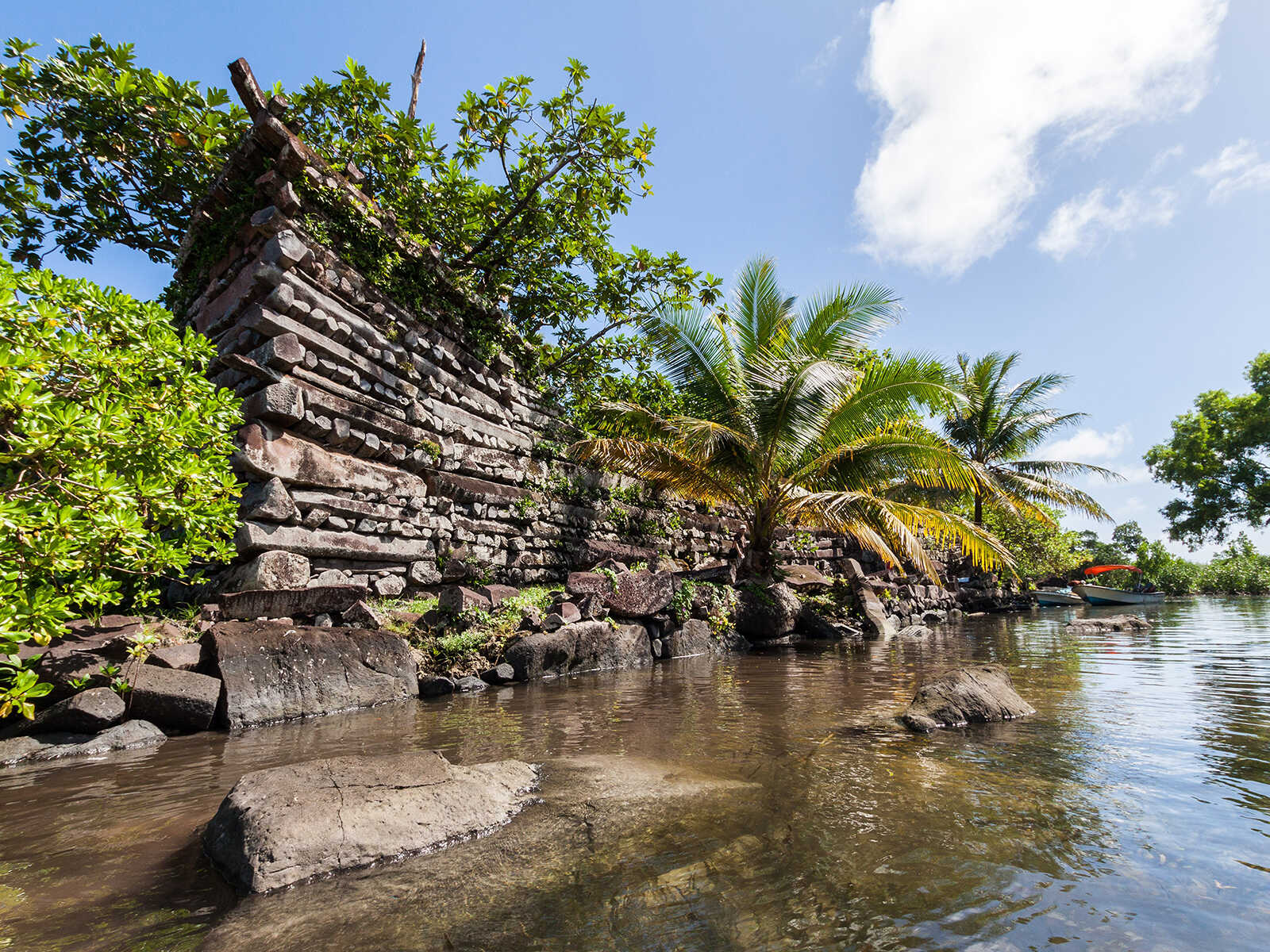
From exploring ancient ruins like Nan Madol to hiking to Kepirohi Waterfall or scaling Sokehs Rock, land adventures are abundant.
- Hire Local Guides:For treks into dense jungle, remote areas, or historically significant sites, a local guide is invaluable for navigation, safety, and cultural insights. This is especially true in places like Yap, where traditional land ownership is paramount.
- Stay on Marked Paths:Avoid straying from established trails to prevent getting lost or disturbing sensitive ecosystems.
- Appropriate Gear:Wear sturdy hiking shoes, bring plenty of water, and protect yourself from sun and insects.
- Inform Someone:Let your accommodation or a trusted person know your itinerary, especially if you're venturing into remote areas.
- Transportation:Taxis are generally safe. Agree on a fare before starting your journey. When renting a car, ensure it's in good repair and be aware that road conditions can vary significantly, especially outside of main towns.
Fun Fact:The stone money (Rai) of Yap is one of the world's most unique forms of currency, with some pieces weighing several tons. While not for everyday transactions, their historical and cultural significance is immense.
Environmental Awareness and Responsible Tourism
Micronesia's natural beauty is fragile. Being a responsible traveler helps preserve it for future generations and ensures your interactions are positive.
- Leave No Trace:Pack out everything you pack in. Do not litter.
- Protect Coral Reefs:Avoid touching or standing on coral. Use reef-safe sunscreen.
- Wildlife Interaction:Observe marine and terrestrial wildlife from a respectful distance. Never feed wild animals.
- Conserve Resources:Be mindful of your water and electricity consumption, especially on smaller islands where resources can be limited.
Emergency Preparedness
While unlikely, knowing what to do in an emergency is crucial.
- Emergency Numbers:Familiarize yourself with local emergency numbers for police, fire, and medical services. These can vary by state within FSM. Your hotel reception will be able to provide the specific numbers.
- Embassy/Consulate:Know the location and contact information for your country's embassy or consulate, or the nearest one that covers Micronesia.
- Local Authorities:In case of any significant issue, contact local police immediately.
Your Pre-Travel Micronesia Safety Checklist
- Research your specific island destinations (Chuuk, Kosrae, Pohnpei,Yap) for local nuances.
- Obtain comprehensive travel insurance.
- Consult your doctor for health advice and vaccinations.
- Pack appropriately for the tropical climate and cultural customs.
- Copy important documents (passport, visa, insurance policy) and store them separately.
- Inform family or friends of your itinerary.
- Learn basic local phrases.
- Budget for potential unexpected costs.
Micronesia offers an extraordinary journey into a world of pristine islands, ancient mysteries, and warm hospitality. By following these safety guidelines and embracing responsible travel practices, you can ensure your adventure is not only secure but also profoundly enriching, creating memories that will last a lifetime.