
Micronesia Culture and Customs: Respectful Travel Guide
Embark on an unforgettable journey to Micronesia, a captivating region of diverse island nations steeped in ancient traditions and unparalleled natural beauty. To truly connect with this extraordinary destination, understanding and respecting local culture and customs is paramount for a rewarding and harmonious travel experience.
Micronesia, encompassing numerous island groups in the Western Pacific, is a tapestry of unique cultures, languages, and histories. While each island nation and even individual island within the Federated States of Micronesia (FSM) possesses distinct traditions, core values like community, respect for elders, and hospitality are universally cherished. This guide provides essential insights to help you navigate Micronesia with sensitivity and appreciation.
Key Cultural Values to Embrace
The foundation of Micronesian society rests on several deeply ingrained values that influence daily life and interactions. Recognizing these will greatly enhance your understanding and acceptance within local communities.
Respect for Elders and Authority
Elders hold a revered status in Micronesian societies, seen as custodians of knowledge, tradition, and wisdom. Deference to elders and community leaders is expected. This can be shown through simple gestures like speaking softly in their presence, allowing them to speak first, or offering assistance. Similarly, chiefs and traditional leaders command immense respect, and their authority is often spiritual as well as social.
The Importance of Community and Family
Family, often extended to include distant relatives and even close friends, is the cornerstone of Micronesian life. Collective well-being often takes precedence over individual desires. You'll observe strong communal bonds, shared responsibilities, and mutual support. Visitors are often welcomed into this extended family, a testament to the islands' warm hospitality.
Hospitality and Sharing
Micronesians are renowned for their genuine warmth and generosity. Guests are often treated with immense kindness, offered food, shelter, and assistance without expectation of immediate reciprocation. Accepting these gestures gracefully is a sign of respect. Be prepared for invitations to join meals or gatherings, which are wonderful opportunities to experience authentic island life.
Connection to Land and Sea
For centuries, islanders have lived in intimate harmony with their environment. The land (fanua) and sea (tai) are not merely resources but living entities, integral to identity, spirituality, and survival. This deep reverence translates into a strong conservation ethic, which visitors are encouraged to uphold.
Practical Etiquette Guidelines for Visitors
Adhering to these practical tips will ensure your interactions are respectful and positive, leaving a favorable impression on your hosts.
Dress Modestly
Modesty in dress is highly valued, especially outside of resort areas and in villages or religious sites. For women, covering shoulders and knees is advisable. Sarongs (known locally aslavalavasorsulus) are excellent for adapting quickly to local norms. Men should also opt for conservative attire, such as t-shirts and shorts or light trousers. Swimwear is generally only appropriate at beaches, pools, or while engaging in water activities.
Greetings and Interactions
A friendly "hello" and a smile go a long way. Handshakes are common, and a slight bow may be used as a sign of respect, particularly towards elders. In some cultures, a formal greeting may involve a more elaborate exchange. Always use polite language and maintain a calm demeanor.
Tip:Learning a few basic phrases in the local language of the island you're visiting (e.g., "Kaselehlie" for hello in Pohnpei, "Aluu" in Chuuk, "Gathey" in Yap) will be greatly appreciated and can open doors to deeper connections.
Visiting Homes and Villages
- Ask Permission:If you wish to enter a private property or a traditional village, always seek permission first.
- Remove Shoes:It is customary to remove your shoes before entering someone's home or a community building.
- Small Gifts:While not mandatory, a small gift (like non-perishable food items, school supplies, or craft materials) for your host or the community can be a thoughtful gesture, particularly if you are staying for an extended period.
Photography Etiquette
Always ask for explicit permission before taking photos of people, especially children, and private property. Be sensitive to cultural events or ceremonies, where photography might be restricted or inappropriate. A polite request, often accompanied by a smile, is usually met with a positive response.
Dining and Food Sharing
Meals are often communal affairs. Wait to be invited to eat, and observe how others are serving themselves. Elders are typically served first. It's common for food to be shared, and leaving a small amount on your plate can sometimes signify that you've had enough, though practices vary. Do not refuse food unless you have a genuine dietary restriction, explaining it politely.
Taboos and Sensitivities
- Pointing:Avoid pointing with your fingers; instead, use a chin gesture or your whole hand. Pointing with your feet is considered highly offensive.
- Head Touching:The head is considered sacred, so avoid touching someone's head, even playfully.
- Public Displays of Affection:Keep public displays of affection (PDA) to a minimum, as they are generally not customary or appropriate.
- Bathing in Public:When bathing in rivers or communal areas, ensure you are dressed modestly (e.g., a sarong or shorts and t-shirt).
Traditional Practices and Arts
Micronesia boasts a vibrant heritage expressed through various traditional practices and arts, offering fascinating insights into island life.
Navigational Wisdom
The ancient Micronesians were master navigators, using sophisticated star charts, wave patterns, and cloud formations to traverse vast ocean distances. This profound connection to the sea is still celebrated, with traditional canoe building and sailing occasionally practiced.
Unique Cultural Expressions
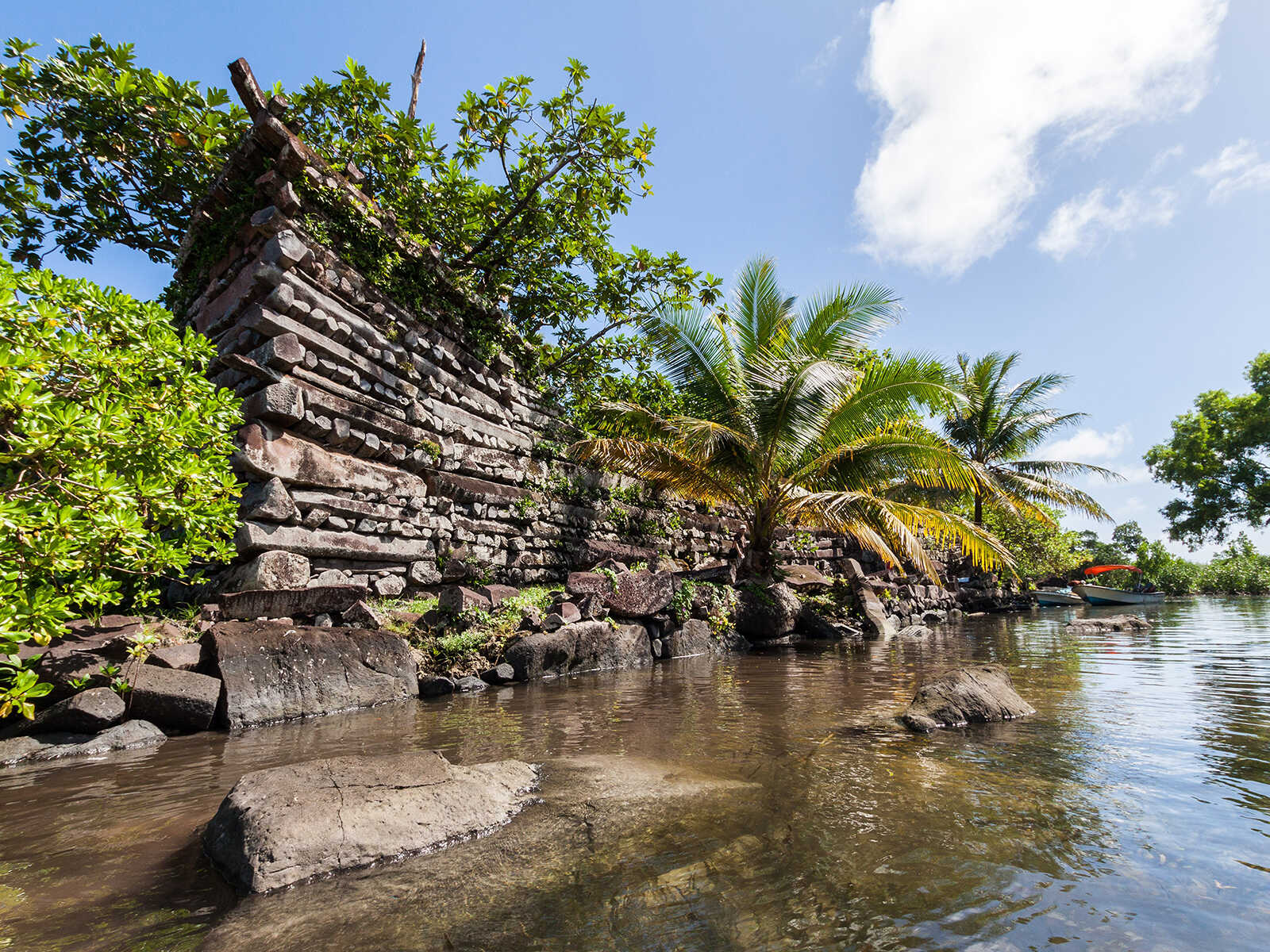
Traditional arts such as weaving (mats, baskets, and intricate clothing), carving (storyboards, canoes, tools), and oral storytelling (myths, legends, historical accounts) are integral to cultural identity. The impressive Nan Madol in Pohnpei stands as a testament to ancient architectural and engineering prowess, demanding respectful admiration from visitors.
Music, Dance, and Feasts
Music and dance are powerful forms of cultural expression, often performed during community celebrations, ceremonies, and feasts. These gatherings are vibrant displays of island life, where food, laughter, and camaraderie abound. On Yap, the iconic stone money (Rai stones) remains a unique and culturally significant form of currency, though not used for daily transactions.
Environmental Respect and Conservation
The pristine natural environment of Micronesia is its greatest treasure. Protecting it is a shared responsibility.
- Marine Conservation:The coral reefs and marine life are fragile. When snorkeling or diving in places like Ant Atoll or the historic Truk Lagoon, avoid touching corals, feeding fish, or disturbing marine creatures.
- Waste Management:Dispose of your waste properly. Carry a reusable water bottle and minimize plastic use. Littering is disrespectful and harmful to the environment.
- Respect Natural Sites:Whether visiting the majestic Sokehs Rock or the tranquil Kepirohi Waterfall on Pohnpei, stay on marked trails and avoid disturbing natural formations or vegetation.
Language Basics
While English is widely understood, especially in governmental and tourism sectors, making an effort to learn a few local phrases is always appreciated. For example:
- Pohnpei:Kaselehlie(Hello),Kalahngan(Thank you)
- Chuuk:Aluu(Hello),Kinisou(Thank you)
- Yap:Gathey(Hello),Sulong(Thank you)
Embracing Island Nuances
Remember that Micronesia is not a monolithic culture. Customs can vary significantly between islands. For instance, the traditional practices on Yap, with its famous stone money and distinct taboos, are different from those on Pohnpei, with its ancient Nan Madol and unique leadership structure. Always be observant, ask questions respectfully, and adapt to the local environment.
Traveling through Micronesia offers a rare opportunity to witness ancient cultures thriving in harmony with nature. By approaching your journey with an open mind, a respectful attitude, and a genuine interest in local traditions, you will not only enrich your own experience but also contribute positively to the preservation of these unique island ways of life. Your respectful engagement ensures that the warmth and beauty of Micronesia remain vibrant for generations to come.