
Island Hopping in Micronesia: A Guide to Exploring Multiple Atolls
Embark on an unforgettable journey through the Federated States of Micronesia, a remote paradise scattered across the vast Pacific. Island hopping here isn't just a trip; it's an immersive adventure into ancient cultures, pristine marine ecosystems, and breathtaking natural beauty.
Why Island Hopping in Micronesia?
Micronesia, comprising over 600 islands and atolls, offers a unique travel experience far removed from mainstream tourism. Each island boasts its own distinct charm, from the historical mysteries of Pohnpei to the vibrant marine life of Chuuk and the rich cultural traditions of Yap. Exploring multiple atolls allows you to witness the incredible diversity of this region, connecting with local communities and discovering hidden gems at your own pace.
Planning Your Micronesia Island Hopping Adventure
Successful island hopping in Micronesia requires careful planning and a flexible mindset. Infrastructure can be limited, and travel between islands often depends on small regional airlines or cargo vessels. Embrace the journey, and you'll be rewarded with unparalleled experiences.
Getting There and Around
- International Flights:The main international gateways are Pohnpei (PNI), Chuuk (TKK), Kosrae (KSA), and Yap (YAP), primarily served by United Airlines' "Island Hopper" flight, which traverses the region, making multiple stops. This flight itself can be an island-hopping experience!
- Inter-Island Travel:Beyond the Island Hopper, smaller domestic airlines might connect specific islands. For more remote atolls, cargo ships or private boat charters are often the only option. These can be infrequent and subject to change, so inquire locally and build in buffer time.
- Entry Requirements:Most visitors will need a valid passport. Check specific visa requirements for your nationality well in advance of your trip.
Best Time to Visit
Micronesia generally experiences a tropical climate year-round. The dry season, typically from November to April, offers calmer seas and less rainfall, ideal for diving, snorkeling, and outdoor activities. The wet season (May to October) brings more rain and the potential for typhoons, though these are not constant. Always check weather forecasts before and during your trip.
Packing Essentials
- Lightweight Clothing:Breathable fabrics suitable for a humid, tropical climate.
- Reef-Safe Sunscreen:Protect both your skin and the delicate coral reefs.
- Insect Repellent:Essential, especially in the evenings and in lush areas.
- Cash:While some larger establishments accept cards, many smaller islands and vendors operate on a cash-only basis. US Dollars are the official currency in the FSM.
- Water Shoes/Sandals:For navigating rocky beaches or coral bottoms.
- Basic First-Aid Kit:For minor cuts, scrapes, and insect bites.
- Reusable Water Bottle:To minimize plastic waste.
Exploring the Atolls: A Glimpse into Micronesia's Gems
Pohnpei: The Garden Island
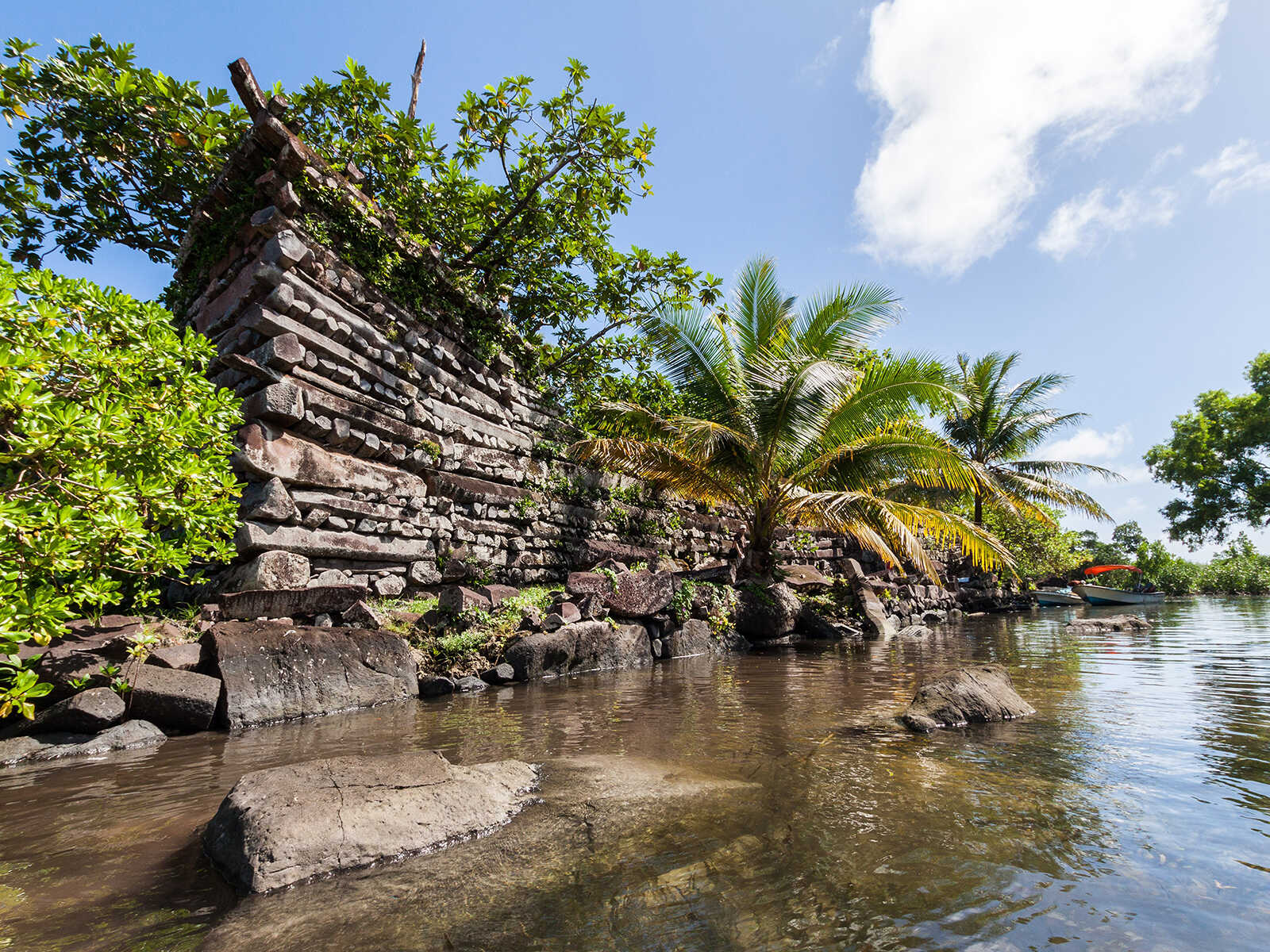
As the capital state of the FSM, Pohnpei offers a blend of natural beauty and historical intrigue. Its lush interior is home to dense rainforests, stunning waterfalls, and the ancient ruins of Nan Madol. This UNESCO World Heritage site, often called the "Venice of the Pacific," is a marvel of basaltic rock architecture built on artificial islands.
- Must-See:Explore Nan Madol, hike to Kepirohi Waterfall, or climb Sokehs Rock for panoramic views.
- Diving & Snorkeling:Pohnpei boasts vibrant coral reefs and diverse marine life. Consider a day trip to Ant Atoll, a pristine uninhabited atoll known for its spectacular diving and birdlife.
Fun Fact:The legendary ruins of Nan Madol are shrouded in mystery, with no clear record of how the massive basalt columns were transported and constructed without modern tools.
Chuuk (Truk Lagoon): The Wreck Diving Capital
For diving enthusiasts, a visit to Truk Lagoon in Chuuk is a pilgrimage. This calm, clear lagoon is the final resting place for over 60 Japanese warships and aircraft, sunk during Operation Hailstone in World War II. It's now the world's largest underwater museum.
- Diving:Explore intact wrecks teeming with coral growth and marine life, from cargo ships and destroyers to aircraft and tanks.
- Beyond Diving:While diving is the main draw, Chuuk also offers glimpses into traditional Micronesian village life and beautiful outer islands.
Yap: The Land of Stone Money and Manta Rays
Yap is perhaps the most culturally distinctive of the FSM states, famous for its enormous circular stone money (Rai), traditional meeting houses, and vibrant dances. It's a place where ancient customs are still very much alive.
- Cultural Immersion:Visit traditional villages, witness local dances, and learn about the significance of the stone money.
- Diving:Yap is world-renowned for its incredible manta ray encounters, particularly in Mi'il Channel, where these majestic creatures come to be cleaned.
Kosrae: The Garden of Micronesia
Known for its verdant hillsides, pristine mangrove forests, and ancient Lelu Ruins, Kosrae offers a tranquil retreat. It's often referred to as the "Garden of Micronesia" due to its lush, unspoiled natural environment.
- Nature:Explore the dense rainforests, kayak through mangrove tunnels, or hike to hidden waterfalls.
- History:Discover the impressive Lelu Ruins, an ancient city built by Micronesian chiefs, predating Nan Madol.
Embracing the Micronesian Experience
Diving and Snorkeling Paradise
From the wreck-filled depths of Truk Lagoon to the vibrant coral gardens of Ant Atoll and the manta ray ballet of Yap, Micronesia is a world-class destination for underwater exploration. The clear, warm waters are home to an astonishing array of marine species, making every dive or snorkel an unforgettable experience.
Cultural Immersion
Beyond the breathtaking landscapes, the true heart of Micronesia lies in its people and their enduring cultures. Take the opportunity to engage with local communities, learn about traditional customs, witness local craftsmanship, and savor the unique flavors of Micronesian cuisine. Always approach cultural interactions with respect and an open mind.
Adventure and Exploration
Whether you're hiking to the majestic Kepirohi Waterfall, navigating the ancient basaltic structures of Nan Madol, or simply relaxing on a secluded beach, Micronesia offers endless opportunities for adventure and discovery. The unhurried pace of island life encourages you to slow down and truly absorb your surroundings.
Practical Tips for a Smooth Journey
- Be Flexible:Schedules can change, especially for inter-island transport. Embrace the relaxed "island time" and have backup plans.
- Respect Local Customs:Dress modestly, especially when visiting villages or religious sites. Always ask permission before taking photos of people.
- Support Local:Choose locally owned accommodations, restaurants, and tour operators to contribute directly to the communities.
- Stay Connected (or Disconnected):Internet access can be limited and expensive. Consider purchasing a local SIM card upon arrival if staying connected is crucial, but also enjoy the opportunity to disconnect.
- Sustainable Travel:Practice responsible tourism by minimizing waste, conserving water, and using reef-safe products. Leave no trace.
Island hopping in Micronesia is more than just a vacation; it's an expedition into a world of pristine natural beauty, rich cultural heritage, and unparalleled tranquility. By preparing thoughtfully and embracing the unexpected, you'll uncover the true magic of these scattered jewels of the Pacific.