
Best Time to Visit Micronesia for Diving & Island Hopping
Micronesia, a captivating collection of islands scattered across the western Pacific, beckons adventurers with its unparalleled diving opportunities and pristine island landscapes. Deciding the optimal time to visit is crucial for maximizing your experience, whether you're chasing vibrant coral reefs, exploring historic shipwrecks, or simply hopping between tranquil atolls.
Understanding Micronesia's Climate
Micronesia generally experiences a tropical climate, characterized by warm temperatures year-round and relatively high humidity. The region typically has two main seasons: a drier period and a wetter period, though local variations exist across the vast expanse of islands.
The Dry Season (December to April/May)
Often considered the prime time to visit, the dry season brings more consistent sunshine, lower humidity, and significantly less rainfall. This period is marked by calmer seas, which translates to excellent underwater visibility for divers and smoother sailing for island hoppers.
- Diving:Expect visibility often exceeding 100 feet (30 meters), making it ideal for exploring the famed World War II wrecks of Truk Lagoon or the vibrant coral gardens of Yap. Calmer conditions also make boat trips to outer reefs more comfortable and reliable.
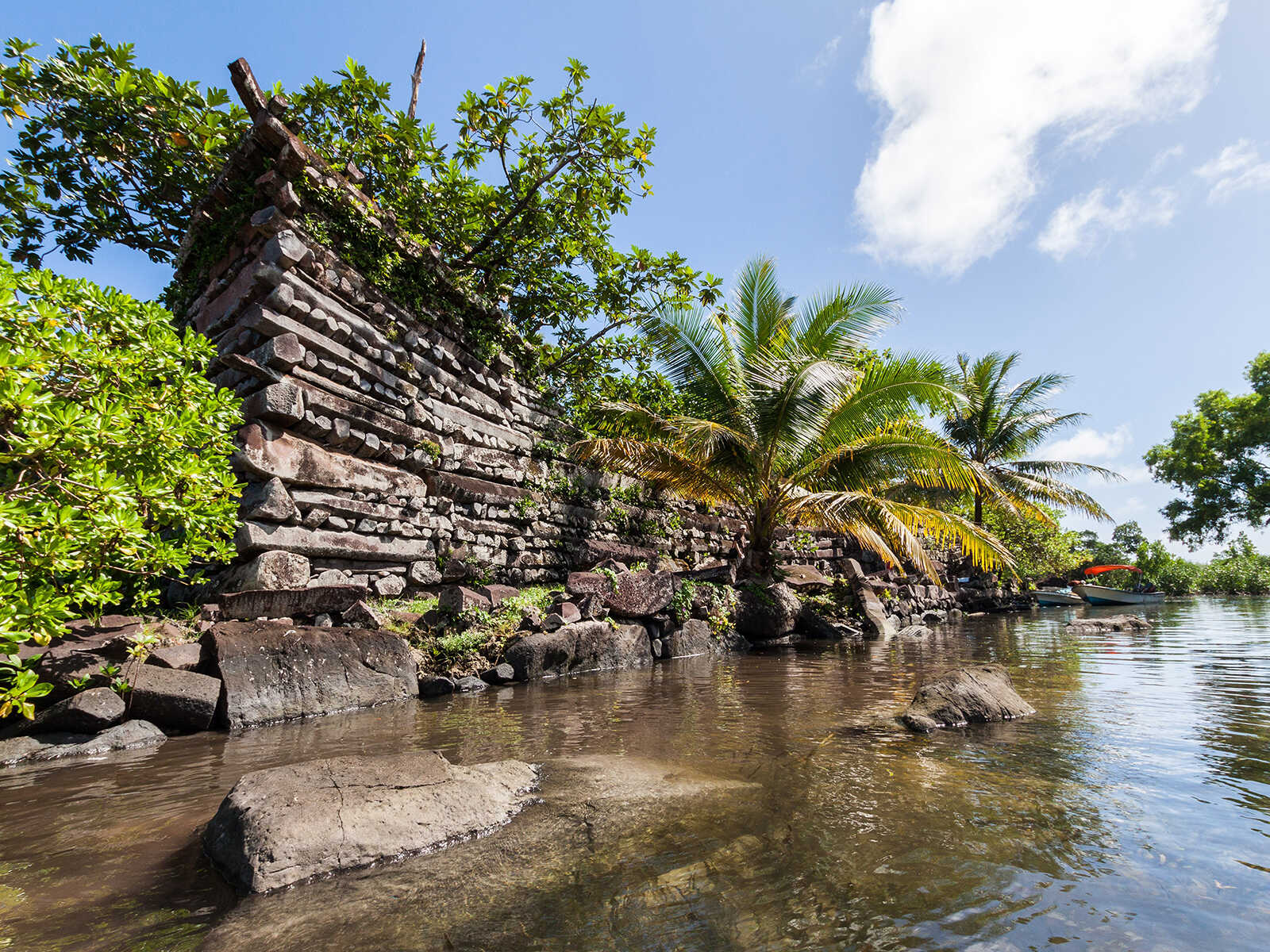
- Island Hopping:With less rain and more sunshine, land-based activities like hiking to the summit of Sokehs Rock or discovering the ancient ruins of Nan Madol are more enjoyable. Travel between islands, often by boat or small plane, is less likely to be disrupted by adverse weather.
Travel Tip:While "dry" season implies less rain, tropical showers can still occur. They are usually short-lived and often a welcome cooling break.
The Wet Season (May/June to November)
The wet season, also known as the "green season," sees an increase in rainfall and humidity. While this might deter some, it offers a different, often equally rewarding, experience. Rain typically comes in short, intense bursts rather than continuous downpours, often clearing quickly to reveal sunny skies.
- Diving:Visibility can be slightly reduced compared to the dry season, especially near larger islands due to runoff. However, the warmer waters and plankton blooms can attract unique marine life. Some areas, like Yap, are known for consistent manta ray sightings year-round, but specific times might offer better chances depending on local conditions. Fewer divers also mean less crowded sites.
- Island Hopping:The landscapes are at their most lush and vibrant, with waterfalls like Kepirohi Waterfall flowing powerfully. While outdoor activities might require more flexible planning around showers, you'll benefit from fewer tourists and potentially a more authentic cultural experience.
Diving in Micronesia: Seasonal Considerations
Micronesia is a diver's paradise, offering everything from world-class wreck diving to encounters with pelagic giants. The water temperature remains consistently warm, typically between 80-86°F (27-30°C) year-round, meaning a 3mm wetsuit or even just board shorts is often sufficient.
Best Visibility and Calmest Waters
For optimal diving conditions, particularly for those sensitive to motion sickness or keen on crystal-clear visibility for photography, thedry season (December to April/May)is ideal. During this period, the seas are generally calmer, making boat rides to dive sites more pleasant and allowing access to more remote locations. This is especially true for deep wreck dives in Truk Lagoon, where maximum visibility enhances the eerie beauty of the sunken fleet.
Marine Life Encounters
While Micronesia boasts incredible marine biodiversity year-round, some encounters can be seasonal or more prevalent during certain times:
- Manta Rays:Yap is famous for its resident manta ray population, and sightings are highly consistent throughout the year. However, some local dive operators might note slightly better chances during the transition months or specific tidal conditions.
- Sharks:Reef sharks, often grey reef and blacktip, are common residents on many reefs throughout Micronesia, regardless of the season.
- Pelagic Species:The outer reefs and atolls, such as Ant Atoll, offer opportunities to see larger pelagic species like tuna, barracuda, and occasionally hammerheads. These encounters are less seasonal and more dependent on currents and luck.
Island Hopping: Navigating the Seasons
Island hopping in Micronesia is an adventure in itself, whether you're flying between major islands or taking local boats to explore remote atolls. Your preferred activities will largely dictate the best time to go.
Optimal Conditions for Exploration
Thedry season (December to April/May)provides the most comfortable conditions for exploring the islands on foot. Hiking trails are less muddy, and the lower humidity makes sightseeing more pleasant. This is the perfect time to delve into the rich history of places like the ancient stone city of Nan Madol in Pohnpei, or to simply relax on a pristine beach without the constant threat of rain.
Embracing the Green Season
If you prefer fewer crowds and don't mind the occasional tropical downpour, thewet season (May/June to November)can be a fantastic time to island hop. The islands are incredibly lush, and the natural beauty is amplified. Waterfalls like Kepirohi Waterfall in Pohnpei are at their most magnificent. While inter-island travel might be slightly more prone to delays due to weather, the rewards include a more serene experience and often more interaction with local culture.
Typhoon Season: What to Know
Micronesia lies within the Pacific typhoon belt, and the official typhoon season generally runs fromJune to November, coinciding with the latter half of the wet season. While direct hits are not frequent, tropical depressions and typhoons can develop in the region, leading to:
- Travel Disruptions:Flights and boat services can be delayed or cancelled, impacting island hopping plans.
- Rough Seas:Even without a direct hit, distant storms can generate large swells, making diving and boating uncomfortable or unsafe.
- Heavy Rainfall:Prolonged heavy rain can reduce visibility and make land activities challenging.
If planning a trip during this period, it's highly advisable to purchase comprehensive travel insurance and build some flexibility into your itinerary. Keep an eye on weather forecasts from reliable sources.
Key Takeaways for Planning Your Trip
Ultimately, the "best" time to visit Micronesia depends on your priorities and tolerance for different conditions.
For Pristine Diving & Smooth Sailing:
Aim for theDry Season (December to April/May). You'll enjoy the best underwater visibility, calmest seas for boat travel, and sunny skies for land exploration. This is generally considered the peak tourist season.
For Fewer Crowds & Lush Scenery:
Consider theWet Season (May/June to November). While you might encounter more rain and humidity, the islands are beautifully green, and popular sites are less crowded. This can be a great time for budget-conscious travelers or those seeking a more tranquil experience, provided you're flexible with your plans.
Micronesia offers an unforgettable adventure year-round. By understanding the seasonal nuances, you can tailor your visit to ensure the perfect diving expedition or island-hopping journey across these magical Pacific gems.