
Best Scuba Diving Spots in Micronesia: Truk Lagoon & Beyond
Micronesia, a vast expanse of islands scattered across the western Pacific, beckons divers with some of the world's most spectacular underwater experiences. From historic wreck diving to vibrant coral gardens and encounters with pelagic giants, this region offers an unparalleled aquatic adventure. Prepare to explore a world beneath the waves that blends history with breathtaking natural beauty.
Why Dive Micronesia? An Underwater Paradise
The islands of Micronesia are renowned for their crystal-clear waters, remarkable visibility, and incredibly diverse marine ecosystems. Situated in the Coral Triangle, the area boasts an astonishing array of coral species and fish, making every dive a discovery. Beyond the sheer biodiversity, Micronesia offers unique geological formations, from dramatic drop-offs to intricate cave systems, catering to every diver's preference.
What truly sets Micronesia apart for divers is its combination of pristine natural reefs and significant historical sites. World War II left an indelible mark on many of these islands, creating unique opportunities for wreck exploration that are unparalleled anywhere else on Earth. This blend of natural beauty and historical intrigue creates a dive experience unlike any other.
Truk Lagoon (Chuuk): The World's Greatest Wreck Museum
No discussion of Micronesian diving is complete without highlighting Truk Lagoon, now officially known as Chuuk Lagoon. This legendary dive destination holds a haunting and captivating secret beneath its serene surface: an entire Japanese naval fleet, sunk during Operation Hailstone in February 1944.
A Glimpse into History: The Ghost Fleet
During World War II,Truk Lagoon served as a major Japanese naval base. In a decisive Allied attack, hundreds of thousands of tons of shipping, aircraft, and war matériel were sent to the seabed. Today, these wrecks lie remarkably preserved, transformed into artificial reefs teeming with marine life, creating an eerie yet beautiful testament to history.
Fun Fact:Many of the wrecks in Truk Lagoon still contain artifacts from the war, including tanks, bulldozers, zero fighter planes, ammunition, and personal belongings of the sailors, offering a poignant window into the past.
Divers can explore cargo ships, oil tankers, destroyers, and even submarines, each telling its own story. The sheer number and variety of wrecks, combined with their excellent state of preservation, make Truk Lagoon a pilgrimage site for wreck divers worldwide. Popular wrecks include theShinkoku Maru, known for its vibrant soft corals and fish life, theFujikawa Maruwith its intact planes in the holds, and the deeperSan Francisco Maru, which houses tanks, trucks, and artillery.
Diving Truk Lagoon: What to Expect
- Depth Range:Wrecks range from shallow coral-encrusted decks at 15 meters (50 feet) to deeper holds and engine rooms exceeding 40 meters (130 feet).
- Visibility:Generally excellent, often 20-30 meters (65-100 feet).
- Marine Life:Beyond the historical artifacts, the wrecks are vibrant artificial reefs, home to schools of snapper, barracuda, reef sharks, and an explosion of soft and hard corals.
- Technical Diving:Many deeper wrecks and penetration dives require advanced certifications and technical diving skills. Reputable dive operators in Truk Lagoon cater to all experience levels, from recreational divers to experienced technical divers.
While the focus is on wrecks, the lagoon also offers beautiful reef diving, though it is overshadowed by the historical appeal.
Beyond Truk Lagoon: Diverse Dive Experiences in Micronesia
While Truk Lagoon might be the crown jewel for wreck enthusiasts, Micronesia offers a wealth of other dive experiences across its island nations. Each island group presents a unique underwater landscape and marine encounters.
Yap: The Kingdom of Mantas and Macro Life
Venturing west, the island of Yap is globally renowned as the "Land of Stone Money" and, more importantly for divers, the "Manta Ray Capital of the World."Yap's channels and cleaning stations provide consistent opportunities to witness these majestic creatures up close, often year-round.
- Manta Ray Encounters:Stable populations of resident mantas frequent several cleaning stations, offering incredible photographic opportunities.
- Macro Photography:Beyond the mantas,Yap's reefs are a macro photographer's dream, with diverse nudibranchs, mandarinfish, and other small critters.
- Reef Diving:Healthy hard coral reefs, dramatic walls, and plentiful reef sharks complement the manta experiences.
Pohnpei: Pristine Reefs and Cultural Wonders
The Federated States of Micronesia's capital state, Pohnpei, offers a rugged, lush landscape above water and stunning, largely unexplored reefs below. Divers here can expect pristine hard coral gardens, vibrant fish life, and exhilarating drift dives along deep walls.
- Ant Atoll:A short boat ride from Pohnpei,Ant Atoll is an uninhabited paradise offering spectacular outer reef diving, known for large pelagics, sharks, and untouched coral ecosystems.
- Drift Diving:Experience thrilling drift dives along deep outer reef walls, carried by currents through schools of fish and past healthy corals.
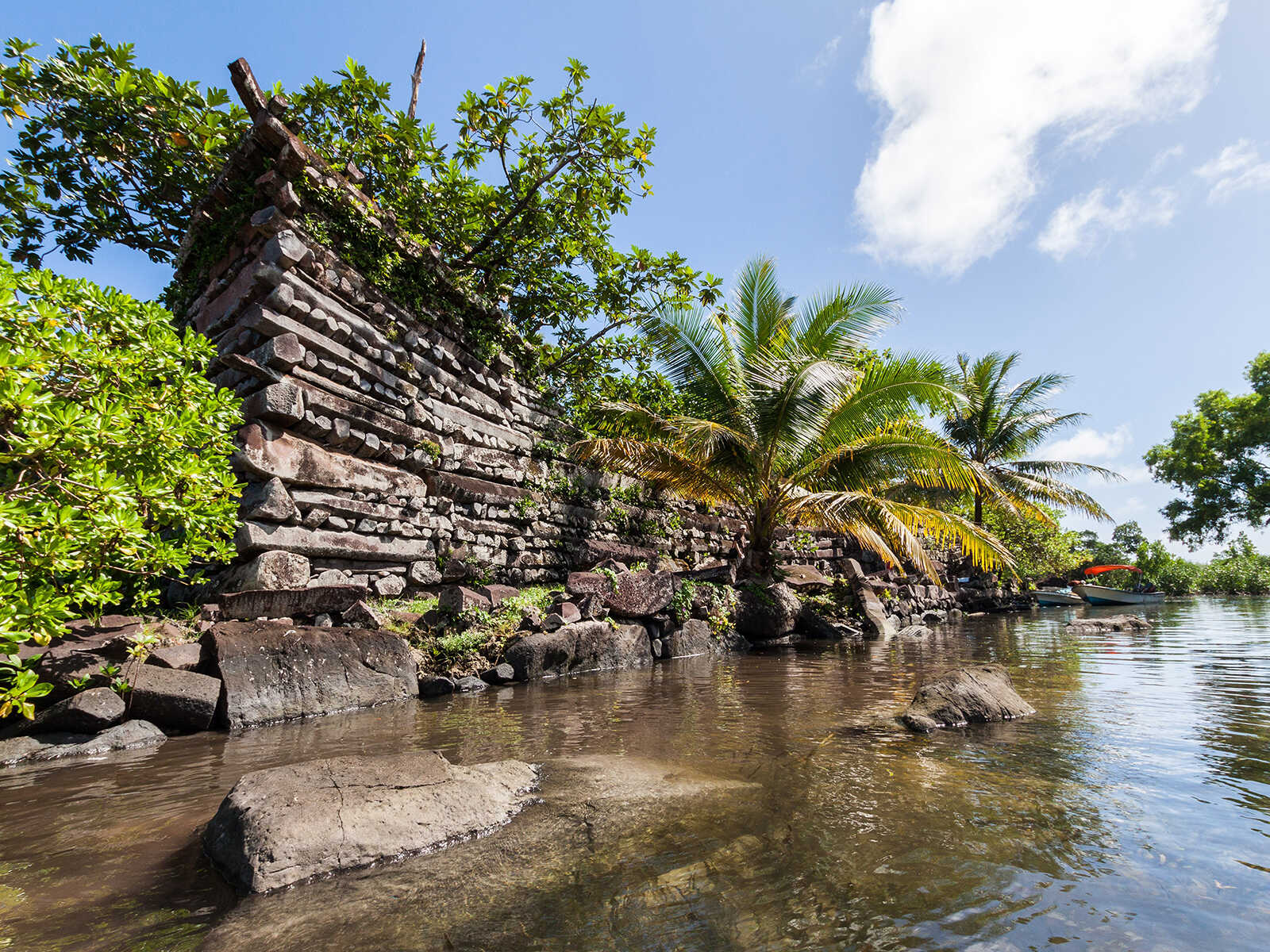
- Topside Attractions:On non-diving days, explore the ancient ruins of Nan Madol, the majestic Kepirohi Waterfall, or hike to Sokehs Rock for panoramic views. These offer a rich cultural experience to complement the underwater adventures.
Kosrae: The "Jewel of Micronesia"
East of Pohnpei lies Kosrae, often called the "Jewel of Micronesia" for its unspoiled beauty, both above and below the surface. Kosrae boasts some of the most pristine and healthy hard coral reefs in the world, with minimal current and exceptional visibility.
- Healthy Corals:Extensive hard coral formations, including massive plate corals and intricate branching species, create breathtaking underwater landscapes.
- Vertical Walls:Dramatic drop-offs plunge into the abyss, offering encounters with reef sharks, barracuda, and other pelagic species.
- Uncrowded Sites:Kosrae offers a truly remote and intimate diving experience, far from the crowds of more popular destinations.
Planning Your Micronesian Dive Adventure
To make the most of your dive trip to Micronesia, consider these practical tips:
- Best Time to Visit:Generally, the dry season (November to April) offers the calmest seas and best visibility, though diving is excellent year-round.
- Certifications:For Truk Lagoon, advanced open water certification is recommended, with specialty courses like wreck diving or deep diving highly beneficial for maximizing your experience. Other islands are suitable for open water divers, but advanced skills always enhance safety and access to more sites.
- Liveaboards vs. Land-Based:Liveaboards are popular for Truk Lagoon due to the number of sites. For other islands like Yap and Pohnpei, land-based resorts often provide daily dive excursions.
- Equipment:Bring your essential gear, but check with your dive operator about rental options. A dive computer is essential, and a dive light is highly recommended for wreck penetration and spotting critters.
- Respect the Environment:Micronesia's marine ecosystems are fragile. Practice responsible diving – maintain buoyancy, avoid touching corals, and never remove artifacts from historical wreck sites.
Conclusion: An Unforgettable Underwater Journey
Micronesia stands as a premier destination for divers seeking a blend of historical intrigue, vibrant marine life, and untouched natural beauty. Whether you're drawn to the ghostly fleets of Truk Lagoon, the majestic mantas of Yap, or the pristine reefs of Pohnpei and Kosrae, this region promises an unforgettable underwater adventure. Start planning your journey to these Pacific gems and discover why Micronesia truly is a diver's paradise.