
Understanding Mexican Culture: Traditions, Customs & Etiquette
Mexico is a land of vibrant colors, rich history, and deeply rooted traditions that captivate visitors from around the globe. To truly appreciate the beauty and spirit of this incredible country, understanding its culture, customs, and etiquette is essential for a respectful and enriching travel experience.
The Heart of Mexican Culture: Family & Community
At the core of Mexican society lies the family, often extending beyond the nuclear unit to include grandparents, aunts, uncles, and cousins. This strong familial bond fosters a sense of collective responsibility and support, influencing social interactions and daily life. Community also plays a vital role, with neighbors and friends often treated like extended family, contributing to a warm and welcoming atmosphere.
Guests are typically treated with immense warmth and generosity. It's common for Mexicans to go out of their way to make visitors feel comfortable and appreciated. Reciprocity, even if just through sincere gratitude, is always valued.
Fiestas and Celebrations: A Vibrant Tapestry
Mexican culture is synonymous with celebration, marked by an array of colorful fiestas throughout the year. These events are often deeply religious, blending indigenous beliefs with Catholic traditions.
- Día de Muertos (Day of the Dead):Perhaps the most iconic Mexican holiday, celebrated on November 1st and 2nd, honoring deceased loved ones with altars, marigolds, and sugar skulls.Janitzio, an island in Lake Pátzcuaro, is famous for its particularly poignant celebrations.
- Semana Santa (Holy Week):The week leading up to Easter, marked by solemn processions and religious ceremonies across the country, particularly vibrant in colonial cities.
- Independence Day:Celebrated on September 16th, commemorating Mexico's declaration of independence from Spain with fireworks, parades, and patriotic festivities.
- Posadas:A nine-day celebration leading up to Christmas, reenacting Mary and Joseph's search for lodging, filled with carols, piñatas, and gatherings.
"In Mexico, celebrations are not just events; they are expressions of life, faith, and community spirit, bringing people together through music, food, and shared joy."
Culinary Delights: More Than Just Food
Mexican cuisine is a UNESCO Intangible Cultural Heritage, renowned worldwide for its complex flavors, diverse ingredients, and ancient traditions. Food is central to family gatherings, celebrations, and daily life. Don't be afraid to try street food from reputable vendors; it's often some of the most authentic and delicious.
When invited to dine, it's polite to accept. A small gift for the host, such as flowers or a dessert, is a thoughtful gesture. Remember to try a variety of dishes, from tacos and tamales to mole and cochinita pibil, often found in regions like the Yucatán Peninsula, near destinations like Chichén-Itzá or Archeological Zone of Tulum.
Social Etiquette: Navigating Interactions
Understanding basic social etiquette will greatly enhance your interactions in Mexico.
Greetings and Politeness
- Salutations:Always greet people, even strangers, with a polite "Hola" (hello) or "Buenos días" (good morning), "Buenas tardes" (good afternoon), or "Buenas noches" (good evening). When entering a shop, restaurant, or even a public space, a general greeting is common.
- Handshakes:A firm handshake is the standard greeting between men. Women often greet each other, and men, with a light kiss on the cheek (usually one, right cheek to right cheek).
- Formal vs. Informal:Use "usted" for formal situations (elders, authority figures, new acquaintances) and "tú" for informal settings (friends, children). When in doubt, start with "usted."
- "Por favor" and "Gracias":"Please" and "Thank you" are fundamental to polite communication.
Personal Space and Touch
Mexicans tend to have a closer personal space than some Western cultures. Don't be surprised if people stand closer during conversations or touch your arm to emphasize a point. Physical affection among friends and family is also common.
Hospitality and Invitations
If invited to a home, it's customary to arrive slightly late (5-15 minutes) as a sign of respect, though punctuality is appreciated for business meetings. Always offer to help your host, even if they decline. Complimenting the food and the home are also well-received gestures.
Respecting Traditions: Tips for Travelers
Showing respect for local customs is paramount for a positive experience.
- Dress Code:While beach areas like Cancún or Puerto Vallarta are casual, dress modestly when visiting churches, government buildings, or more traditional towns. Shoulders and knees should be covered.
- Photography:Always ask permission before taking photos of people, especially children, and respect "no photography" signs in sacred sites or museums.
- Bargaining:In markets, light bargaining is acceptable and expected, but always be respectful and friendly. Avoid aggressive haggling. In formal stores, prices are fixed.
- Tipping:Tipping is customary for services like waiters, bellhops, tour guides, and even gas station attendants. A general guideline is 10-15% for restaurant service.
Language & Communication: Basic Phrases and Nuances
While English is spoken in major tourist hubs, making an effort to speak even a few Spanish phrases will be highly appreciated and open doors to richer interactions.
Basic phrases to learn:
- Hola(Hello)
- Por favor(Please)
- Gracias(Thank you)
- De nada(You're welcome)
- Permiso / Con permiso(Excuse me / May I pass)
- Lo siento(I'm sorry)
- ¿Cuánto cuesta?(How much does it cost?)
- Sí / No(Yes / No)
- ¿Habla inglés?(Do you speak English?)
Mexicans often communicate indirectly to maintain harmony and avoid confrontation. Pay attention to non-verbal cues and context.
Religious Influence: Catholicism's Role
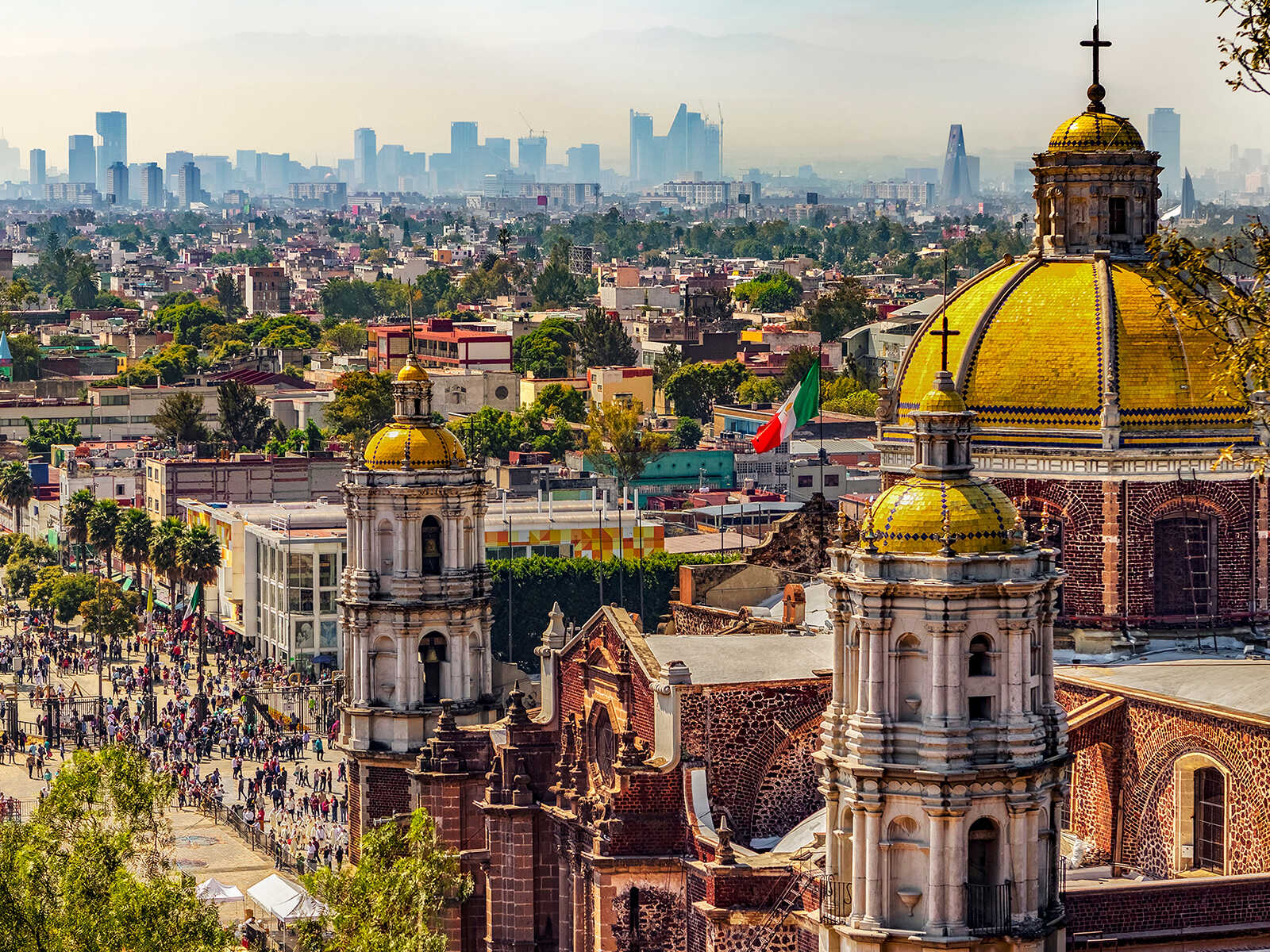
Catholicism profoundly influences Mexican culture, evident in holidays, architecture, and daily life. Churches are revered spaces; when visiting, dress respectfully and be mindful of ongoing services. The magnificent Mexico City Metropolitan Cathedral is a prime example of the deep religious heritage and architectural grandeur.
Time Perception: "Mañana" and Flexibility
The concept of time in Mexico can be more fluid than in some Western cultures. While punctuality is important in business and formal settings, social gatherings often have a more relaxed approach. "Mañana" literally means "tomorrow" or "morning," but colloquially can imply "later" or "sometime in the future." Patience and flexibility are key.
Art & Music: Expressions of Soul
From ancient murals at San Juan Teotihuacán to vibrant contemporary street art, Mexico's artistic legacy is immense. Music, particularly mariachi, regional folk music, and cumbia, is an integral part of celebrations and everyday life, often accompanying meals and social gatherings. You might even hear lively music around historical landmarks like the Monumento al Pipila Guanajuato.
Practical Tips for a Respectful Visit
- Be Patient:Things may move at a slower pace. Embrace it.
- Be Open-Minded:Try new foods, listen to different perspectives, and engage with locals.
- Learn Basic Spanish:Even a few words go a long way.
- Dress Appropriately:Especially in religious sites and traditional towns.
- Support Local:Purchase from local artisans and eat at local establishments.
Mexico's rich tapestry of traditions, customs, and etiquette is a testament to its deep history and vibrant present. By approaching your travels with an open heart, a curious mind, and a commitment to respect, you'll not only enjoy an unforgettable journey but also forge genuine connections with the warmth and generosity of the Mexican people. Embrace the differences, celebrate the similarities, and allow the magic of Mexico to truly enchant you.