
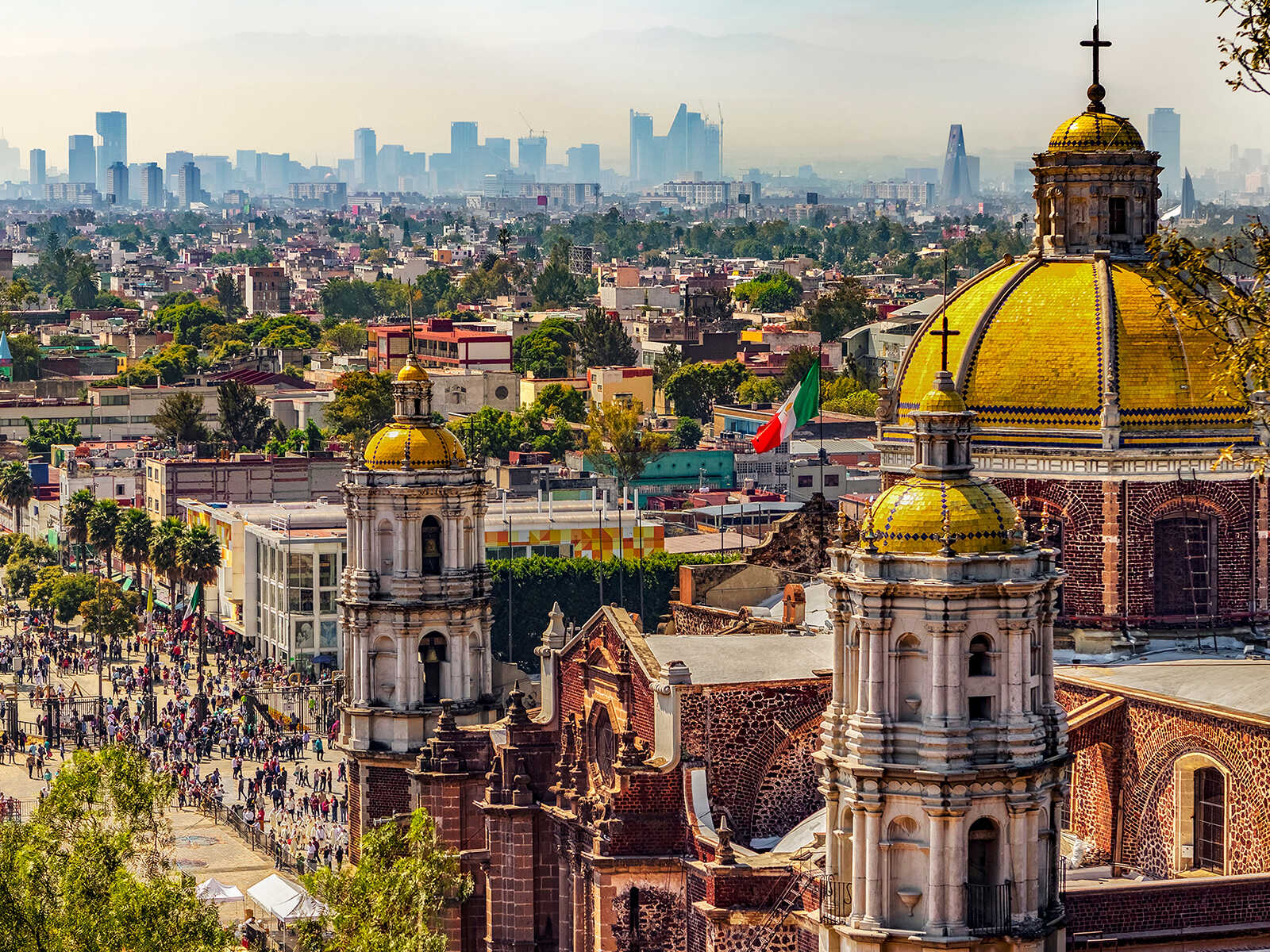
Mexican Culture: Traditions, Day of the Dead & Social Customs
Mexico's culture is a vibrant tapestry woven from indigenous roots and Spanish colonial influences, creating a unique and captivating identity. From ancient rituals to lively modern celebrations, understanding its traditions and social customs enriches any traveler's experience. Prepare to immerse yourself in a world of warmth, color, and profound history.
The Tapestry of Mexican Culture
Mexican culture is renowned for its deep sense of community, strong family bonds, and a profound respect for history and heritage. It's a land where ancient wisdom coexists with contemporary life, creating a dynamic blend that is both fascinating and welcoming. The fusion of pre-Hispanic civilizations, such as the Maya and Aztec, with Spanish Catholicism has given rise to unique expressions in art, music, cuisine, and festivals.
Traveler's Tip:Mexicans are known for their hospitality. A genuine smile and an attempt to speak a few Spanish phrases will go a long way in forging connections.
Deep-Rooted Traditions and Celebrations
Traditions are the heartbeat of Mexico, with festivals and daily rituals shaping the rhythm of life. These celebrations are often colorful, full of music, and deeply spiritual.
Día de Muertos (Day of the Dead)
Perhaps the most iconic Mexican tradition,Día de Muertos, or Day of the Dead, is a powerful example of the country's unique perspective on life and death. Far from being a somber occasion, it's a joyful celebration to honor and remember deceased loved ones, believing their spirits return to visit. Celebrated primarily on November 1st and 2nd, families create elaborate altars calledofrendasin their homes and at gravesites.
These altars are adorned with photos of the departed, their favorite foods and drinks, candles, incense, and bright orange marigold flowers (cempasúchil), whose scent is believed to guide spirits home. Iconic symbols include intricately decorated sugar skulls (calaveras) andpan de muerto(bread of the dead). While observed nationwide, some regions are particularly famous for their elaborate celebrations, such as the island of Janitzio in Michoacán, where candlelit processions across Lake Pátzcuaro create a breathtaking spectacle.
Fiestas and Festivals
Beyond Day of the Dead, Mexico boasts a calendar brimming with fiestas:
- Independence Day (Día de la Independencia):Celebrated on September 16th with patriotic fervor, parades, fireworks, and the iconic "Grito de Dolores" reenactment.
- Las Posadas:A nine-day celebration leading up to Christmas, where communities reenact Mary and Joseph's search for lodging, culminating in festive parties.
- Carnival (Carnaval):A vibrant pre-Lenten festival celebrated with parades, music, and dancing in many coastal cities, including lively events in places like Puerto Vallarta and San Miguel de Cozumel.
- Guelaguetza:An indigenous festival in Oaxaca celebrating the diverse cultures of the state through traditional dance, music, and food.
Music and Dance
Music and dance are integral to Mexican life, expressing joy, sorrow, and cultural identity.Mariachimusic, with its distinct trumpets, violins, and guitars, is perhaps the most recognized genre, often accompanying celebrations and serenades. Folkloric dances like the energeticJarabe Tapatío(Mexican Hat Dance) tell stories through movement and vibrant traditional costumes. You might experience these lively performances at cultural parks like Xcaret Park, which offers a deep dive into Mexican heritage.
Culinary Delights: A UNESCO Heritage
Mexican cuisine is so rich and diverse that it has been recognized by UNESCO as an Intangible Cultural Heritage of Humanity. It's built upon staples like corn, beans, and chili, but regional variations offer an incredible array of flavors and dishes. From street food to fine dining, food is central to family gatherings and social life.
- Tacos:Endless varieties, from al pastor to carnitas.
- Mole:A complex sauce with dozens of ingredients, often served with chicken or turkey.
- Tamales:Savory or sweet masa dough steamed in corn husks or banana leaves.
- Pozole:A hearty hominy stew, often enjoyed on special occasions.
Social Customs and Etiquette
Understanding local customs is key to a respectful and enjoyable visit.
Greetings and Politeness
Mexicans are generally polite and warm. A handshake is common for introductions, and close friends and family often greet with a hug or a kiss on the cheek. Always use "usted" (the formal 'you') when addressing elders or those you don't know well, especially in formal settings, until invited to use "tú" (the informal 'you'). Phrases like "por favor" (please) and "gracias" (thank you) are essential, as is a polite "con permiso" (excuse me) when passing someone.
Family Values
Family is the cornerstone of Mexican society. Extended families often live close by and play a significant role in each other's lives. Respect for elders is paramount, and children are often taught to be polite and deferential. Family gatherings are frequent and often involve large meals and lively conversation.
Time Perception (Flexibility)
While punctuality is appreciated in formal business settings, social events often operate on "Mexican time," meaning a more relaxed approach to schedules. Don't be surprised if your host arrives a little late or if an event starts later than advertised. Patience is a virtue here.
Hospitality
Mexican hospitality is legendary. Guests are often treated like family. If invited to a Mexican home, it's customary to bring a small gift, such as flowers, pastries, or a bottle of wine. Always accept food or drink offered to you, even if only a small portion, as refusing might be seen as impolite.
Dress Code
While resort areas like Cancún and Puerto Vallarta are accustomed to casual attire, generally, Mexicans dress a bit more formally and modestly than many Westerners. When visiting churches like the magnificent Mexico City Metropolitan Cathedral or ancient sites such as Chichén-Itzá or the Archeological Zone of Tulum, it's respectful to wear clothing that covers your shoulders and knees. Swimwear is reserved for beaches and pools.
Language and Communication
Spanish is the official language of Mexico, but over 60 indigenous languages are also spoken, particularly in rural areas. While many people in tourist destinations speak English, making an effort to learn basic Spanish phrases will greatly enhance your interactions and show respect for the local culture.
Religion and Spirituality
Mexico is predominantly Roman Catholic, a legacy of Spanish colonization. Religion deeply influences daily life, traditions, and festivals. It's common to see elaborate churches in even small towns. The syncretism of Catholic beliefs with ancient indigenous spiritual practices is particularly evident in many regional festivals and traditions, offering a unique blend of devotion.
Exploring Mexico's Cultural Heartbeat
To truly experience Mexican culture, venture beyond the resorts. Explore bustling markets, attend local fiestas, visit historical sites like San Juan Teotihuacán or Paraiso Maya Palenque, and savor authentic regional cuisine. Engage with locals, learn about their crafts, and participate in traditions. Whether you're admiring the monumental architecture of the Monumento al Pipila Guanajuato or relaxing in a vibrant plaza, Mexico's rich cultural heritage promises an unforgettable journey.
Mexico offers an unparalleled opportunity for cultural immersion. By understanding and respecting its traditions, the warmth of its people, and its unique customs, you'll not only enjoy your trip more but also gain a deeper appreciation for this incredible country.