
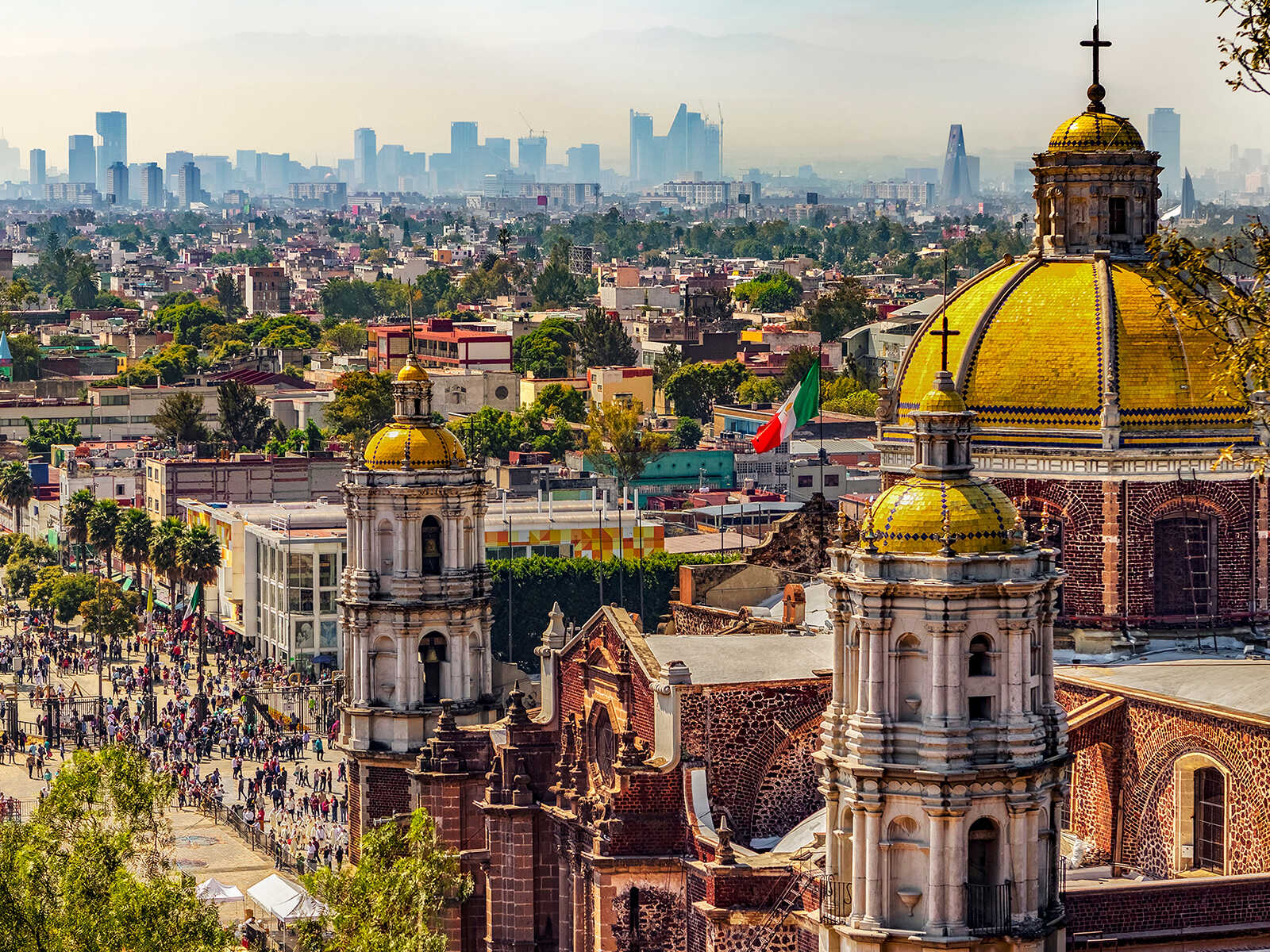
Is Mexico Safe to Travel to? A Realistic Safety Guide for Tourists
Mexico, a vibrant land of rich culture, stunning landscapes, and delicious cuisine, beckons millions of tourists each year. Yet, headlines often paint a different picture, raising legitimate concerns about safety. This guide aims to offer a realistic, balanced perspective on travel safety in Mexico, helping you plan your trip with confidence and awareness.
The truth is, like any popular travel destination, Mexico has its safe havens and areas that require caution. By understanding the common risks and adopting smart travel practices, you can enjoy an incredible and safe experience in this diverse country.
Understanding the Reality: Perception vs. Experience
Media reports often focus on areas experiencing significant challenges, creating a perception that the entire country is unsafe. However, Mexico is a vast nation, and the vast majority of tourist visits to popular destinations occur without incident. Millions of visitors explore its beaches, ancient ruins, and colonial cities safely every year.
Did You Know?Tourism is a crucial part of Mexico's economy. The Mexican government, along with local communities, invests heavily in ensuring the safety and positive experience of international visitors in key tourist zones.
Common Safety Concerns and How to Mitigate Them
While serious violent crime is largely concentrated in specific areas and typically not aimed at tourists, it's wise to be aware of more common issues and how to avoid them.
Petty Crime (The Most Common Risk)
Pickpocketing and bag snatching are the most frequent crimes affecting tourists, especially in crowded markets, public transport, and popular attractions. These are opportunistic crimes.
- Be Discreet:Avoid openly displaying expensive jewelry, cameras, or large amounts of cash.
- Secure Belongings:Use a cross-body bag or a money belt. Keep your wallet in a front pocket.
- Awareness:Be mindful of your surroundings, especially in busy areas.
Scams and Tourist Traps
While generally harmless, scams can be a nuisance and lead to financial loss. Common examples include overpriced taxis, fake "helpful" strangers, or vendors overcharging for goods.
- Research:Know typical prices for taxis and goods.
- Official Services:Use authorized taxis (sitio taxis or ride-sharing apps like Uber/DiDi where available) instead of unmarked cabs.
- Be Skeptical:If an offer seems too good to be true, it probably is.
Drug-Related Violence
This is the primary focus of many negative headlines. It's important to understand that this violence is typically localized to specific regions and often involves rival groups or targets individuals involved in illicit activities. Tourist areas are generally well-protected, and incidents directly involving tourists are rare, particularly if you are not seeking out illegal activities.
- Stay Away from Illicit Activities:Do not buy or use illegal drugs. Avoid areas known for drug trafficking.
- Respect Local Laws:Adhere to all local laws and customs.
Transportation Safety
Getting around Mexico is generally straightforward, but a few precautions are advisable.
- Taxis:In major cities like Mexico City, use authorized "sitio" taxis from designated stands, or ride-sharing apps. Avoid hailing random cabs off the street, especially at night.
- Buses:Long-distance buses are often comfortable, affordable, and safe. Research reputable companies.
- Driving:Driving at night between cities is generally discouraged. Stick to main roads during the day. Be aware that road conditions can vary greatly.
Health and Food Safety
Traveler's diarrhea (often called "Montezuma's Revenge") is a common complaint. Sunburn and dehydration are also risks.
- Water:Drink bottled or purified water exclusively. Avoid tap water, even for brushing teeth.
- Food:Eat at reputable establishments. Be cautious with street food, ensuring it's hot and freshly prepared. Wash hands frequently.
- Sun Protection:Use high-SPF sunscreen, wear hats, and stay hydrated, especially when visiting sites like Chichén-Itzá or relaxing on the beaches of Cancún.
Safest Destinations in Mexico for Tourists
Many popular tourist destinations maintain a high level of safety due to strong security presence and a focus on visitor well-being.
- Yucatan Peninsula & Riviera Maya:This region, home to Cancún, Playa del Carmen, and Tulum, is one of Mexico's safest and most popular tourist corridors. Areas like Xcaret Park and Xel-Há Park are designed with tourist safety in mind. Mérida, the capital of Yucatán state, is often cited as one of Mexico's safest cities. You can also explore natural wonders like The Yucatan Coloradas.
- Pacific Coast:Destinations like Puerto Vallarta, Riviera Nayarit, and San Miguel de Cozumel are generally safe and welcoming. The Marietas Islands offer a unique, safe excursion.
- Central Highlands:Colonial gems such as San Miguel de Allende, Guanajuato (Monumento al Pipila Guanajuato offers great views), and Oaxaca City (near Hierve el Agua) are known for their charm and relatively low crime rates affecting tourists.
- Mexico City:While a massive metropolis, many tourist areas (Roma, Condesa, Polanco, Centro Histórico with the Mexico City Metropolitan Cathedral) are generally safe during the day and early evening. Day trips to San Juan Teotihuacán are also very popular and safe.
Always check current travel advisories from your home country's government before traveling, as conditions can change.
General Safety Tips for Tourists
Empower yourself with these practical tips for a safer trip:
- Research Your Destination:Understand the specific safety landscape of the places you plan to visit.
- Be Aware of Your Surroundings:Pay attention to people and situations around you. A vigilant traveler is a less vulnerable target.
- Don't Flash Valuables:Keep expensive items out of sight. Dress modestly to blend in.
- Use Reputable Transport:Stick to official taxis, ride-sharing apps, or pre-arranged shuttles.
- Learn Basic Spanish:Even a few phrases can be incredibly helpful in emergencies and for daily interactions.
- Inform Others:Let family or friends know your itinerary.
- Stay Connected:Have a working phone with local service or an international plan.
- Trust Your Gut:If a situation or person feels off, remove yourself from it.
- Travel Insurance:Always purchase comprehensive travel insurance that covers medical emergencies, theft, and trip cancellations.
- Copy Documents:Keep digital and physical copies of your passport, visa, and other important documents separate from the originals.
What to Do if Something Goes Wrong
Despite best efforts, unforeseen incidents can occur. Knowing what to do can make a big difference:
- Contact Local Authorities:The emergency number in Mexico is 911.
- Report to Your Embassy/Consulate:Your country's embassy or consulate can provide assistance, such as helping with lost passports or connecting you with local resources.
- Notify Your Bank:If credit cards are stolen, report it immediately.
Conclusion: Travel Smart, Travel Safe
Mexico is an extraordinary country that offers unparalleled experiences for travelers. While it's important to acknowledge and understand potential risks, the reality for most tourists is a safe and enjoyable journey. By staying informed, exercising common sense, and taking proactive safety measures, you can confidently explore the beauty, culture, and hospitality that Mexico has to offer. Travel smart, and prepare to fall in love with Mexico.