
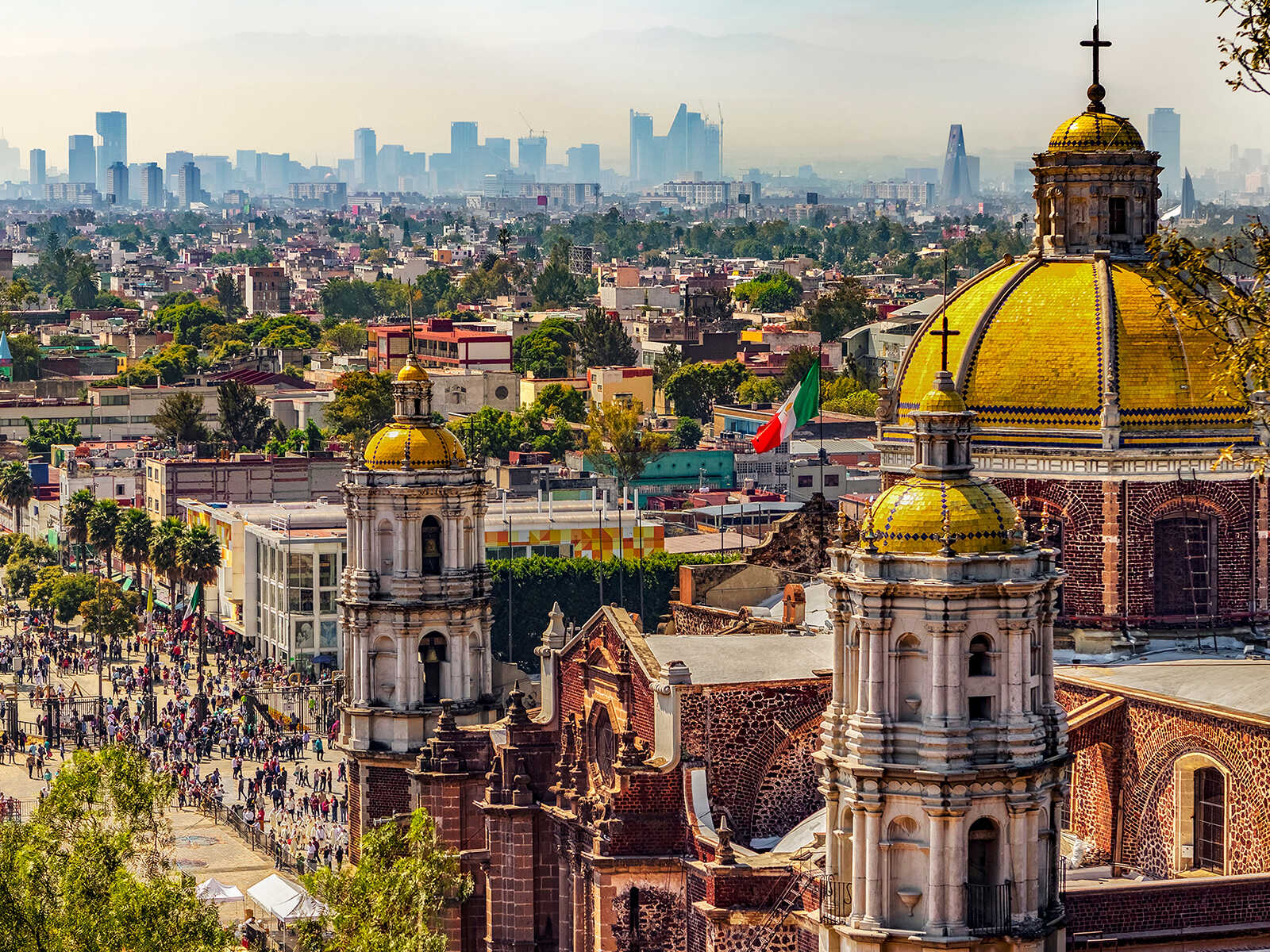
Is Mexico Safe? Essential Safety Tips for Tourists
Mexico, a country renowned for its vibrant culture, stunning landscapes, and delicious cuisine, beckons millions of travelers each year. However, concerns about safety often arise. The truth is, like any large and diverse nation, Mexico presents a varied safety landscape, and with the right preparation and awareness, a safe and unforgettable trip is well within reach.
Understanding Safety in Mexico: A Nuanced View
It's crucial to understand that Mexico is a vast country, and safety conditions can differ dramatically from one region to another. Blanket statements about its safety are often misleading. While certain areas face challenges, popular tourist destinations are generally well-prepared to welcome visitors, with local authorities often prioritizing the safety and security of travelers.
Fact:Tourism is a cornerstone of the Mexican economy, directly employing millions and indirectly supporting countless more. This economic reliance often translates into robust security measures in popular tourist zones.
Common Safety Concerns and How to Mitigate Them
Petty Crime (Pickpocketing, Scams)
As in any major tourist destination worldwide, petty crime is the most common issue visitors might encounter. Areas with large crowds, such as bustling markets, public transportation hubs, or popular attractions like Mexico City Metropolitan Cathedral or the ancient ruins of Chichén-Itzá, can be targets for pickpockets.
- Be Aware:Always be mindful of your surroundings, especially in crowded places.
- Secure Valuables:Use a cross-body bag or money belt. Avoid keeping wallets in back pockets.
- Dress Down:Don't display expensive jewelry, electronics, or large sums of cash. Try to blend in.
- Scam Savvy:Be wary of overly friendly strangers offering unsolicited help or "free" items.
Transportation Safety
Getting around Mexico is generally straightforward, but certain precautions can enhance your safety.
- Taxis & Ride-Shares:In cities like Cancún or Puerto Vallarta, use official airport taxis, hotel-recommended services, or reputable ride-sharing apps (Uber, Didi, Cabify). Avoid hailing random taxis on the street, especially at night.
- Public Transport:Major cities offer extensive public transport (metro, buses). While generally safe during the day, exercise caution during peak hours and avoid less crowded routes at night.
- Driving:If renting a car, stick to major highways and avoid driving at night in unfamiliar or isolated areas. Road conditions can vary, and signage may be in Spanish only. Be aware of speed bumps (topes).
Health and Food Safety
One of the most common travel woes can be an upset stomach. Proper food and water hygiene are paramount.
- Water:Alwaysdrink bottled, purified, or filtered water. Avoid tap water, even for brushing teeth. Most hotels provide purified water.
- Food:
- Eat at reputable restaurants or popular street food stalls with high turnover.
- Opt for cooked food served hot.
- Peel fruits and vegetables yourself or ensure they've been properly washed with purified water.
- Be cautious with salads and uncooked seafood unless you're confident in the establishment.
- Sun Protection:The Mexican sun is intense. Use high-SPF sunscreen, wear hats, and stay hydrated, especially when exploring outdoor sites like Archeological Zone of Tulum or Nevado de Toluca.
Water Activities and Nature
Mexico's natural beauty, from the Agua Azul Waterfalls to the pacific shores of Acapulco Bay, offers endless adventure. Safety in these environments is key.
- Swimming & Snorkeling:Heed local warnings about currents or dangerous marine life. Never swim alone, especially in open water.
- Tour Operators:Choose reputable, certified tour operators for activities like diving, snorkeling around San Miguel de Cozumel, or exploring the famous Marietas Islands.
- Hiking & Exploring:When visiting natural wonders such as Hierve el Agua or Copper Canyon, stay on marked trails and consider hiring a local guide, particularly in remote areas.
Nightlife and Alcohol
Mexico's nightlife, especially in spots like Cancún's hotel zone or Puerto Vallarta's Malecon, can be exhilarating. Exercise caution.
- Drink Responsibly:Know your limits. Over-consumption of alcohol can impair judgment and make you vulnerable.
- Watch Your Drink:Never leave your drink unattended. Accept drinks only from trusted sources.
- Travel in Groups:Stick with friends and ensure everyone has a safe way back to accommodation.
Essential Safety Practices for Every Traveler
Before You Go
- Research:Familiarize yourself with the specific regions you plan to visit, including local customs and any current travel advisories.
- Travel Insurance:Invest in comprehensive travel insurance that covers medical emergencies, trip cancellations, and theft.
- Documents:Make digital and physical copies of your passport, visa, and other important documents. Leave originals in a secure place.
- Itinerary:Share your travel plans with a trusted person back home.
- Basic Spanish:Learn a few basic phrases. Knowing "hello," "please," "thank you," and "help" can go a long way.
While You're There
- Stay Informed:Keep an eye on local news or government travel advisories for your specific location.
- Trust Your Instincts:If a situation or person feels off, remove yourself from it.
- Be Discreet:Avoid flaunting wealth or drawing unnecessary attention to yourself.
- Local Laws & Customs:Respect local laws and cultural norms. For instance, public intoxication is generally frowned upon.
- Emergency Contacts:Know the local emergency number (911 in Mexico) and your country's embassy or consulate contact information.
Specific Regional Considerations
While the tips above apply broadly, it's worth noting regional nuances. The Yucatán Peninsula, home to popular resorts, theme parks like Xcaret Park and Xel-Há Park, and ancient sites like San Juan Teotihuacán, generally boasts a strong tourist infrastructure and visible security. Major cities like Mexico City require urban street smarts similar to any large metropolis globally. More remote or less-traveled destinations, such as Las Pozas or the indigenous communities near Janitzio, might require more careful planning and an understanding of local customs, often best experienced with local guides.
Emergency Information
In case of an emergency in Mexico, dial911. This number connects you to police, ambulance, or fire services. Additionally, know the location and contact details for your country's embassy or consulate in Mexico, as they can provide assistance to citizens in distress.
Conclusion
Is Mexico safe? For the vast majority of tourists visiting popular destinations and practicing sensible travel habits, the answer is a resounding yes. Mexico offers an incredible array of experiences, from ancient pyramids and vibrant cities to serene beaches and breathtaking natural wonders like The Yucatan Coloradas. By being informed, aware, and prepared, you can navigate its diverse landscape confidently and create memories that will last a lifetime.