
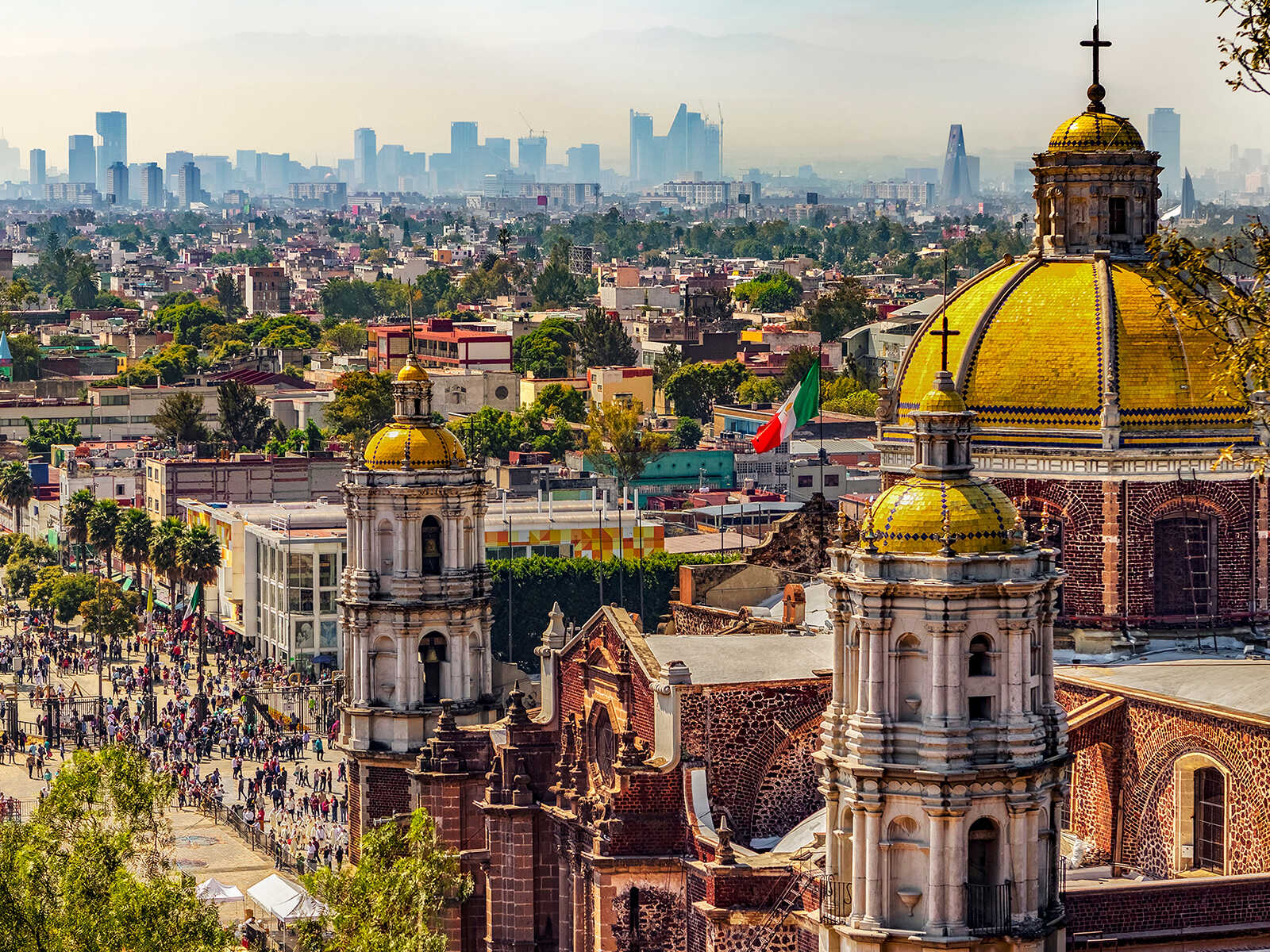
Getting Around Mexico: A Guide to Transportation Options
Navigating Mexico is an exciting part of any adventure, offering a rich tapestry of landscapes and vibrant cultures. Understanding the diverse transportation options available can transform your trip from good to unforgettable, ensuring smooth transitions between bustling cities, serene beaches, and ancient ruins. From efficient long-haul buses to local ride-shares, Mexico provides a mode of transport for every journey and budget.
Navigating Mexico's Diverse Landscape
Mexico's vast and varied geography means that transportation isn't a one-size-fits-all experience. What works best in a sprawling metropolis like Mexico City might be impractical on the remote paths leading to Agua Azul Waterfalls. This guide will help you choose the right wheels, wings, or waves for your Mexican escapade, balancing convenience, cost, and cultural immersion.
Intercity Travel: Covering Longer Distances
For journeys between cities and regions, Mexico offers a robust network of options, catering to different preferences for speed, comfort, and scenic routes.
Buses: The Backbone of Mexican Travel
Mexico's bus system is arguably the most comprehensive and popular way to travel between cities. It's extensive, reliable, and offers various classes to suit every traveler.
- First-Class (Primera Clase) & Executive (Ejecutivo): These are modern, comfortable buses with air conditioning, reclining seats, restrooms, and often onboard entertainment. Companies like ADO, ETN, and Primera Plus operate these routes, connecting major hubs like Cancún, Guadalajara, and Puerto Vallarta. They are a safe and efficient choice for long distances.
- Second-Class (Segunda Clase): These buses are more basic, make more stops, and are generally slower. However, they are significantly more affordable and reach smaller towns not served by first-class lines. They offer a more authentic local experience.
Tip:For popular routes, especially during holidays or weekends, it's wise to book your bus tickets a few days in advance. Many major bus lines have online booking systems.
Domestic Flights: Speed and Convenience
When time is of the essence or distances are vast (e.g., traveling from the Yucatán Peninsula to Baja California), domestic flights are an excellent choice. Mexico has several budget airlines, making internal air travel surprisingly affordable if booked in advance.
- Major airports include Cancún International (CUN),Puerto Vallarta International (PVR), and Mexico City International (MEX).
- Airlines like Aeromexico, Volaris, VivaAerobus, and Magnicharters offer extensive domestic networks.
Rental Cars: Freedom on the Road
Renting a car offers unparalleled flexibility, allowing you to explore at your own pace and reach off-the-beaten-path destinations like Hierve el Agua or the remote parts of the Yucatán. However, there are considerations:
- Insurance:Mandates vary; ensure you have comprehensive coverage, including third-party liability. Many credit card coverages don't apply fully in Mexico.
- Road Conditions:Major highways (cuotas- toll roads) are generally well-maintained, but rural roads can be rough.
- Driving in Cities:Urban driving can be challenging due to heavy traffic, aggressive drivers, and complex road signs.
- Tolls:Keep small bills or pesos handy for toll roads, which are faster and safer than free roads (libres).
Trains: A Niche, Scenic Experience
Passenger rail service in Mexico is limited. The most famous and truly spectacular route is the Copper Canyon Railway (Chepe), offering breathtaking views through the Sierra Madre Occidental. This isn't a general transportation option but rather a unique tourist experience.
Local Transportation: Getting Around Towns and Cities
Once you arrive at your destination, a variety of local transport methods will help you explore.
Taxis and Ride-Sharing Apps
- Taxis:Readily available in most cities. Always agree on a fare before starting your journey, or ensure the meter (taxímetro) is used. For safety, it's often recommended to use official taxi stands (sitios) or radio taxis, especially at night.
- Ride-Sharing Apps:Uber, Didi, and Cabify are popular in major cities like Mexico City,Cancún, and Puerto Vallarta. They offer transparent pricing and a sense of security through GPS tracking and driver ratings. Note that in some areas (e.g., airports), ride-sharing services may face restrictions.
Colectivos and Peseros: Affordable Local Rides
These are shared vans, minibuses, or sometimes even regular cars that operate on fixed routes for a low fare. They are a true local experience and incredibly efficient for short to medium distances.
- Colectivos:Common in the Yucatán Peninsula (e.g., traveling to Archeological Zone of Tulum or Chichén-Itzá) and other regions. You simply flag them down, tell the driver your destination, and pay upon entry or exit.
- Peseros:Primarily found in Mexico City, these are small buses or vans that follow specific routes.
Metro and Metrobús (Mexico City)
Mexico City boasts an extensive and highly efficient public transportation system. The Metro (subway) is one of the busiest in the world, connecting virtually every part of the city, including destinations like San Juan Teotihuacán(via connecting bus) and major attractions. The Metrobús system uses dedicated bus lanes, offering rapid transit above ground.
Fun Fact:The Mexico City Metro often has archaeological artifacts displayed in its stations, uncovered during construction!
Walking and Biking
For exploring charming town centers, markets, or beachfronts, walking is often the best way to soak in the atmosphere. Many cities, particularly those focused on tourism like Puerto Vallarta, have pedestrian-friendly zones. Biking is also gaining popularity, with rental services available in many tourist destinations.
Unique & Experiential Transportation
Ferries and Boats
For island hopping or coastal exploration, ferries are essential. For example, to reach San Miguel de Cozumel from Playa del Carmen, or to visit the stunning Marietas Islands, you'll rely on boat services. River tours are also popular in regions like Chiapas, near destinations such as the Agua Azul Waterfalls.
"Moto-Taxis" and Golf Carts
In smaller towns, especially coastal ones or islands, you might find unique local transport like "moto-taxis" (motorcycle taxis) or golf carts. These are common in places where car traffic is restricted or impractical, offering a fun and often breezy way to get around.
Essential Tips for Smooth Travel
- Safety First:Always be aware of your surroundings, especially when traveling at night. Keep valuables out of sight.
- Learn Basic Spanish Phrases:Even a few words for directions or fares can make a big difference.
- Have Small Bills and Coins:Many local transport options, especially colectivos and taxis, prefer exact change or small denominations.
- Use Offline Maps:Download maps of your destination on your phone (e.g., Google Maps, HERE WeGo) for navigation without data.
- Be Flexible:Sometimes delays happen, or a route might be unexpected. Embrace the journey!
From the extensive bus network connecting ancient sites like Chichén-Itzá to the metro lines zipping across Mexico City, Mexico offers a rich array of transportation options. By understanding and utilizing these choices, you can unlock a deeper, more authentic travel experience, moving seamlessly through this incredibly diverse and captivating country.