
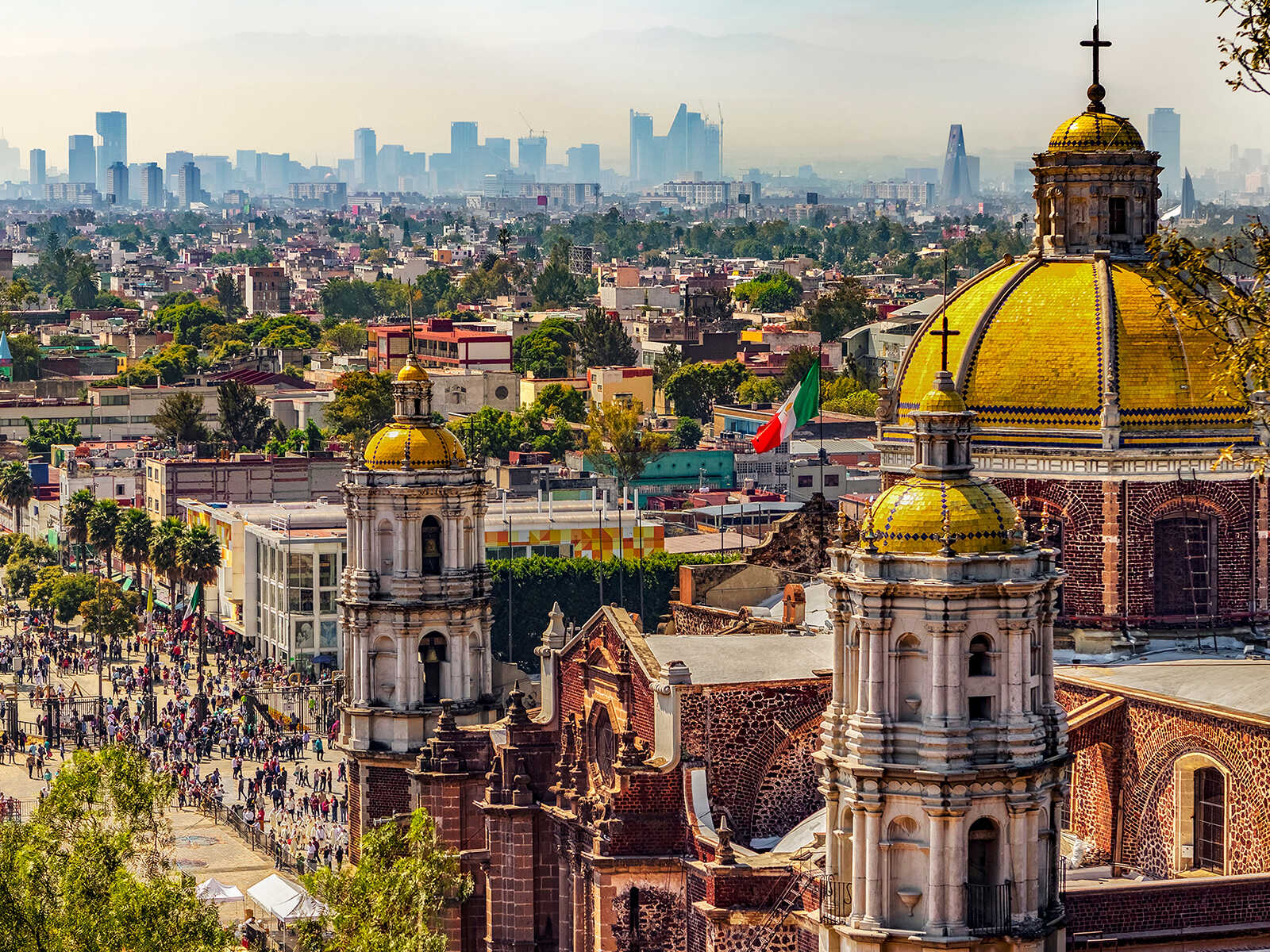
Dia de Muertos in Mexico: A Guide to Experiencing the Day of the Dead
Dia de Muertos, or Day of the Dead, is one of Mexico's most iconic and deeply cherished traditions, a vibrant celebration of life and remembrance. Far from a somber occasion, it's a joyous time when families welcome back the spirits of their deceased loved ones for a brief, magical reunion. This guide will walk you through the essential aspects of experiencing this extraordinary cultural event.
What is Dia de Muertos? More Than Just a Holiday
Dia de Muertos is an ancient Mesoamerican tradition, blended with Catholic beliefs, that honors the deceased. Rooted in indigenous cultures like the Aztec, Maya, and Purepecha, it predates the arrival of the Spanish. Unlike Halloween, which often focuses on fear and ghosts, Dia de Muertos is about celebrating the lives of those who have passed, believing their spirits return to visit their families.
It's a testament to the enduring bond between the living and the dead, a time when the veil between worlds thins, allowing for a heartwarming connection. Families spend days preparing, ensuring everything is perfect for their loved ones' spiritual journey home.
“Dia de Muertos is not a Mexican version of Halloween. Though related, the two holidays differ greatly in traditions and tone. Halloween is a dark night of terror and mischief, while Day of the Dead festivities unfold over two days in an explosion of color and life-affirming joy.”
When to Experience Dia de Muertos?
While preparations for Dia de Muertos begin weeks in advance, the core celebrations traditionally take place over three main days:
- October 31st:This is often a day of preparation, with families setting up theirofrendas(altars) and making final touches. Some traditions believe the spirits of children who died before baptism (angelitos) may begin to return this evening.
- November 1st:Known asDia de los InocentesorDia de los Angelitos, this day is dedicated to deceased infants and children.
- November 2nd:The main day of celebration, when the spirits of deceased adults are welcomed back. Many communities hold vigils and gatherings in cemeteries on this night.
However, many towns and cities extend festivities, with parades, concerts, and cultural events starting several days before and sometimes lasting through the weekend following November 2nd.
Key Elements of a Dia de Muertos Celebration
Understanding the symbolism behind the various elements is key to appreciating the richness of Dia de Muertos.
Ofrendas (Altars)
The heart of any Dia de Muertos celebration is theofrenda, a carefully constructed altar in homes, public spaces, and cemeteries. These altars are adorned with items intended to welcome and nourish the returning spirits.
- Photos:Pictures of the deceased.
- Favorite Foods & Drinks:Dishes and beverages the loved one enjoyed in life.
- Cempasúchil (Marigolds):Bright orange and yellow flowers whose strong scent and vibrant color are believed to guide spirits home.
- Candles:To illuminate the path for the spirits.
- Calaveras (Sugar Skulls):Colorful sugar or clay skulls, often personalized with names, symbolizing death and rebirth.
- Papel Picado:Delicately cut tissue paper banners representing the fragility of life and the union of life and death.
- Copal Incense:A resin burned to purify the air and carry prayers to the heavens.
Cempasúchil (Marigolds)
These beautiful, pungent flowers are ubiquitous during Dia de Muertos. Their bright colors and distinct aroma are believed to create a sensory pathway, guiding the spirits from the cemetery back to their family homes andofrendas.
Calaveras (Skulls)
Skulls are a prominent motif, appearing in many forms. Beyond the edible sugar skulls, the elegant skeletal figure of La Calavera Catrina, created by cartoonist José Guadalupe Posada, has become an iconic symbol of the holiday, representing the celebration of life and the acceptance of mortality.
Pan de Muerto
This sweet, often orange-blossom-flavored bread is a special treat prepared for Dia de Muertos. Its round shape often symbolizes the skull, with strips of dough representing bones or tears. It's placed onofrendasand shared among families.
Cemeteries (Panteones)
Visiting cemeteries is a central tradition. Families clean and decorate graves with flowers, candles, food, and personal items. In many communities, especially on November 2nd, families gather in cemeteries overnight, sharing meals, playing music, and telling stories, turning the graveyard into a place of joyful reunion.
Parades and Festivities
While the most profound aspects of Dia de Muertos are often intimate family affairs, many cities host grand parades and public celebrations. These can range from solemn processions to vibrant, costume-filled spectacles, showcasing the rich artistic and cultural interpretations of the holiday.
Where to Experience Dia de Muertos in Mexico
While Dia de Muertos is celebrated throughout Mexico, some destinations are renowned for their particularly vibrant and authentic observances.
Oaxaca
Oaxaca City is famous for its elaborateofrendas, livelycomparsas(carnival-like parades with music and costumes), and impressive sand tapestries. The markets buzz with activity, and the cemeteries, especially Panteón General, become mesmerizing scenes of light and celebration.
Pátzcuaro and Janitzio
In the state of Michoacán, the towns around Lake Pátzcuaro, particularly Janitzio island, offer one of the most iconic Dia de Muertos experiences. The Purepecha indigenous people hold deeply traditional ceremonies, with fishermen lighting up the lake with candles to guide spirits and families holding candlelit vigils in the island cemetery. It's a truly moving spectacle.
Mexico City
The capital city hosts an impressive Grand Day of the Dead Parade, a relatively modern addition inspired by the James Bond film "Spectre," but now a major event. Beyond the parade, you can find beautiful public altars, cultural events, and visit the Mexico City Metropolitan Cathedral area for related festivities. Mixquic, a small town on the outskirts, offers a more traditional cemetery celebration.
San Miguel de Allende
Known for its colonial charm, San Miguel de Allende celebrates Dia de Muertos with the "La Calaca" festival, featuring art installations, workshops, and parades. The town embraces the holiday with vibrant decorations and community events. While there, you might also consider a visit to the Monumento al Pipila Guanajuato for panoramic views of the nearby city of Guanajuato, which also holds its own unique celebrations.
Riviera Maya and Yucatán Peninsula
In the Yucatán Peninsula, Dia de Muertos is also celebrated asHanal Pixán, or "Food for the Souls," with distinct Mayan traditions.Xcaret Park hosts its annual "Festival of Life and Death Traditions," a highly recommended event showcasing the region's unique customs, music, and cuisine. While exploring the area, consider a visit to the ancient Mayan ruins of Chichén-Itzá or the beautiful island of San Miguel de Cozumel for a broader understanding of Mayan culture.
Tips for Travelers: Respectful Engagement
To ensure a meaningful experience, approach Dia de Muertos with respect and cultural sensitivity:
- Ask Permission:Always ask before taking photos of people, privateofrendas, or families in cemeteries. A simple "¿Puedo sacar una foto?" (Can I take a photo?) goes a long way.
- Dress Respectfully:Especially when visiting cemeteries or churches, opt for modest attire.
- Observe, Don't Intrude:Remember that many celebrations, particularly in cemeteries, are deeply personal family gatherings. Observe from a distance and avoid disrupting their sacred rituals.
- Book in Advance:Accommodations and transport fill up quickly during this popular period. Book well ahead, especially for smaller towns.
- Try Local Delicacies:Samplepan de muerto, hot chocolate, and the specific foods prepared for the holiday.
- Learn Basic Spanish:Even a few phrases will enhance your interactions and show respect.
A Journey of Remembrance and Celebration
Dia de Muertos is a profoundly beautiful and moving experience, offering a unique insight into Mexican culture and its relationship with life and death. It's a time of vibrant colors, fragrant flowers, delicious foods, and heartfelt remembrance. By understanding and respecting its traditions, you can partake in a truly unforgettable journey of connection and celebration.