
Day of the Dead in Mexico: Best Places to Celebrate
Día de Muertos, or Day of the Dead, is one of Mexico's most iconic and deeply meaningful celebrations, a vibrant testament to life's cyclical nature and the enduring bond with ancestors. Far from a somber occasion, this UNESCO-recognized tradition is a joyful remembrance, filled with color, music, and delicious food, inviting the spirits of the departed back for a temporary reunion with their families. If you're planning to experience this unique cultural phenomenon, knowing where to go can make all the difference in appreciating its diverse expressions.
Understanding Day of the Dead Traditions
Celebrated primarily from October 31st to November 2nd, Día de Muertos is a rich tapestry of pre-Hispanic beliefs intertwined with Catholic observances. Families meticulously prepare to welcome their loved ones' spirits home, creating intricate altars known asofrendas. These altars are adorned with photographs, favorite foods and drinks of the deceased, candles, sugar skulls (calaveras de azúcar), and vibrant marigold flowers (cempasúchil), whose scent is believed to guide spirits back.
The celebrations often extend to cemeteries, where families clean and decorate gravesites, holding vigils that can last through the night. Public spaces come alive with parades featuring larger-than-life skeletons and Catrinas, art exhibitions, and traditional music and dance. It's a time for reflection, storytelling, and celebrating the lives of those who have passed, acknowledging death as a natural part of the human experience.
Top Destinations for Día de Muertos Celebrations
Oaxaca City, Oaxaca
Oaxaca is arguably one of the most authentic and visually stunning places to experience Día de Muertos. The city's deep indigenous roots and strong cultural identity create an incredibly rich and heartfelt celebration.
- Cemetery Vigils:Visit local cemeteries like Panteón General (San Miguel) or Xoxocotlán, especially on the night of November 1st and 2nd. Families gather to clean and decorate graves, sharing food, music, and memories under a canopy of candlelight.
- Comparsas:These spontaneous, often costume-filled parades or street parties, move through neighborhoods accompanied by live music, creating a festive atmosphere.
- Ofrendas and Sand Tapestries:Explore the city center and surrounding villages to witness elaborate altars and intricate sand tapestries (tapetes de arena) that depict religious or cultural scenes.
- Mercados:Local markets buzz with activity, selling marigolds, pan de muerto, sugar skulls, and traditional crafts.
Pátzcuaro & Janitzio, Michoacán
The Purepecha traditions around Lake Pátzcuaro, particularly on the island of Janitzio, offer an exceptionally spiritual and mystical Day of the Dead experience. This region is famous for its nighttime canoe processions and lakeside cemetery vigils.
- Night of the Dead (Noche de Muertos):On the night of November 1st, fishermen in traditional canoes adorned with candles paddle across Lake Pátzcuaro towards Janitzio island, creating a mesmerizing spectacle.
- Cemetery Vigils on Janitzio:The island's cemetery transforms into a sacred space, with graves meticulously decorated and families holding vigils throughout the night, often accompanied by traditional Purepecha chants and music.
- Tzintzuntzan:The nearby town of Tzintzuntzan also hosts impressive cemetery celebrations and crafts markets.
"The flickering candles on Lake Pátzcuaro during Día de Muertos are not just beautiful; they symbolize the guiding light for returning spirits, making it an unforgettable spiritual journey."
Mexico City
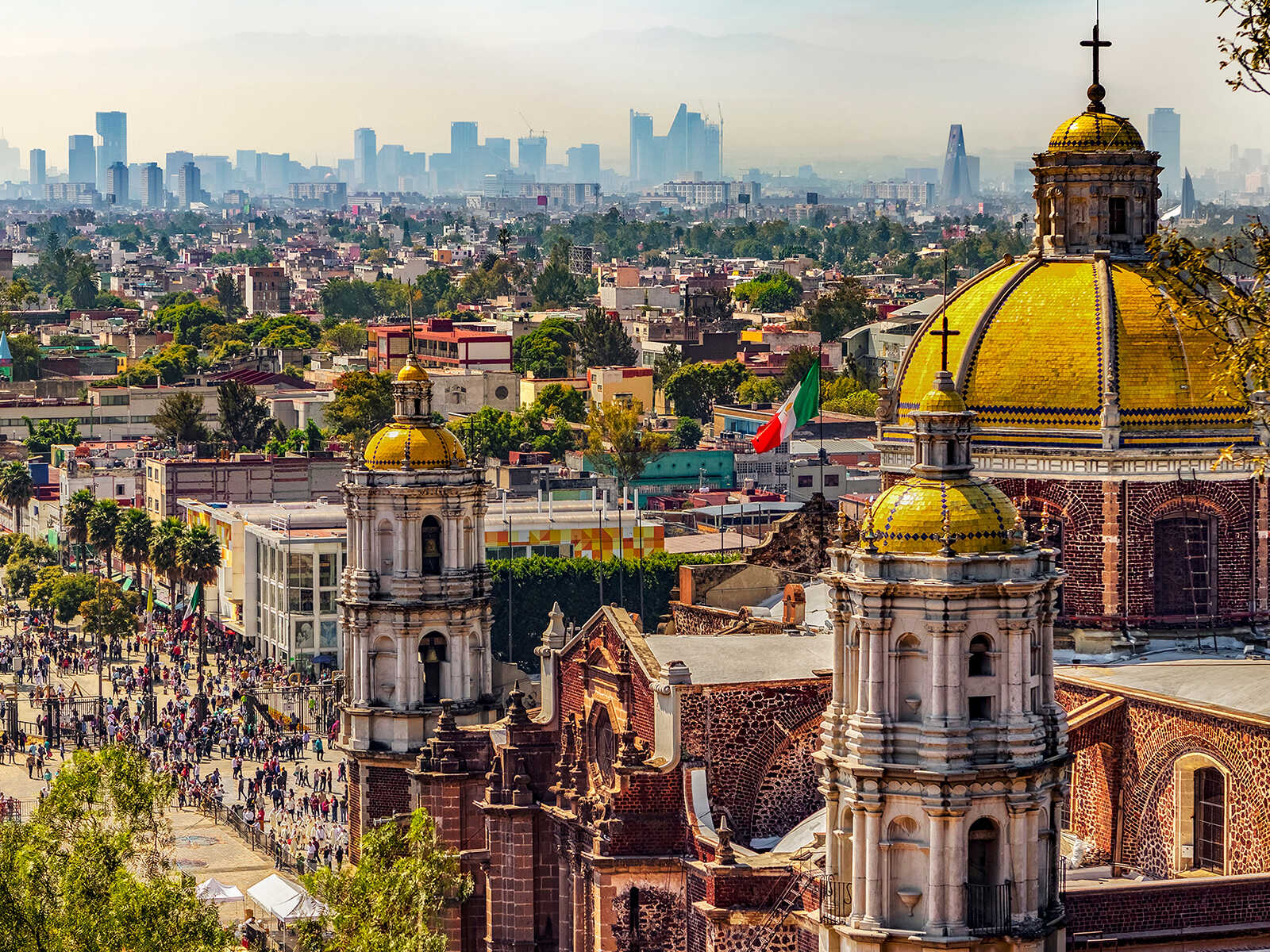
Mexico City offers a grand-scale Day of the Dead experience, blending traditional elements with a modern, metropolitan flair. The capital hosts some of the largest and most spectacular public events.
- Grand Parade (Desfile de Día de Muertos):Inspired by the James Bond film "Spectre," this massive parade features giant calaveras, elaborate floats, and thousands of costumed participants. It typically takes place on the Saturday before Día de Muertos, transforming Paseo de la Reforma into a river of color and sound.
- Ofrenda Monumental:The Zócalo (main square) hosts a colossal public altar, often dedicated to historical figures or specific themes, which is a must-see.
- Mixquic:For a more traditional, albeit crowded, experience, the town of San Andrés Mixquic on the outskirts of Mexico City is renowned for its "Alumbrada" (illumination) in the cemetery on November 2nd.
- Coyoacán & San Ángel:These charming neighborhoods host smaller, but equally vibrant, celebrations with decorated plazas, altars, and cultural events. You can also explore nearby cultural sites like the Mexico City Metropolitan Cathedral for a deeper dive into the city's history.
San Miguel de Allende, Guanajuato
Known for its artistic community and colonial charm, San Miguel de Allende offers a sophisticated yet deeply traditional Day of the Dead celebration, often centered around its La Calaca Festival.
- La Calaca Festival:This multi-day arts and culture festival coincides with Día de Muertos, featuring art installations, workshops, performances, and parades, all with a focus on the themes of life and death.
- Parade of Catrinas:One of the highlights is the elegant parade where participants dress as the iconic Catrina (the elegant skeleton lady), often with elaborate makeup and costumes.
- Public Ofrendas:The city's main square, El Jardín, and many hotels and public buildings display beautiful altars. The city's artistic residents create unique and visually stunning displays. You can also visit the Monumento al Pipila Guanajuato for panoramic views of the city's festive decorations.
Yucatán Peninsula (e.g., Mérida & Xcaret Park)
While the Yucatán Peninsula has its own distinct Day of the Dead celebration calledHanal Pixán(Food for the Souls) with unique Mayan traditions, it also offers compelling experiences for visitors.
- Mérida:The capital of Yucatán hosts a "Paseo de las Ánimas" (Parade of Souls), where thousands participate in traditional Yucatecan attire, with painted faces resembling skulls, walking through the historic center. Traditional Hanal Pixán altars are displayed throughout the city.
- Xcaret Park:This eco-archaeological park offers a large-scale "Festival of Life and Death Traditions," showcasing the customs of various Mexican states, with performances, gastronomy, and elaborate altars. It's a fantastic way to experience a broad spectrum of Mexican Día de Muertos traditions in one place.Xcaret Park provides a curated, family-friendly experience, as does its sister park Xel-Há Park which focuses on natural beauty. Nearby, visitors can also explore the ancient Mayan city of Chichén-Itzá, adding a historical dimension to their trip.
Tips for Travelers
- Book Early:Día de Muertos is a popular time to visit, especially in key destinations. Flights and accommodations fill up quickly.
- Dress Respectfully:While it’s a festive time, remember it’s also a sacred observance. Wear respectful attire, especially when visiting cemeteries.
- Ask Before Photographing:Always ask permission before taking photos of people or their private altars. A simple "¿Puedo sacar una foto?" (May I take a photo?) goes a long way.
- Learn Basic Spanish:Even a few phrases will enhance your experience and interactions with locals.
- Embrace the Food:Don't miss out on seasonal delights likepan de muerto, mole, tamales, andcalaveras de azúcar.
- Be Prepared for Crowds:Popular events and cemeteries will be crowded. Be patient and mindful of your surroundings.
Experiencing Day of the Dead in Mexico is more than just witnessing a celebration; it's an opportunity to connect with a profound cultural philosophy that honors life, death, and remembrance. Each region offers a unique lens through which to view this beautiful tradition, promising an unforgettable journey.