
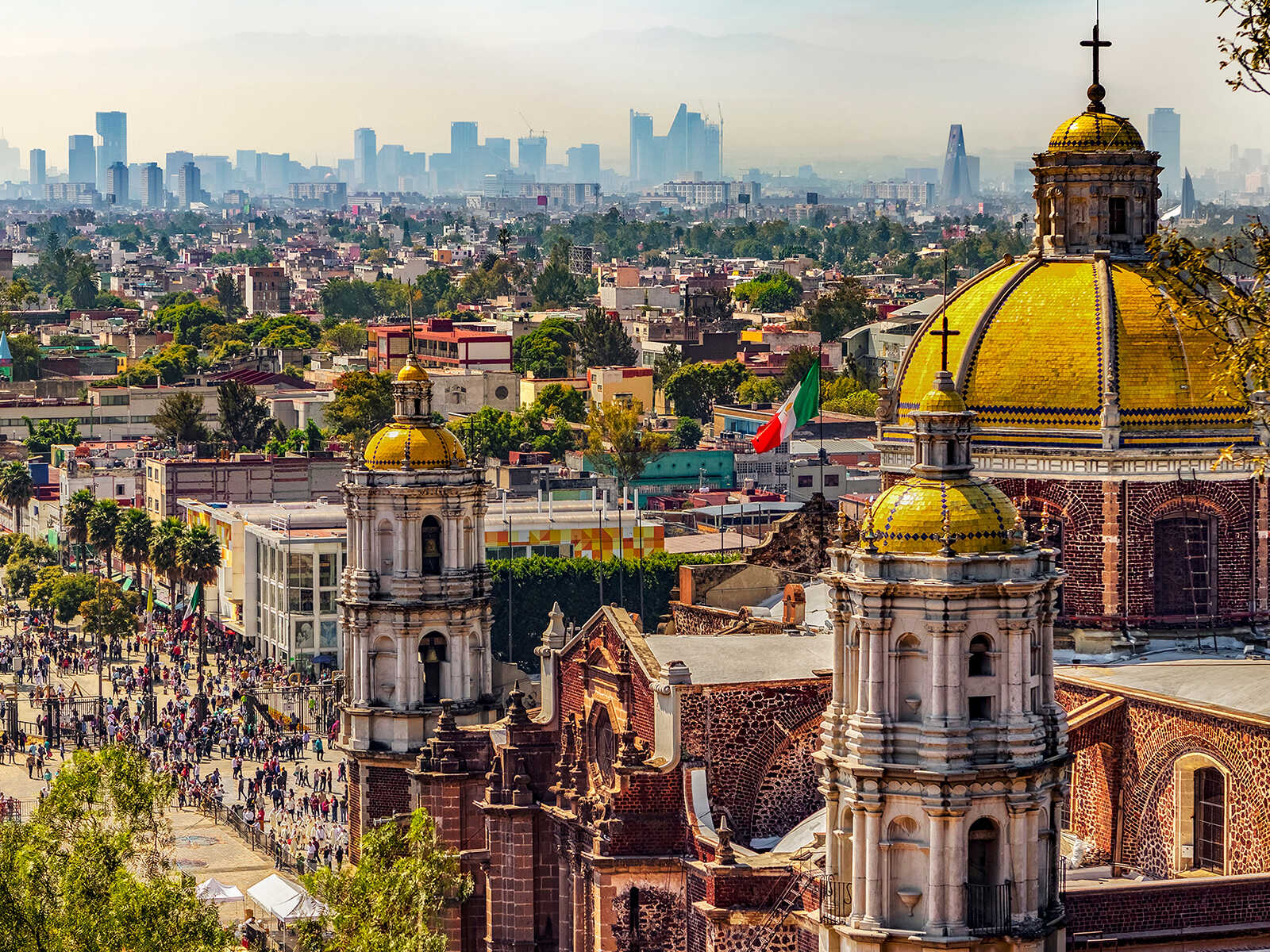
Best Time to Visit Mexico: Beach vs Inland Weather Guide
Mexico, a vibrant tapestry of diverse landscapes and rich culture, offers an incredible array of travel experiences. However, its vast geographical span means that the ideal time to visit can vary dramatically depending on whether you're dreaming of sun-drenched beaches or exploring ancient ruins in the cool highlands. Understanding Mexico's distinct climate zones is key to planning your perfect trip.
Understanding Mexico's Climate Zones
Mexico's climate is influenced by its latitude, altitude, and proximity to oceans. Generally, the country experiences two main seasons: a dry season and a wet season.
- Dry Season (November to April):Characterized by sunny skies, lower humidity, and more moderate temperatures across most regions. This is widely considered the peak tourist season.
- Wet Season (May to October):Brings higher humidity and more frequent rainfall, often in the form of afternoon showers or tropical storms. While less popular, it offers lush landscapes and fewer crowds.
Coastal areas tend to be hotter and more humid, while inland regions, especially at higher altitudes, enjoy a more temperate climate year-round. Northern desert regions can experience extreme temperatures, both hot and cold, depending on the season.
Best Time for Mexico's Beaches (Coastal Regions)
Mexico's stunning coastline, from the Caribbean Sea to the Pacific Ocean, is a magnet for beach lovers. The weather here is largely dictated by the dry and wet seasons, with hurricane season being a key consideration.
Dry Season (November to April)
This period is unequivocally the most popular time to visit Mexico's beaches. You can expect:
- Weather:Abundant sunshine, low humidity, and comfortable temperatures ranging from the mid-70s to high 80s Fahrenheit (24-31°C). The evenings are pleasantly cool.
- Crowds & Vibe:This is peak season, so expect higher hotel rates, more crowded beaches, and bustling tourist areas in destinations like Cancún, the Riviera Maya (including the Archeological Zone of Tulum and nearby Xcaret Park and Xel-Há Park),San Miguel de Cozumel,Puerto Vallarta, and Acapulco Bay.
- Activities:Perfect conditions for swimming, snorkeling, diving, sunbathing, and exploring marine life around places like the Marietas Islands.
Wet Season (May to October)
Don't let the "wet season" deter you entirely; it has its own charm and benefits, though it coincides with hurricane season.
- Weather:Temperatures are warmer, often reaching the low 90s Fahrenheit (32-34°C), with higher humidity. Rain showers are common, usually brief afternoon downpours that quickly clear, leaving behind fresh, lush scenery.
- Hurricane Season:Officially runs from June 1 to November 30, with the highest risk in September and October. The Caribbean coast (Yucatán Peninsula) is more susceptible than the Pacific coast. While direct hits are rare, tropical storms can bring several days of heavy rain and strong winds. Travel insurance is highly recommended during this period.
- Crowds & Vibe:Fewer tourists, quieter beaches, and often significantly lower prices on accommodation and flights.
- Activities:Still great for water activities, as the ocean remains warm. The brief showers can be a welcome cool-down.
Shoulder Seasons (Late April/Early May, Late October/Early November)
These transitional periods offer a sweet spot for beach vacations:
- Benefits:You'll often find excellent weather with fewer crowds and better value than the peak dry season. The hurricane risk is lower than mid-season, and the intense heat of summer hasn't fully set in (or has begun to recede).
Best Time for Mexico's Inland Regions (Central Highlands, Southern Highlands, Northern Deserts)
Inland Mexico, with its bustling cities, ancient ruins, and stunning natural wonders, offers a different climatic experience.
Central Highlands (Mexico City, San Miguel de Allende, Guanajuato)
Due to their high altitude, cities like Mexico City,Guanajuato, and San Miguel de Allende enjoy a temperate climate year-round.
- Dry Season (November to April):Pleasant, sunny days with average temperatures in the 70s Fahrenheit (21-26°C), and cool evenings that might require a light jacket. Ideal for exploring cultural sites, colonial cities, and archaeological zones like San Juan Teotihuacán.
- Wet Season (May to October):Expect warm mornings followed by afternoon showers. The rain typically lasts an hour or two and often brings a refreshing coolness. Landscapes become incredibly green and vibrant. High-altitude locations like Nevado de Toluca can be quite cold, even seeing snow in winter months.
Travel Tip:When visiting high-altitude destinations like Mexico City (over 7,300 feet), allow a day or two to acclimate to the elevation before engaging in strenuous activities.
Southern Highlands (Oaxaca, Chiapas)
This region shares similar seasonal patterns with the Central Highlands but generally maintains warmer temperatures.
- Dry Season (November to April):Excellent for exploring Oaxaca's culinary scene, indigenous markets, and natural wonders like Hierve el Agua. Days are warm and sunny, with cooler nights. The small island of Janitzio in Michoacán also thrives during this period, especially around Day of the Dead.
- Wet Season (May to October):While humid, the afternoon rains bring life to the region's lush forests and spectacular waterfalls like Agua Azul Waterfalls. This is a fantastic time for nature photography. However, some remote roads, especially to sites like Paraiso Maya Palenque, can become muddy and less accessible.
Northern Deserts & Mountains (Copper Canyon)
The vast northern regions, including the dramatic Copper Canyon, experience more extreme temperature swings.
- Spring (March-May) & Fall (September-November):These are the ideal times for comfortable temperatures, perfect for hiking and exploring.
- Summer (June-August):Extremely hot, especially in desert areas.
- Winter (December-February):Can be quite cold, with freezing temperatures and even snow at higher elevations within the canyon.
Yucatán Peninsula Inland (Chichén Itzá, Mérida)
While geographically inland, this region shares some climatic characteristics with the coastal areas, being generally hot and humid.
- Dry Season (November to April):Less humid and slightly cooler, making it the most comfortable time to explore ancient Mayan cities like Chichén-Itzá and the colonial charm of Mérida. You might also find unique natural phenomena like The Yucatan Coloradas to be very photogenic.
- Wet Season (May to October):Very hot and humid, with frequent afternoon thunderstorms. Early mornings are best for sightseeing to avoid the heat and rain.
Key Considerations for Your Trip
- Crowds and Festivals:The dry season coincides with major holidays (Christmas, New Year's, Easter/Semana Santa) and school breaks, leading to higher prices and larger crowds. Conversely, the wet season offers a more tranquil experience.
- Hurricane Season:If traveling to coastal areas between June and November, consider travel insurance and stay updated on weather forecasts.
- Rainy Season Perks:Lush green landscapes, fewer tourists, and often lower prices make the wet season appealing for budget travelers or those seeking solitude. The rains are often short bursts, not all-day downpours.
- Altitude Sickness:Be mindful of higher elevations in the central highlands. Stay hydrated and take it easy for your first day or two.
Making Your Decision: A Quick Guide
- For Beach Lovers:
- November to April:Best for guaranteed sunshine, calm seas, and comfortable temperatures.
- May or October/November:Good for fewer crowds and better value, with generally pleasant weather before or after peak hurricane season.
- For Culture & City Explorers:
- November to April:Ideal for comfortable sightseeing in cities and archaeological sites, especially in the central and southern highlands.
- May to October:Still good, but be prepared for afternoon showers and higher humidity, especially in the Yucatán.
- For Nature & Adventure Seekers:
- Waterfalls (e.g., Agua Azul):Wet season for the most impressive flow.
- Hiking (e.g., Copper Canyon, Nevado de Toluca):Spring and fall offer the most comfortable temperatures.
- Unique natural sites (e.g.,Las Pozas):Can be visited year-round, but dry season is often more comfortable for exploring.
Ultimately, Mexico is a year-round destination, but the "best" time to visit truly depends on your priorities and the type of experience you seek. By understanding the distinct weather patterns of its diverse regions, you can tailor your trip to perfectly match your travel dreams.