
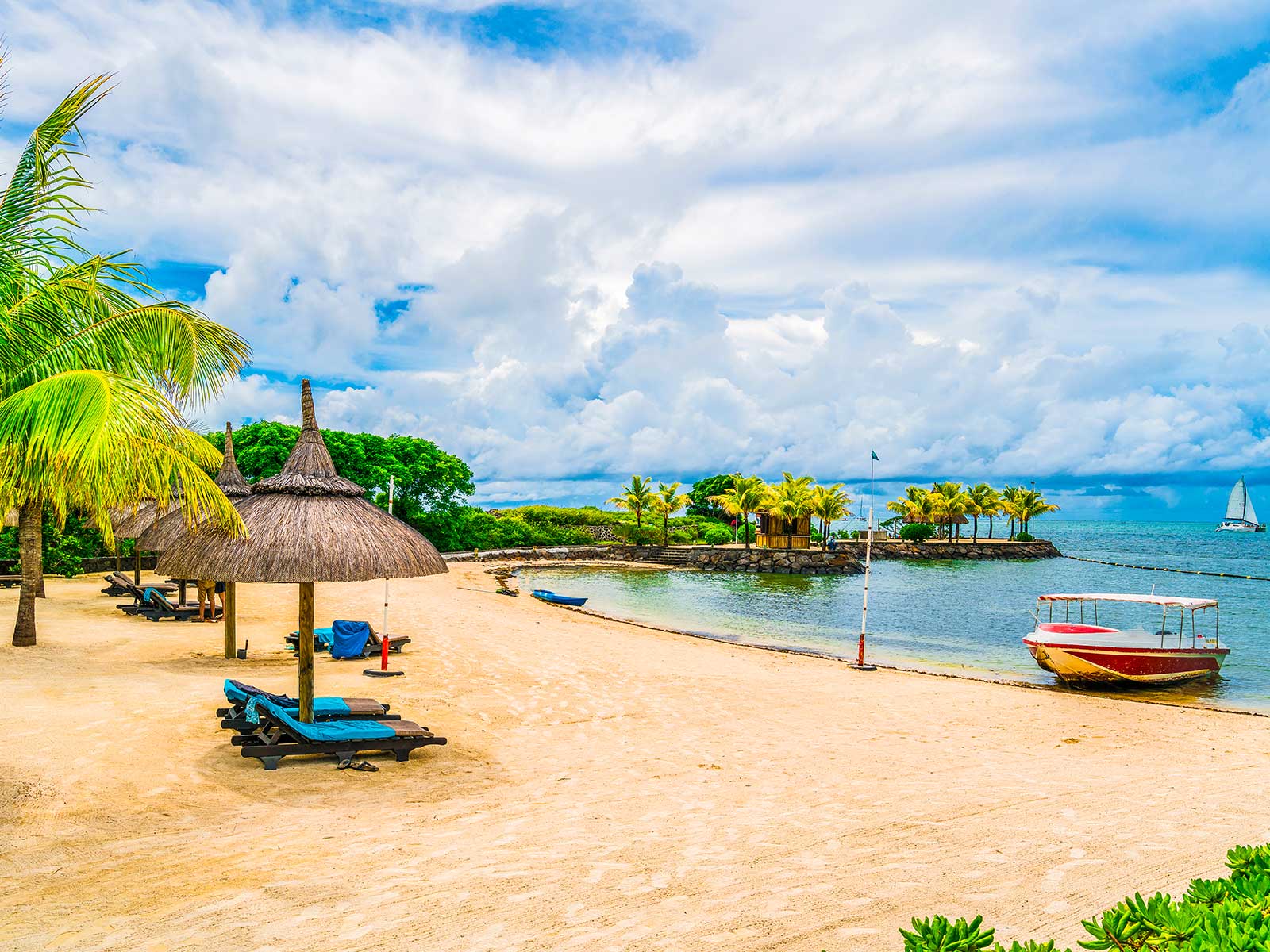
Mauritius Weather by Month: A Traveler's Guide to Seasons
Mauritius, a pearl in the Indian Ocean, captivates visitors with its pristine beaches, lush landscapes, and vibrant culture. Understanding the island's weather patterns is key to planning the perfect trip, ensuring you experience its magic under the most ideal conditions.
Nestled in the tropics, Mauritius enjoys a year-round warm climate, primarily characterized by two distinct seasons: a hot, wet summer and a warm, dry winter. While temperatures remain invitingly pleasant throughout the year, subtle shifts in rainfall, humidity, and wind can significantly influence your travel experience.
Understanding Mauritius's Climate
Mauritius experiences a tropical maritime climate. This means warm temperatures prevail year-round, moderated by southeast trade winds. The island's seasons are generally defined by rainfall and humidity rather than drastic temperature changes.
- Summer (November to April):Characterized by hot, humid weather and higher rainfall, especially from January to March. Temperatures typically range from 25°C to 33°C. This is also the cyclone season, though direct hits are infrequent.
- Winter (May to October):Cooler, drier, and less humid. Temperatures range from 18°C to 25°C. This period offers pleasant conditions ideal for outdoor activities.
Mauritius Weather by Month: A Detailed Breakdown
November: The Start of Summer
As summer gently begins, November offers a beautiful transition. Temperatures rise to comfortable highs of around 28-30°C, with pleasant evenings. Rainfall is moderate, primarily in short, refreshing bursts. Sea temperatures are perfect for swimming and snorkeling. It's an excellent month to enjoy the beaches like Flic en Flac Beach and explore the island before the peak season crowds arrive.
December: Festive Warmth
December ushers in hotter weather, with daily averages around 28-32°C. Humidity increases, and while rainfall becomes more frequent, showers are usually short-lived. This month is popular for holidaymakers, offering warm waters for diving and snorkeling. Expect higher tourist numbers, especially towards the end of the month for Christmas and New Year celebrations.
January: Peak Summer & Humidity
January is one of the hottest and most humid months, with temperatures often reaching 30-33°C. Rainfall is at its highest, contributing to the island's lush greenery. While it's officially cyclone season (which extends to March), severe storms are rare. The warm ocean is ideal for water sports, and the vibrant landscapes of Black River Gorges National Park are particularly stunning after the rains.
February: Hot, Humid, and Lush
Similar to January, February is hot and humid, with average temperatures remaining high (29-32°C) and consistent rainfall. The air feels heavy, but the island's natural beauty thrives. It's a prime time for tropical fruit and experiencing the waterfalls like Rochester Falls or Tamarind Falls in their full glory. Always be aware of weather advisories during this period.
Travel Tip:During the summer months, especially January to March, pack light, breathable clothing, sun protection, and insect repellent. Stay hydrated!
March: Waning Summer Heat
March sees a slight decrease in both temperature and humidity compared to the peak summer months, though it remains warm (28-31°C). Rainfall starts to subside, making it a good time for those who prefer warmth without the intensity of January and February. The vibrant festivals of Maha Shivaratree often fall in February or March, offering a unique cultural experience at sites like Grand Bassin.
April: A Pleasant Transition
April is a sweet spot, offering a comfortable transition out of summer. Temperatures are warm but less oppressive (26-29°C), and humidity drops significantly. Rainfall is considerably lower, making it excellent for outdoor activities, from exploring the Seven Coloured Earths to relaxing on Pereybere beach. Sea conditions are generally calm and perfect for swimming.
May: The Start of Winter – Arguably the Best Month
Many consider May to be one of the best months to visit Mauritius. The weather is wonderfully pleasant, with average temperatures ranging from 22-26°C. Humidity is low, and rainfall is minimal. It's ideal for all activities, from hiking in Ebony Forest Reserve to diving in crystal-clear waters. The southeast trade winds are typically gentle at this time.
June: Cool, Dry, and Breezy
June continues the trend of excellent weather. Temperatures average 20-25°C, making it comfortably cool, especially in the evenings. The air is dry, and sunny days are plentiful. The southeast trade winds pick up slightly, providing a refreshing breeze, particularly on the eastern and southern coasts. This is a fantastic time for golfers and those looking for active holidays.
July: The Coolest Month
July is typically the coolest month in Mauritius, with temperatures ranging from 18-24°C. The southeast trade winds are strongest, making the east and south coasts quite breezy, sometimes even windy, which is perfect for kitesurfing and windsurfing in specific spots like near Le Morne beach. The west and north coasts remain more sheltered and slightly warmer. Rainfall is very low.
August: Dry, Breezy, and Whale Watching
August mirrors July in terms of temperature (18-24°C) and dryness, with strong southeast trade winds. This is a prime month for whale watching as humpback whales migrate through the waters around Mauritius. It's also an excellent time for hiking and exploring inland attractions like the Sir Seewoosagur Ramgoolam Botanical Garden without the heat and humidity of summer.
Did You Know?The southeast trade winds are a key feature of Mauritius's winter, making the east and south coasts popular with wind sports enthusiasts while the west and north remain calmer.
September: Warming Up, Still Dry
September offers a delightful transition, with temperatures gradually rising (20-26°C) while maintaining low humidity and minimal rainfall. The trade winds begin to ease. This is another highly recommended month for visiting, as conditions are superb for all activities, from beach relaxation on Ile Aux Cerfs to exploring nature parks like La Vallee Des Couleurs Nature Park.
October: Nearing Summer Perfection
October is arguably one of the best months, just before the full onset of summer. Temperatures are comfortably warm (23-28°C), humidity is low, and rainfall is scarce. The sea is warm and inviting, making it perfect for swimming, snorkeling, and diving. It's an ideal month for those seeking warm, sunny weather without the peak summer humidity or winter breezes.
Regional Weather Variations
While Mauritius is a small island, its topography means weather can vary slightly:
- West and North Coasts:Generally warmer and drier, more sheltered from the southeast trade winds during winter. Ideal for calm beaches and snorkeling.
- East and South Coasts:Tend to be breezier, especially during winter (July-August), which can be refreshing but also mean slightly choppier seas. Popular for kitesurfing and windsurfing.
- Central Plateau:Slightly cooler and wetter due to higher elevation. Areas like Curepipe often experience more rainfall.
What to Pack for Your Mauritius Trip
- Summer (November-April):Light, breathable clothing (cotton, linen), swimwear, wide-brimmed hat, sunglasses, high-SPF sunscreen, insect repellent, light rain jacket or umbrella.
- Winter (May-October):Light clothing for daytime, a light jacket or cardigan for cooler evenings, swimwear, sun protection. If planning to hike in the central highlands, consider light waterproofs.
When is the Best Time to Visit Mauritius?
The "best" time depends on your priorities:
- For overall pleasant weather (beaches, activities):May to JuneandSeptember to Octoberare often cited as ideal, offering warm, dry, and less humid conditions.
- For budget travelers or fewer crowds:The shoulder months of November and April, or even parts of the summer (excluding peak holiday weeks), can offer value, though with higher humidity and rain.
- For divers and snorkelers:The warmer months (November to April) offer excellent visibility and calm waters, though marine life is abundant year-round.
- For hikers and nature lovers:The cooler, drier winter months (May to October) are perfect for exploring sites like La Vanille Nature Park or the François Leguat Giant Tortoise and Cave Reserve, as well as the numerous trails.
- For wind sports enthusiasts:July to August offers the strongest trade winds on the east and south coasts.
No matter when you choose to visit, Mauritius promises an unforgettable tropical escape. By understanding its seasonal nuances, you can tailor your itinerary to make the most of this magnificent island paradise.