
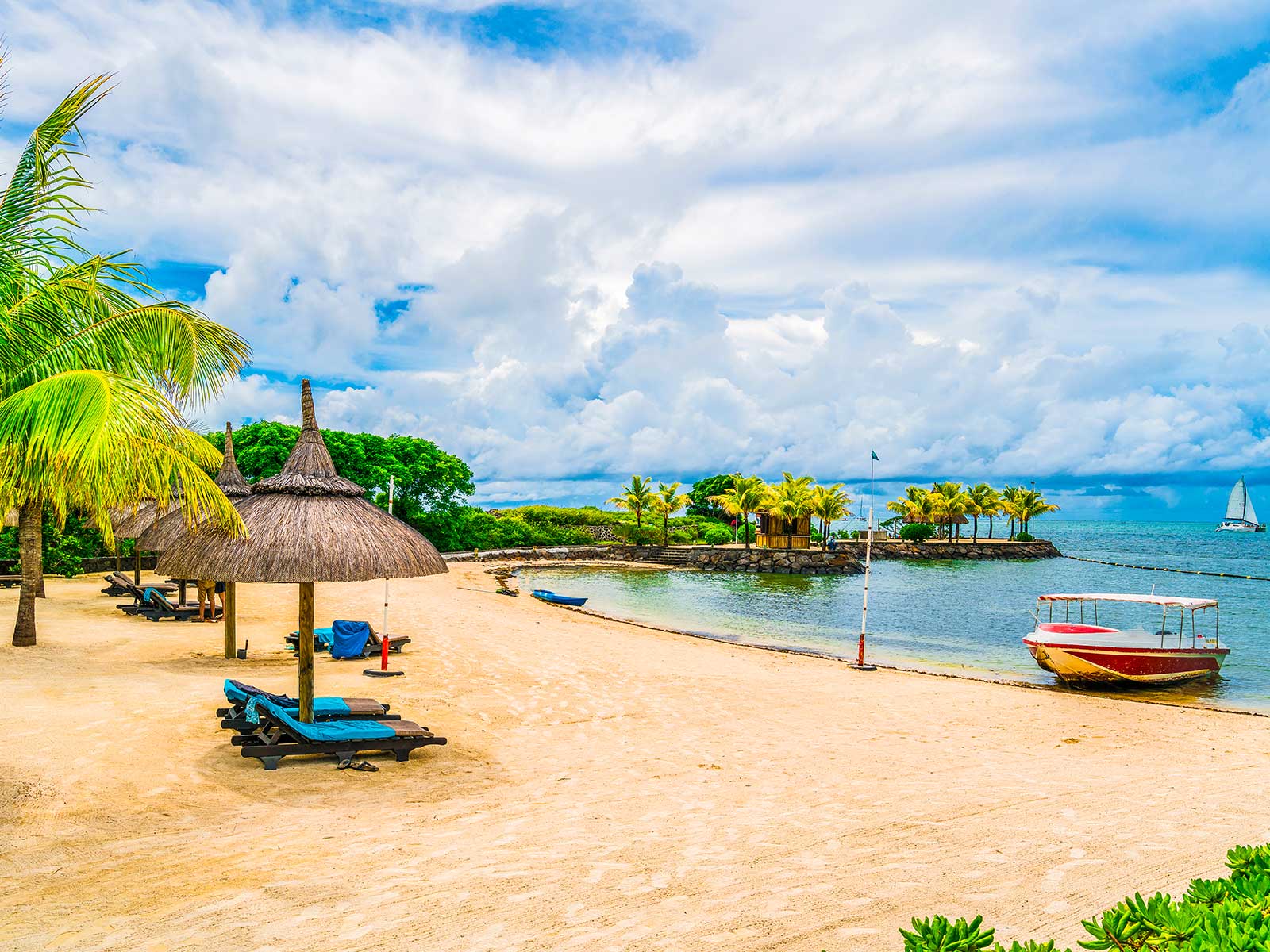
Is Mauritius Safe to Visit? Essential Safety Tips
Mauritius, a jewel of the Indian Ocean, consistently ranks as one of Africa's safest and most welcoming destinations. Known for its pristine beaches, vibrant culture, and lush landscapes, this island nation offers an idyllic escape, but like any travel destination, understanding local nuances and taking sensible precautions will ensure a smooth and enjoyable trip.
While Mauritius boasts a generally low crime rate and friendly locals, being informed about potential minor issues and how to navigate them is key to a worry-free vacation. This guide provides essential safety tips, helping you make the most of your visit to this beautiful island.
General Safety and Crime in Mauritius
Mauritius is widely considered a very safe country for tourists. Violent crime against visitors is rare, and the local population is generally hospitable and welcoming. The primary concerns for travelers usually revolve around petty theft and opportunistic scams, common in tourist areas worldwide.
Petty Crime: Be Aware, Not Afraid
The most common crimes affecting tourists are petty theft, such as pickpocketing or bag snatching. These incidents can occur in crowded areas, busy markets, or on popular beaches like Flic en Flac Beach or Pereybere beach.
- Secure Valuables:Keep your wallet, phone, and passport in a secure, concealed place. Avoid flashing large amounts of cash or expensive jewelry.
- Beach Safety:Do not leave belongings unattended on the beach while swimming. Consider using hotel safes for valuables you don't need to carry.
- Awareness:Be mindful of your surroundings, especially in bustling areas or at night.
Scams and Tourist Traps
While not widespread, some tourists might encounter individuals attempting to overcharge for services or sell counterfeit goods. This is more common with unregulated taxi services or unofficial tour operators.
Tip:Always agree on a price for taxi fares before starting your journey, or opt for ride-sharing apps where available, or use official hotel transfers. When booking tours, use reputable agencies or your hotel concierge.
Navigating the Island: Transport and Road Safety
Driving in Mauritius is on the left-hand side of the road. While roads are generally well-maintained, traffic can be heavy in urban areas, and rural roads may be narrow and winding. Some drivers may also exhibit aggressive driving habits.
- Driving:If renting a car, ensure you are comfortable driving on the left. Be cautious of pedestrians, cyclists, and stray animals. It's often advisable to arrange airport transfers and rely on reputable taxis or tour operators for excursions.
- Walking:Sidewalks can be inconsistent, especially outside main towns. Be vigilant when walking along roadsides.
Water and Adventure Safety
Mauritius is an aquatic paradise, offering activities from snorkeling and diving to boat trips around islands like Ile Aux Cerfs. Safety in and around the water is paramount.
- Swimming:Stick to designated swimming areas, especially on public beaches. Be aware of currents, which can sometimes be strong. Always check for local warning flags.
- Boat Trips & Water Sports:Use licensed and reputable operators for boat excursions, diving, or water sports. Ensure life jackets are provided and worn when necessary.
- Sun Protection:The Mauritian sun is intense. Use high-SPF sunscreen, wear a hat, and stay hydrated, especially during peak hours.
Health and Medical Considerations
Mauritius has a good standard of medical care, particularly in private clinics. However, it's wise to take precautions and be prepared for minor health issues.
- Travel Insurance:Comprehensive travel insurance is highly recommended to cover medical emergencies, evacuations, and trip cancellations.
- Hydration and Food Hygiene:Drink plenty of bottled water to avoid dehydration. While tap water is generally considered safe in main towns, bottled water is always a safer bet for tourists. Eat at reputable restaurants and be cautious with street food.
- Mosquitoes:Mosquitoes are present, especially during the wetter months (November to April). Dengue fever is endemic, so use insect repellent, wear long sleeves and trousers at dawn and dusk, and sleep under mosquito nets if not in air-conditioned accommodation.
- Sunburn & Heatstroke:Protect yourself from the sun as mentioned above. Seek shade during the hottest parts of the day.
Nature and Wildlife Safety
Mauritius boasts stunning natural beauty, from the lush trails of Black River Gorges National Park to the unique geological formations of the Seven Coloured Earths and the impressive Tamarind Falls. Exploring these areas requires some awareness.
- Hiking:When exploring natural areas like La Vallee Des Couleurs Nature Park or Ebony Forest Reserve, wear appropriate footwear, carry water, and consider hiring a local guide, especially for less-trafficked trails. Inform someone of your hiking plans.
- Wildlife:While there are no dangerous large predators on the island, respect local wildlife, including marine creatures. Do not touch or disturb animals. Visits to places like La Vanille Nature Park or the François Leguat Giant Tortoise and Cave Reserve offer safe interactions with native species.
- Plants:Some plants may be irritants. Avoid touching unfamiliar flora. When visiting places like the Sir Seewoosagur Ramgoolam Botanical Garden, stick to marked paths.
Respecting Local Culture and Customs
Mauritius is a multicultural society with a blend of Indian, African, Chinese, and European influences. Locals are generally tolerant and welcoming.
- Dress Code:While swimwear is perfectly acceptable on beaches, dress modestly when visiting religious sites such as Grand Bassin or walking through towns.
- Photography:Always ask for permission before photographing individuals, especially in rural areas or during religious ceremonies.
- Local Etiquette:A simple "Bonjour" or "Bonsoir" goes a long way. Respect local customs and traditions.
Natural Disasters and Emergency Preparedness
The primary natural disaster risk in Mauritius is tropical cyclones, which typically occur between November and May. These are usually well-forecasted, giving ample time for preparation.
- Stay Informed:Monitor local news and weather forecasts during cyclone season. Your hotel will have emergency protocols.
- Follow Instructions:Heed warnings from local authorities and your accommodation staff.
Emergency Contacts
It's always good to have essential emergency numbers readily available:
- Police:999 or 112
- Ambulance:114
- Fire:115
- Your Embassy/Consulate:Keep their contact details handy.
Mauritius is undoubtedly a safe and enchanting destination. By understanding these practical safety tips and exercising common sense, you can focus on enjoying the island's incredible beauty, from the iconic Le Morne beach to the historical Eureka House and the natural wonder of Rochester Falls, creating unforgettable memories in this Indian Ocean paradise.