
A Brief History of Mauritius: From Discovery to Independence
Mauritius, a jewel in the Indian Ocean, boasts a history as vibrant and diverse as its landscapes. From its early days as an uninhabited island to its current status as a thriving multicultural nation, its story is a fascinating tapestry woven from the threads of discovery, colonialism, and the enduring spirit of its people.
Early Discoveries and Uninhabited Lands
Long before European explorers set foot on its shores, Mauritius was known to Arab and Malay seafarers as early as the 9th or 10th century. Though they never established permanent settlements, their navigational charts hinted at the island's existence. It wasn't until the early 16th century that Portuguese explorers, led by Domingo Fernandez, officially "discovered" the island, naming itIlha do Cerne(Island of the Swan). They too chose not to colonize, using it merely as a stopover on their lucrative spice routes.
The Dutch Era (1598-1710): A Name and a Dodo's Fate
The first attempt at colonization came in 1598 when a Dutch expedition, under Admiral Wybrand van Warwyck, landed in Grand Port. They renamed the island "Mauritius" in honour of Prince Maurice of Nassau, the Stadtholder of the Netherlands. The Dutch introduced sugarcane, deer, and domestic animals, but their primary interest lay in exploiting the island's rich ebony forests.
However, the Dutch colonial venture was plagued by difficulties, including devastating cyclones, rat infestations, and general mismanagement. Their most enduring, and tragic, legacy was the extinction of the Dodo. Within decades of human settlement, this unique flightless bird, endemic to Mauritius, vanished forever.
The Dodo, a flightless bird endemic to Mauritius, became a tragic symbol of human impact, driven to extinction within decades of Dutch settlement. Efforts today, like those at the François Leguat Giant Tortoise and Cave Reserve, highlight the importance of preserving endemic species and learning from past mistakes.
By 1710, the Dutch abandoned Mauritius, leaving behind an ecological footprint that included deforestation and the loss of the Dodo. Today, reserves like the Ebony Forest Reserve work tirelessly to restore these precious native woodlands, offering a glimpse into Mauritius's original ecological splendor.
French Rule (1715-1810): Isle de France Flourishes
Just five years after the Dutch departure, the French East India Company claimed the island in 1715, renaming itIsle de France. Under the visionary governorship of Mahé de La Bourdonnais (1735-1746), the island truly began to flourish. He established Port Louis as a vital naval base and shipbuilding centre, transforming it into a bustling port of call for ships plying the trade routes between Europe and Asia.
Sugar cultivation expanded dramatically, becoming the backbone of the island's economy. This agricultural boom, however, was built on the tragic foundation of enslaved labour, with thousands of people forcibly brought from Africa and Madagascar. Visitors can still glimpse this bygone era by visiting sites such as Eureka House, a beautifully preserved colonial mansion offering insights into 19th-century planter life.
The French also initiated significant scientific and agricultural ventures, many of which laid the groundwork for the renowned Sir Seewoosagur Ramgoolam Botanical Garden, showcasing a diverse collection of flora. As a strategic naval base, Isle de France became a key player in the Anglo-French rivalries in the Indian Ocean, a period marked by daring privateer exploits.
British Colony (1810-1968): Abolition and Indentured Labour
The Napoleonic Wars brought an end to French rule. In 1810, a British expeditionary force successfully captured the island. The Treaty of Paris in 1814 formally ceded Mauritius, along with its dependencies, to Great Britain. Notably, the British agreed to respect the existing French language, laws, and customs, a decision that profoundly shaped Mauritius's unique cultural identity.
The most significant social change under British rule was the abolition of slavery in 1835. This led to a severe labour shortage on the sugar plantations. To address this, the British initiated the "Great Immigration," bringing hundreds of thousands of indentured labourers, primarily from India, to work on the estates. This influx profoundly reshaped Mauritian society, culture, and religion.
The legacy of this period is beautifully reflected in significant cultural sites such as Grand Bassin, a sacred Hindu pilgrimage lake nestled in a volcanic crater, which stands as a testament to the enduring faith of the Indo-Mauritian community. Furthermore, the tragic history of slavery and the subsequent struggle for freedom are encapsulated in the powerful narrative of Le Morne Cultural Landscape, a UNESCO World Heritage site where maroon slaves sought refuge on the mountain's formidable slopes.
The Path to Independence
The 20th century saw the gradual emergence of political consciousness and a growing movement for self-determination. Key figures like Sir Seewoosagur Ramgoolam played a pivotal role in advocating for greater autonomy and social justice. Following World War II, the drive for independence gained momentum, leading to constitutional reforms and increased local representation.
On March 12, 1968, Mauritius achieved full independence from British rule, with Sir Seewoosagur Ramgoolam becoming its first Prime Minister. The nation adopted a Westminster-style parliamentary democracy. In 1992, Mauritius transitioned into a Republic within the Commonwealth, electing its first President.
Modern Mauritius: A Diverse and Prosperous Nation
Since independence, Mauritius has successfully diversified its economy, moving beyond its traditional sugar base to embrace tourism, textiles, financial services, and information technology. This economic growth has been accompanied by a commitment to social harmony and democratic stability, making it a beacon of peace and prosperity in the region.
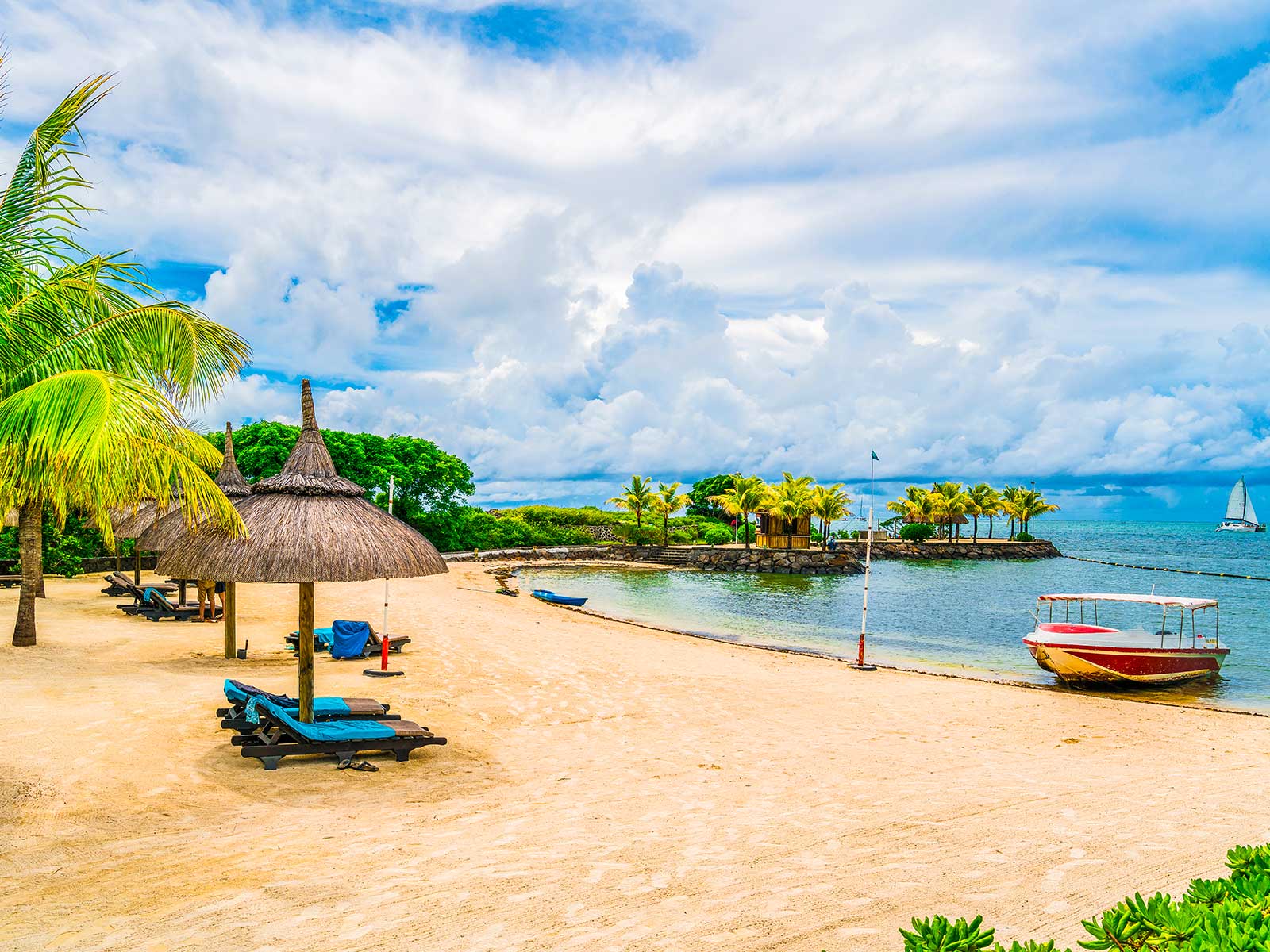
Today, Mauritius thrives as a premier tourist destination, drawing visitors to its stunning beaches like Pereybere beach,Flic en Flac Beach, and the iconic Ile Aux Cerfs. Its diverse natural wonders, from the vibrant hues of the Seven Coloured Earths to the lush biodiversity of Black River Gorges National Park, offer a wealth of exploration. Adventure seekers can explore Tamarind Falls or the unique landscapes of La Vallee Des Couleurs Nature Park, while families enjoy attractions like La Vanille Nature Park and the majestic Rochester Falls.
The island's rich history has shaped a unique Creole culture, a vibrant blend of African, Asian, and European influences, evident in its cuisine, music, and festivals. From its humble beginnings as an uninhabited island to its present-day status as a dynamic and welcoming nation, Mauritius continues to evolve, cherishing its past while forging a bright future.