
Unique Experiences in Mauritania: From Desert Camps to Coastal Expeditions
Mauritania, a land where the Sahara dramatically meets the Atlantic, offers intrepid travelers an unparalleled journey into ancient cultures and breathtaking natural beauty. From the endless golden dunes of its vast desert interior to the vibrant ecosystems of its coastal wetlands, this West African nation promises adventures unlike any other.
Often overlooked, Mauritania presents a raw and authentic travel experience. It’s a destination for those seeking to disconnect from the familiar and immerse themselves in a world shaped by centuries of nomadic traditions, rich Islamic heritage, and diverse landscapes. Prepare to discover a country where time seems to slow, and every encounter tells a story.
Journey into the Sahara: Desert Camps and Ancient Cities
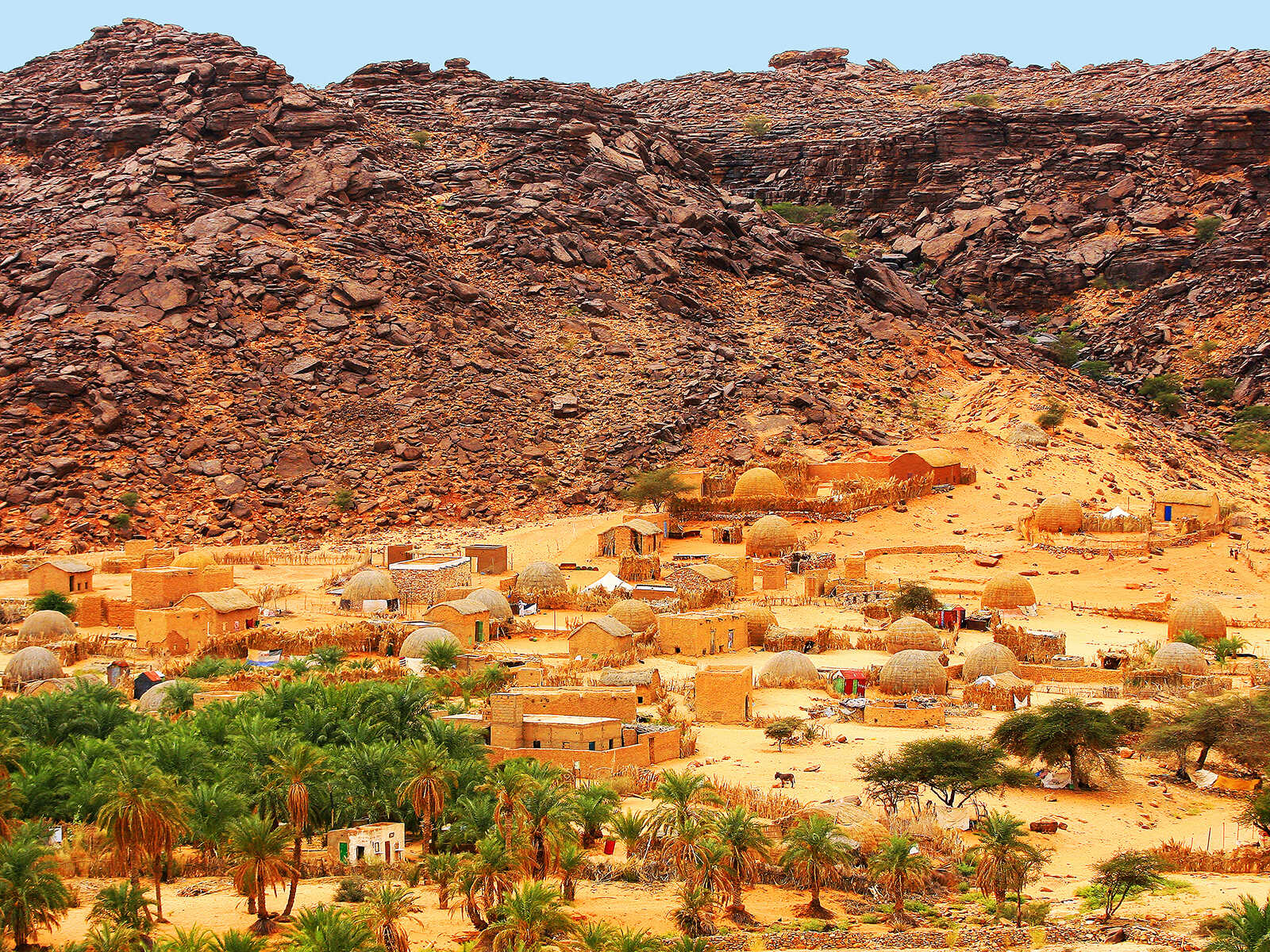
The heart of Mauritania's allure lies undoubtedly in its Sahara Desert. The vastness and stark beauty of this landscape are mesmerizing, offering a profound sense of solitude and wonder. Many desert adventures begin in or around the Adrar Plateau, a rugged region characterized by dramatic cliffs, deep canyons, and hidden oases.
Unforgettable Desert Camps
Spending a night under the expansive Saharan sky is a quintessential Mauritanian experience. Desert camps, ranging from simple bivouacs to more comfortable tented setups, provide a unique opportunity to connect with nature. Imagine evenings spent around a crackling fire, sharing mint tea with local guides, and listening to traditional music as countless stars illuminate the inky blackness above. The silence of the desert is profound, only occasionally broken by the gentle rustle of wind over the dunes.
Exploring Ancient Caravan Cities
Deep within the desert lie historic cities that once thrived as vital stops on trans-Saharan trade routes. These UNESCO World Heritage Sites offer a fascinating glimpse into Mauritania's past.
- Chinguetti:Known as the seventh holy city of Islam, Chinguetti is a captivating ghost town with crumbling sandstone architecture. Its ancient libraries house thousands of precious manuscripts, some dating back to the 13th century, offering an invaluable window into medieval Islamic scholarship. The distinctive Chinguetti Mosque, with its square minaret, is an iconic landmark.
- Ouadane:Another UNESCO site, Ouadane also boasts impressive ruins of a historic trading post. Perched dramatically on a rocky outcrop, its remnants tell tales of bustling markets and scholarly pursuits.
Oases and Geological Wonders
Amidst the arid landscape, oases provide pockets of life and refreshing respite. The Terjit Oasis, often described as a natural paradise, is a prime example. Here, natural springs feed palm groves, creating a lush, cool haven perfect for relaxing and escaping the desert heat.
Mauritania is also home to one of Earth's most striking geological features: the Richat Structure, often called the "Eye of the Sahara." This immense, circular geological formation, spanning nearly 50 kilometers in diameter, is visible from space and remains a subject of scientific fascination. Its concentric rings of exposed rock offer a truly otherworldly spectacle, best appreciated from an elevated vantage point or even an aerial tour.
Did you know?The Richat Structure was once hypothesized to be an impact crater, but is now widely considered to be a deeply eroded domal uplift, revealing layers of sedimentary rock.
Coastal Expeditions: Where the Desert Meets the Ocean
While the desert captivates with its vastness, Mauritania's Atlantic coastline offers a dramatically different yet equally compelling set of experiences. Here, the Sahara’s influence can still be felt, but the landscape transforms into rich wetlands and vibrant marine ecosystems.
Banc d'Arguin National Park: A Birder's Paradise
A jewel of Mauritania's coast, the Banc d'Arguin National Park is a UNESCO World Heritage site and one of the most important bird migratory sites in the world. This expansive park comprises sand dunes, coastal marshes, and shallow waters teeming with life. It's a sanctuary for millions of migratory birds, including various species of terns, flamingos, pelicans, and spoonbills.
Visiting the park offers a chance to witness these incredible avian spectacles and encounter the local Imraguen people, whose traditional fishing methods, often involving dolphins, have been sustained for centuries. Their unique harmony with nature is a testament to sustainable living.
Diawling National Park: Southern Wetlands
Further south, near the border with Senegal, lies Diawling National Park. This wetland area, part of the Senegal River Delta, provides another critical habitat for migratory birds and offers a different perspective on Mauritania's biodiversity. It's a fresher, greener contrast to the arid north, showcasing a different facet of the country's ecological richness.
Nouakchott: Gateway to the Coast
Mauritania's capital, Nouakchott, serves as a practical entry point for coastal explorations. While not a traditional tourist hub, its bustling fish market is a vibrant spectacle of daily life, where fishermen bring in their catch and buyers haggle animatedly. The city is also home to modern landmarks like the impressive Mosqué Saudique, a striking piece of contemporary Islamic architecture.
Cultural Immersion and Local Encounters
Beyond the landscapes, the true essence of Mauritania lies in its people and their rich culture. Hospitality is paramount, and travelers are often welcomed with open arms. Engaging with local communities, whether in desert camps or coastal villages, provides invaluable insights into their way of life.
Highlights of cultural immersion include:
- Mint Tea Ceremonies:A cornerstone of Mauritanian social life, the elaborate preparation and serving of multiple rounds of sweet mint tea is a ritual not to be missed.
- Nomadic Traditions:Learn about the resilient heritage of nomadic tribes and their deep connection to the desert.
- Traditional Music:Experience the captivating rhythms and melodies of Mauritanian music, often featuring instruments like the tidinit (lute) and ardin (harp).
Practical Tips for Your Mauritanian Adventure
Traveling in Mauritania requires a spirit of adventure and some preparation:
- Best Time to Visit:The cooler months from October to May are generally more comfortable for desert exploration.
- Transportation:A reliable 4x4 vehicle with an experienced local driver is essential for desert travel.
- Respect Local Customs:Dress modestly, especially in rural areas, and always ask permission before photographing people.
- Be Prepared:Carry ample water, sun protection, and a basic first-aid kit. Flexibility is key, as travel plans can sometimes change unexpectedly.
Mauritania is a destination that rewards the curious and the adventurous. It’s a place to witness untouched natural beauty, delve into ancient histories, and experience genuine human connection. From the silent majesty of its desert camps to the teeming life of its coastal expeditions, Mauritania offers a journey of discovery that will leave an indelible mark on your soul.