
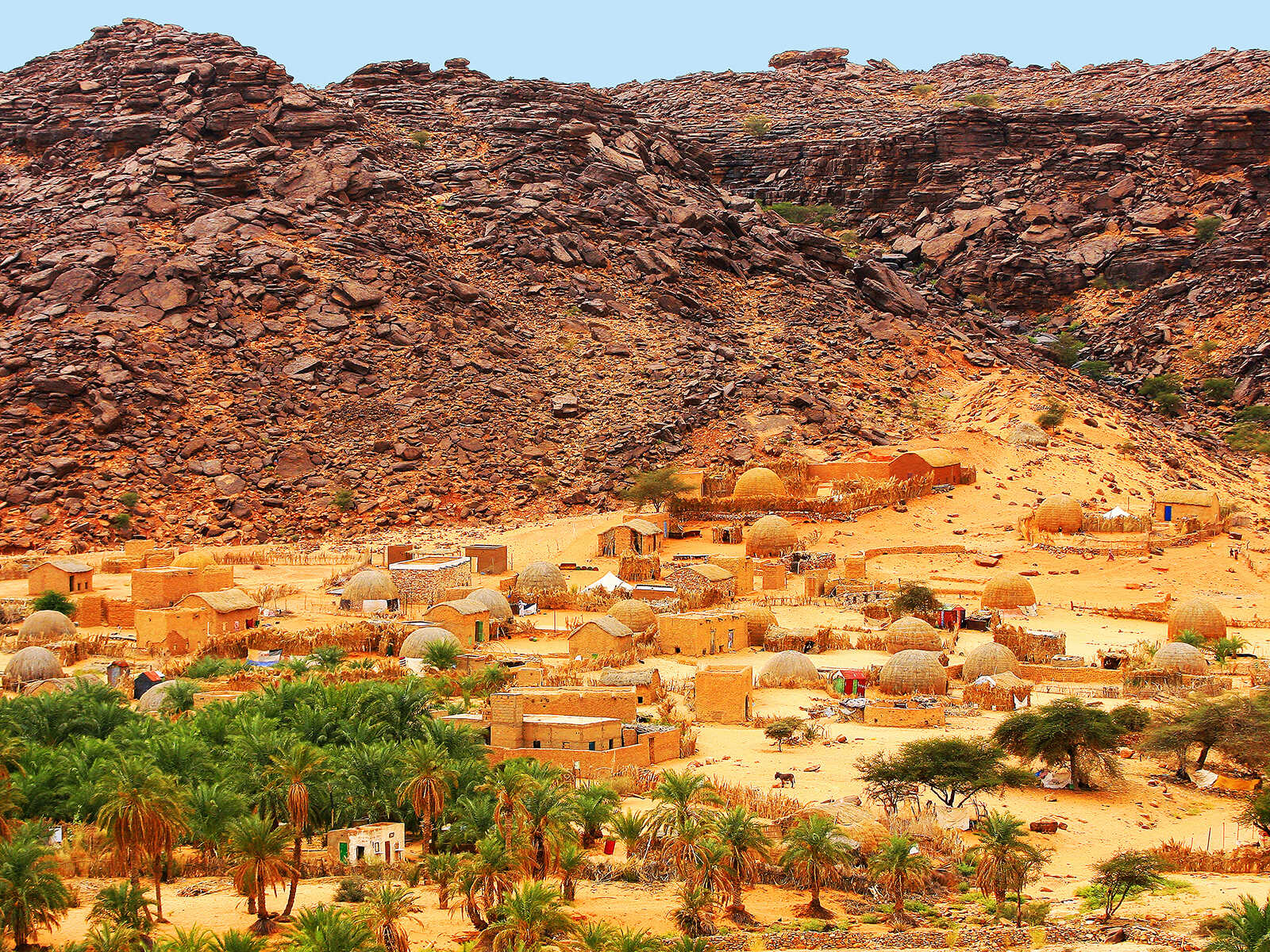
Understanding Mauritanian Society: Nomadic Traditions and Modern Life
Mauritanian society is a fascinating tapestry woven from centuries of nomadic traditions, deeply rooted Islamic faith, and the accelerating pace of modern life. This unique cultural blend offers visitors a profound insight into a nation navigating its rich heritage while embracing contemporary global influences.
The Enduring Legacy of Nomadism
At the heart of Mauritanian identity lies its nomadic past. For centuries, Berber and Arab tribes traversed the vast Sahara, shaping a society defined by resilience, self-sufficiency, and profound hospitality. This nomadic lifestyle necessitated strong communal bonds and a deep respect for the harsh desert environment.
The movement across the desert, often following seasonal rains and grazing lands, fostered a culture where adaptability and resourcefulness were paramount. Key regions like the Adrar Plateau and its ancient cities such as Chinguetti and Ouadane served as vital hubs for trade, learning, and cultural exchange along trans-Saharan routes. Even today, echoes of this past resonate in the daily lives and customs of Mauritanians, whether in bustling cities or remote settlements.
Hospitality: A Cornerstone of Mauritanian Culture
The nomadic code instilled a strong sense ofal-karam– generosity and hospitality – towards strangers and guests. This tradition is perhaps best experienced through the elaborate tea ritual, a cornerstone of Mauritanian social interaction. Served in small glasses, often three rounds, each with a distinct flavor and symbolism, sharing tea is a sign of welcome and friendship.
The Mauritanian tea ceremony is more than just a drink; it's a social institution. The three rounds symbolize life, love, and death, served slowly to encourage conversation and connection.
Expect to be offered food, drink, and a place to rest, even in the most modest homes. Declining too quickly can be seen as disrespectful, so accepting gracefully, even if only a small amount, is a sign of politeness.
Islam: The Unifying Force
Islam is the official religion of Mauritania and deeply permeates all aspects of society. The vast majority of Mauritanians are Sunni Muslims, adhering to the Maliki school of jurisprudence. Religious practices, from daily prayers to observing Ramadan, are central to life.
Mosques are important community centers, not just for prayer but also for learning and social gatherings. Historical sites like the Chinguetti Mosque stand as testaments to centuries of Islamic scholarship, while modern structures like the Mosqué Saudique in Nouakchott reflect contemporary religious life. Islamic principles guide laws, social norms, and personal conduct, fostering a strong sense of community and moral values.
Social Structures and Family Life
Traditionally, Mauritanian society was structured along tribal lines, with a historical hierarchy that included warrior tribes (Hassane), religious scholars (Zawaya), artisans, and formerly, a system of hereditary servitude. While modern Mauritania strives for equality, tribal affiliations and family connections still play a significant role in social and political life.
The family unit is incredibly strong and central to Mauritanian society. Extended families often live together or in close proximity, providing a robust support network. Respect for elders is paramount, and decisions are often made collectively. Marriages are typically arranged, emphasizing the coming together of families as much as individuals.
Modern Life: Bridging the Old and New
While nomadic traditions remain influential, Mauritania is experiencing rapid modernization and urbanization. The capital, Nouakchott, has grown exponentially, attracting people from rural areas seeking education, employment, and better opportunities.
- Urbanization:A significant portion of the population now resides in urban centers, leading to changes in lifestyle, housing, and social interactions.
- Education:Access to formal education is increasing, though traditional Quranic schools (mahbara) continue to play a vital role in religious instruction and preserving oral traditions.
- Economy:The economy is diverse, with fishing, iron ore mining, and nascent oil and gas industries driving development. However, pastoralism and subsistence agriculture still support many livelihoods, particularly in rural areas and around oases like Terjit.
- Technology:Mobile phones are widespread, even in remote desert regions, connecting communities and individuals to the wider world. Internet access is growing, influencing communication, commerce, and media consumption.
Despite these advancements, Mauritania faces challenges including desertification, poverty, and the need for further infrastructure development. The younger generation often finds itself navigating between deeply ingrained traditions and the allure of globalized culture, creating a dynamic and evolving social landscape.
Cultural Expressions
Mauritanian culture is rich in artistic expression, largely stemming from its oral traditions and nomadic heritage.
- Music:Traditional music, often played on instruments like thetidinit(a four-string lute) andardine(a harp-lute played by women), tells stories of love, heroism, and daily life. Griots (hereditary musicians and storytellers) are important cultural custodians.
- Poetry and Storytelling:Poetry holds a revered place, with epic poems and oral histories passed down through generations. Storytelling remains a cherished pastime, particularly during evening gatherings.
- Crafts:Artisans produce beautiful leather goods, intricate silver jewelry, hand-woven textiles, and vibrant indigo-dyed fabrics, often reflecting traditional patterns and symbols.
Interacting with Mauritanian Society: Practical Tips for Visitors
To ensure a respectful and rewarding experience, consider these cultural guidelines:
- Dress Modestly:Both men and women should dress conservatively, covering shoulders and knees. Women may find it respectful to cover their heads in religious sites or rural areas.
- Respect Islamic Practices:Be mindful of prayer times, especially during Ramadan. Avoid public eating or drinking during fasting hours.
- Accept Hospitality:Graciously accept offers of tea or food, even if you can only take a small portion. It's a sign of welcome.
- Photography Etiquette:Always ask permission before photographing individuals, especially women. Be prepared for some to decline.
- Greetings:A simple "Assalamu Alaikum" (peace be upon you) is always appreciated. Handshakes are common between men, but it's best to wait for a woman to extend her hand first.
- Bargaining:In markets, bargaining is expected and part of the cultural experience, but always remain polite and good-humored.
Conclusion
Mauritanian society is a captivating blend of ancient traditions and the currents of modernity. Its people, shaped by the vastness of the Sahara and the enduring principles of Islam, offer a unique perspective on life. Understanding and respecting this intricate cultural tapestry will undoubtedly enrich any visit to this remarkable West African nation, revealing the warmth, resilience, and profound hospitality of its people.