
Richat Structure Tours: How to See the Eye of the Sahara
Venture into the heart of Mauritania and discover one of Earth's most captivating natural wonders: the Richat Structure. Known globally as the "Eye of the Sahara," this colossal geological formation offers an unparalleled adventure for the intrepid traveler. This guide will help you plan your unforgettable journey to witness this breathtaking spectacle.
Unveiling the Eye of the Sahara: What is the Richat Structure?
The Richat Structure is a deeply eroded, circular geological dome, approximately 40 kilometers (25 miles) in diameter, located in the Adrar Plateau of west-central Mauritania. Initially thought to be an impact crater, scientists now believe it to be a symmetrical, uplifted dome that has been exposed by erosion. Its striking concentric rings of rock, visible from space, have made it a landmark used by astronauts for navigation.
Why Journey to This Geological Marvel?
Visiting the Richat Structure is more than just seeing a geological formation; it's an immersive experience into the vastness and mystery of the Sahara. Its sheer scale and unique appearance from above offer a perspective on our planet that few places can match. For geologists, photographers, and adventurers alike, it’s a site of profound wonder.
"The Richat Structure's distinct concentric rings and immense scale make it one of the most recognizable terrestrial features from orbit, a natural compass for astronauts traversing the globe."
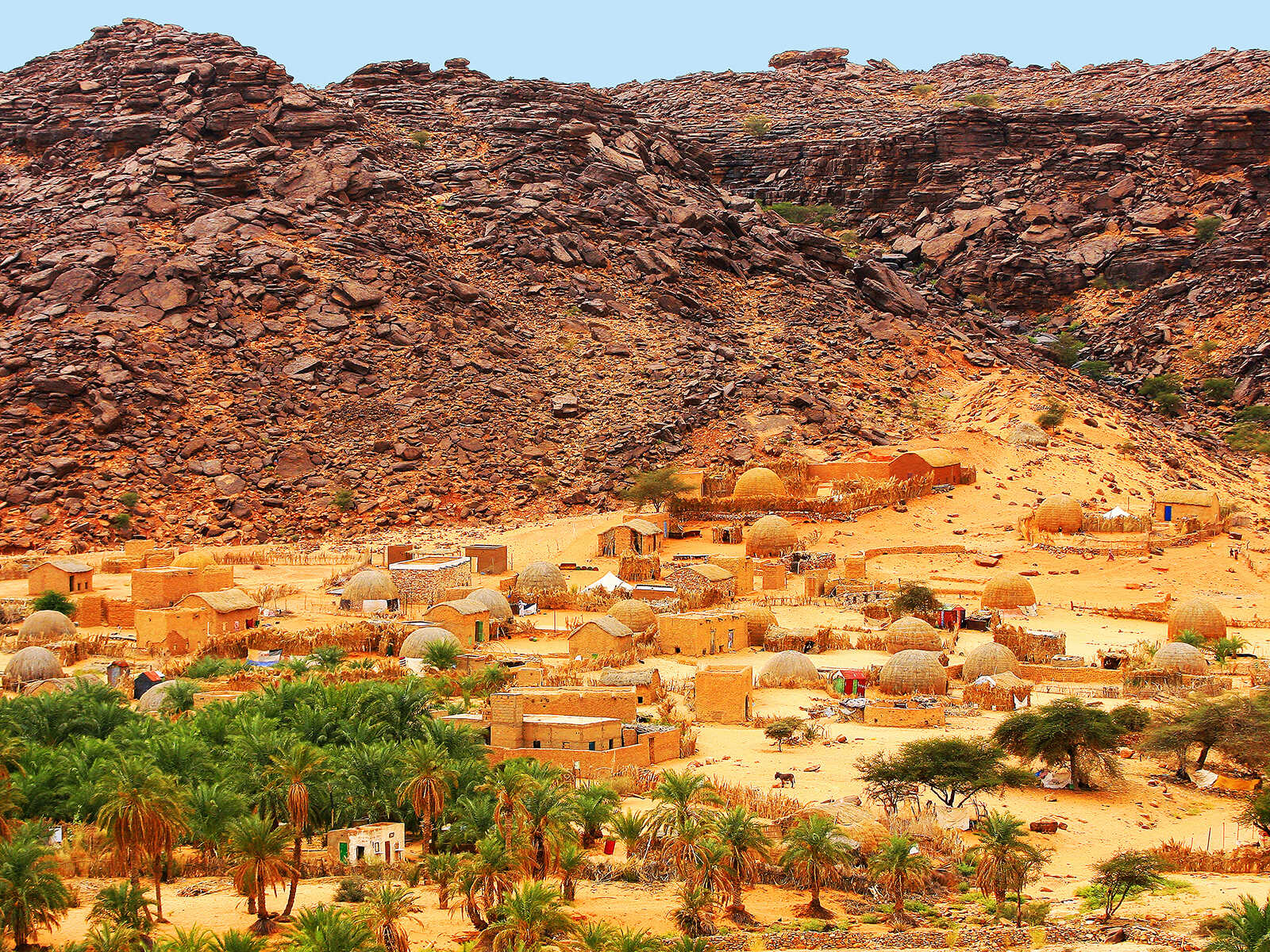
Beyond its scientific intrigue, the journey itself is an adventure through stunning desert landscapes, offering a glimpse into the traditional nomadic life of Mauritania.
Planning Your Expedition: Getting to the Adrar Region
Accessing the Richat Structure requires careful planning and a spirit of adventure. The closest major town and primary staging point is Atar.
The Main Hubs: Atar and Nouakchott
- Nouakchott:Mauritania's capital is the primary international entry point, with an international airport. From Nouakchott, you can arrange onward travel to Atar.
- Atar:Located in the Adrar Plateau, Atar is the gateway to the Richat Structure and other desert attractions like Chinguetti and Ouadane. It has a domestic airport and is well-equipped with guesthouses and tour operators.
Transportation to Atar
Travelers typically reach Atar by:
- Domestic Flights:Irregular flights connect Nouakchott to Atar, offering the quickest option.
- 4x4 Vehicles:This is the most common and recommended method, especially if you are on an organized tour. The journey from Nouakchott to Atar by road can take a full day, traversing diverse desert landscapes.
Navigating the Desert: Your Tour Options
Seeing the Richat Structure effectively, especially from the ground, requires local expertise. It's not a site with visitor centers or marked trails, making a guided tour highly advisable.
Organized Multi-Day Tours
The most popular and recommended way to visit the Richat Structure is by joining an organized multi-day tour from Atar or even Nouakchott. These tours typically include:
- Experienced Local Guides:Essential for navigation, cultural insights, and safety in the vast desert.
- 4x4 Transportation:Robust vehicles are necessary for off-road travel.
- Camping Gear & Supplies:Tours usually provide tents, sleeping bags, and all meals and water.
- Combined Itineraries:Many tours combine the Richat Structure with other highlights of the Adrar Plateau, such as the ancient library cities of Chinguetti and Ouadane, and the breathtaking oasis of Terjit. This offers a comprehensive Mauritanian desert experience.
These tours allow you to fully appreciate the journey and the destination, relying on the knowledge of locals who understand the desert's nuances.
Self-Guided Adventures: Proceed with Caution
While technically possible, attempting a self-guided trip to the Richat Structure is strongly discouraged for most travelers. The terrain is challenging, navigation is complex, and emergency services are non-existent. If you consider this option, you would need:
- An extremely reliable and well-equipped 4x4 vehicle.
- Advanced off-road driving skills and extensive desert navigation experience.
- Comprehensive satellite communication devices and emergency supplies.
- Thorough knowledge of local conditions and permissions.
For safety and a richer experience, opting for a local guide is invaluable.
Gaining Perspective: Aerial Views
To truly appreciate the "Eye of the Sahara" in its full glory, an aerial view is paramount. From the ground, while impressive, the scale and perfect circularity are not fully apparent. Options for aerial viewing include:
- Small Aircraft Charters:Some specialized tour operators may offer opportunities to charter small planes for an overhead flight. This is an incredible way to see the structure as astronauts do.
- Drones:If you are an experienced drone pilot and respect local regulations (always check beforehand), a drone can capture stunning high-altitude footage and photos, providing that crucial "eye" perspective.
What to Expect on Your Richat Structure Tour
Your journey to the Richat Structure will be an immersion into the vastness of the Sahara. Expect long drives across sandy plains and rocky plateaus, punctuated by dramatic geological features and perhaps encounters with nomadic communities. Upon reaching the structure, your guide will lead you to various vantage points, allowing you to explore its different rings and features. While the full "eye" shape is best appreciated from above, exploring it on foot reveals fascinating geological details and a profound sense of scale.
Accommodation will primarily be desert camping under the stars, offering an unforgettable experience of silence and celestial beauty. Meals will often be traditional Mauritanian fare, prepared by your tour team. Be prepared for basic facilities and a strong connection with nature.
Best Time to Visit Mauritania's Sahara
The ideal time to visit the Richat Structure and the Mauritanian desert is during the cooler months, fromOctober to April. During this period, daytime temperatures are more pleasant, and nights are cool. The summer months (May to September) can be extremely hot, making travel uncomfortable and potentially hazardous.
Essential Gear for Your Desert Journey
Packing wisely is crucial for a comfortable and safe desert expedition:
- Sun Protection:Wide-brimmed hat, sunglasses, high-SPF sunscreen.
- Clothing:Lightweight, breathable long-sleeved shirts and trousers to protect from sun and sand. Layers are key for temperature fluctuations.
- Footwear:Sturdy, closed-toe walking shoes or boots, and sandals for camp.
- Hydration:A reusable water bottle. Your tour operator will provide water, but personal hydration is vital.
- Camera Gear:Batteries, memory cards, and protection from sand.
- Personal First-Aid Kit:Including any personal medications.
- Headlamp or Flashlight:Essential for navigating camp after dark.
- Wet Wipes/Hand Sanitizer:For hygiene in remote areas.
- Small Backpack:For day excursions.
Safety and Responsible Tourism
Mauritania is generally safe for tourists, especially with reputable local guides. However, it's wise to:
- Purchase Travel Insurance:Ensure it covers remote desert travel and emergency evacuation.
- Respect Local Customs:Dress modestly, especially in towns and villages. Ask permission before taking photos of people.
- Minimize Environmental Impact:"Leave No Trace" principles are vital in this pristine desert environment. Pack out everything you pack in.
- Stay Informed:Check the latest travel advisories from your government before departure.
Beyond the Eye: Exploring Mauritania's Adrar Plateau
Your trip to the Richat Structure is just one facet of the incredible Adrar Plateau. Extend your adventure to include:
- Chinguetti and Ouadane:UNESCO World Heritage Sites, these ancient caravan cities boast historic libraries filled with priceless manuscripts and offer a deep dive into Mauritania's rich history.
- Terjit Oasis:A stunning palm-filled oasis nestled in a canyon, offering refreshing natural springs and a picturesque escape.
- Desert Camping:Experience the profound silence and dazzling starlit skies of the Sahara.
Conclusion: An Unforgettable Mauritanian Adventure
A journey to the Richat Structure is more than just a tour; it's an expedition to one of Earth's most enigmatic natural wonders, set against the backdrop of the majestic Sahara. With careful planning and the guidance of local experts, you can embark on an adventure that promises not only breathtaking sights but also a deep connection with Mauritania's unique landscape and culture. Prepare to be amazed by the Eye of the Sahara.