
Responsible Tourism in Mauritania: Ethical Travel Tips
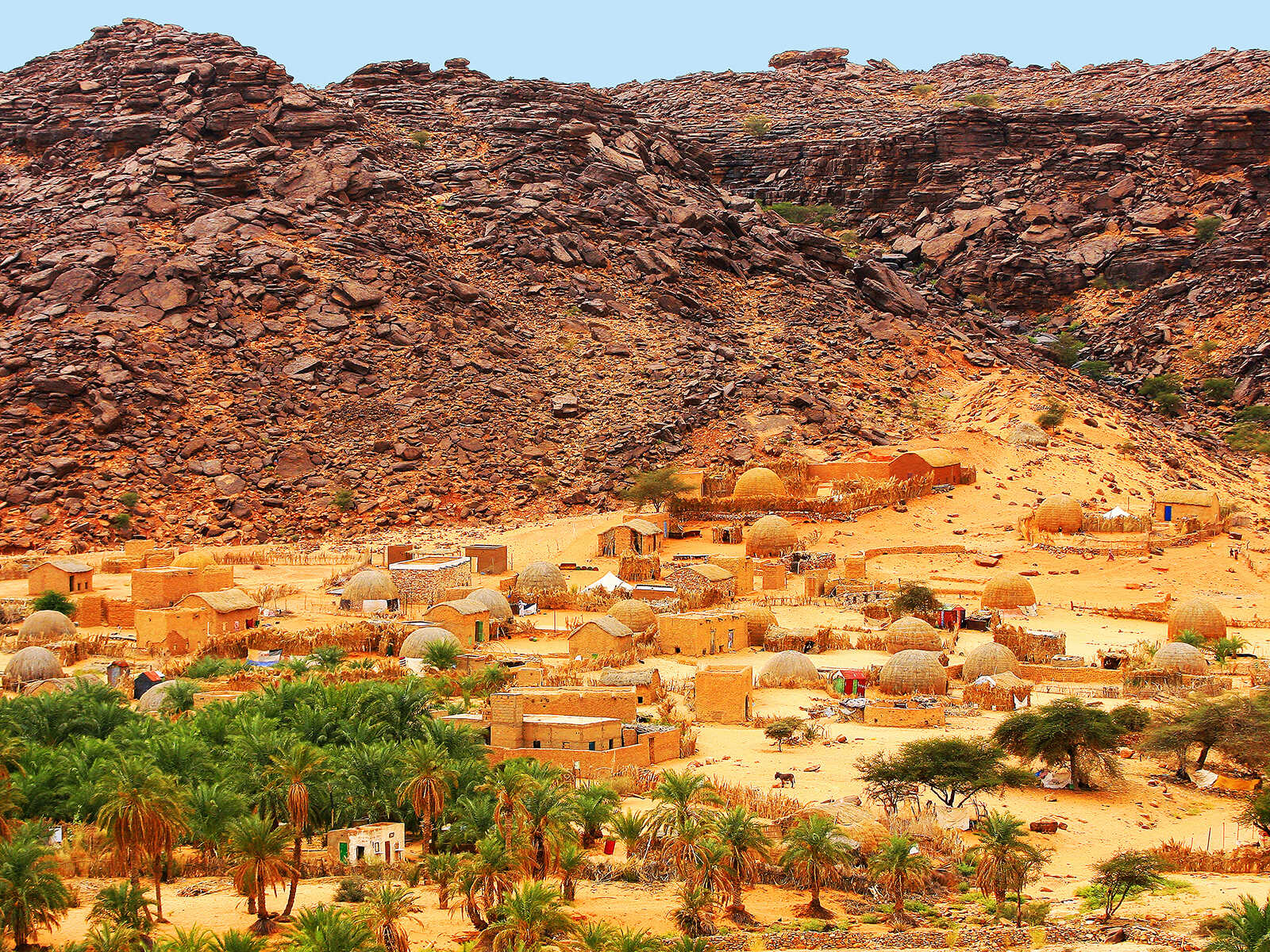
Mauritania, a land of vast deserts, ancient cities, and rich nomadic culture, offers an unparalleled adventure for the discerning traveler. To truly appreciate its unique beauty and support its communities, embracing responsible tourism is not just a choice, but a necessity. This guide provides practical tips for an ethical and enriching journey through this captivating West African nation.
Why Responsible Tourism Matters in Mauritania
Mauritania presents a frontier travel experience, distinct from more trodden paths. Its delicate ecosystems, traditional ways of life, and developing infrastructure mean that every visitor has a significant impact. Responsible tourism here means treading lightly, respecting local customs, and ensuring your presence benefits the people and preserves the environment for future generations. It's about being a guest, not just a tourist, in a country that values its heritage and natural beauty immensely.
Key Pillars of Responsible Tourism in Mauritania
1. Environmental Preservation
Mauritania's stunning landscapes, from the Sahara to the Atlantic coast, are fragile. Your actions can help protect them.
- Reduce, Reuse, Recycle:Minimize your waste, especially plastic. Carry a reusable water bottle and purification tablets or a filter. Pack out everything you pack in, leaving no trace in the desert or along the coast.
- Conserve Water:Water is a precious resource in this arid nation. Be mindful of your water usage, whether showering or washing.
- Protect Natural Habitats:When exploring natural areas like Banc d'Arguin National Park or Diawling National Park, stick to designated paths, avoid disturbing wildlife, and never remove natural elements.
- Responsible Campfires:If camping, use existing fire pits or build small, contained fires. Ensure they are completely extinguished before leaving.
In a country where natural resources are precious, every piece of plastic carried in and left behind is a visible scar on the pristine landscape.
2. Cultural Respect and Engagement
Mauritania is a deeply traditional Islamic society with a rich nomadic heritage. Respecting local customs is paramount for a positive experience.
- Dress Modestly:Both men and women should dress modestly, covering shoulders and knees, especially in public places, towns, and when visiting religious sites such as the Chinguetti Mosque or Mosqué Saudique.
- Photography Etiquette:Always ask for permission before taking photos of people, particularly women and children. Be gracious if your request is declined.
- Learn Basic Phrases:A few words of Arabic or Hassaniya (the local dialect) like "Salam Alaikum" (peace be upon you) and "Shukran" (thank you) can go a long way in building rapport.
- Respect Social Norms:Public displays of affection are not appropriate. Accept hospitality graciously; refusing offered tea or food can be seen as impolite.
- Engage Respectfully:Be open to conversations but avoid sensitive topics such as politics or religion unless initiated by locals.
3. Economic Contribution to Local Communities
Your travel choices can directly benefit local people and help sustain traditional livelihoods.
- Support Local Businesses:Opt for locally owned guesthouses, restaurants, and tour operators. This ensures that your money directly supports the Mauritanian economy.
- Hire Local Guides:Employing local guides not only provides valuable income but also enhances your experience with their invaluable knowledge of the culture, history, and environment.
- Buy Local Products:Purchase souvenirs and goods directly from local artisans in markets in places like Ouadane or Chinguetti. Bargain respectfully, but also ensure artisans receive a fair price for their craft.
- Fair Tipping:Understand and adhere to local norms for tipping guides, drivers, and service staff. Your tour operator can advise on appropriate amounts.
4. Social Responsibility
Being a responsible traveler also means being aware of the broader social context.
- Health and Safety:Prioritize your health by staying hydrated and following local advice on food and water safety. Be aware of your surroundings, especially in busy areas.
- Children and Begging:Refrain from giving money or gifts directly to children, as it can inadvertently encourage begging. If you wish to help, consider donating to reputable local charities, schools, or community projects.
- Understanding Local Context:Mauritania has a complex history and social fabric. Approach your travels with an open mind and a willingness to learn about the country's unique challenges and triumphs.
Practical Tips for Your Mauritanian Adventure
To ensure your trip is as ethical and enjoyable as possible, consider these practical recommendations:
- Choose Responsible Tour Operators:Select operators with a proven commitment to sustainable tourism, fair employment practices for locals, and environmental protection. Ask them about their policies.
- Pack Smart:Bring appropriate, modest clothing for the climate and culture. Include a reusable water bottle, sunscreen, a hat, and sturdy walking shoes suitable for sandy and rocky terrain.
- Mindful Transportation:Where possible, consider carpooling or using shared taxis to reduce your carbon footprint. When exploring remote areas like the Adrar Plateau, ensure vehicles are well-maintained to avoid breakdowns and environmental impact.
- Water and Food Safety:Always drink bottled or purified water. Embrace the local cuisine by eating at established restaurants or with trusted local hosts, ensuring a truly authentic and responsible culinary experience.
Unique Mauritanian Experiences Through a Responsible Lens
Mauritania offers extraordinary experiences that become even more meaningful when approached responsibly:
- Exploring Ancient Ksour:Visit the UNESCO World Heritage sites of Chinguetti and Ouadane. These ancient trading towns boast impressive mud-brick architecture and historical libraries. Support their preservation by respecting rules, hiring local guides, and purchasing local crafts.
- Desert Adventures:Traverse the breathtaking landscapes of the Adrar Plateau, discover the serene oasis of Terjit, or marvel at the enigmatic Richat Structure. Always travel with experienced local guides who prioritize safety and minimal environmental impact.
- Birdwatching in National Parks:The coastal wetlands of Banc d'Arguin National Park and Diawling National Park are vital havens for migratory birds. Follow park regulations, maintain a respectful distance from wildlife, and contribute to conservation efforts.
Conclusion
Traveling responsibly in Mauritania is an enriching endeavor that deepens your connection to this extraordinary country and its people. By making conscious choices, you contribute to the preservation of its natural wonders, support local communities, and foster a respectful exchange of cultures. Your ethical travel tips will not only enhance your own adventure but also help ensure that Mauritania remains a unique and vibrant destination for generations to come. Embrace the spirit of responsible exploration, and let Mauritania captivate your soul.