
Photography in Mauritania: Tips for Capturing Desert Landscapes
Mauritania, a land predominantly sculpted by the Sahara, offers photographers an unparalleled canvas of vast, untouched desert landscapes. From towering golden dunes to ancient rocky plateaus and verdant oases, its raw beauty presents endless opportunities for stunning imagery. This guide provides practical tips to help you capture the breathtaking essence of Mauritania's desert environment.
Understanding Mauritania's Unique Landscape
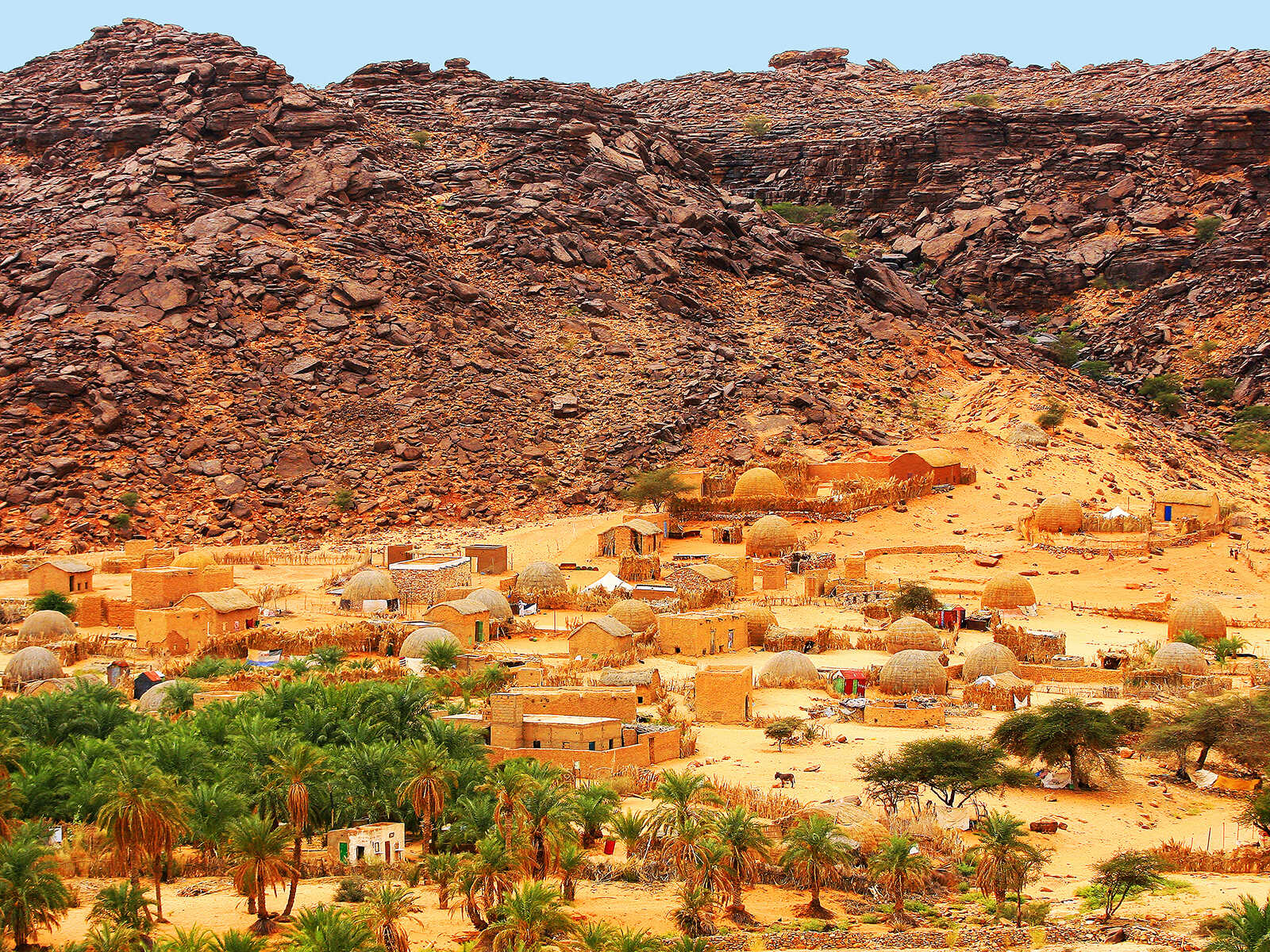
Mauritania's desert is far from monotonous. It encompasses diverse terrains that each present distinct photographic challenges and rewards. You'll encounter the iconic rolling sand dunes (ergs), which shimmer with different hues throughout the day, as well as the rocky, often dramaticregsor hammadas, like those found across the Adrar Plateau. Hidden within this arid expanse are surprising pockets of life, such as the lush palm groves of Terjit Oasis, offering a stark and beautiful contrast to the surrounding aridity.
Essential Gear for Desert Photography
To make the most of Mauritania's unique light and vastness, careful gear selection is paramount:
- Camera Body:A reliable DSLR or mirrorless camera with good dynamic range is crucial for handling the desert's high contrast.
- Lenses:
- Wide-angle (16-35mm):Perfect for expansive landscapes, capturing the grandeur of dunes and sky.
- Mid-range zoom (24-70mm or 24-105mm):Versatile for general scenes and environmental portraits.
- Telephoto (70-200mm or longer):Excellent for isolating distant details, compressing perspectives, and capturing wildlife or people from a respectful distance.
- Tripod:Indispensable for sharp low-light shots (sunrise, sunset, night sky) and for creating long exposures.
- Filters:
- Polarizing filter (CPL):Reduces glare, deepens blue skies, and enhances saturation.
- Neutral Density (ND) filters:Allows for longer exposures in bright conditions, perfect for blurring movement or smoothing water (if you find any!).
- Batteries and Memory Cards:Bring plenty! Power sources can be scarce, and you'll be shooting a lot.
- Cleaning Kit:A blower brush, microfiber cloths, and lens wipes are essential for combating dust and sand.
- Drone:If you're experienced, a drone can offer incredible aerial perspectives, especially for geological wonders like the Richat Structure. Be mindful of local regulations and privacy.
Protecting Your Gear in the Desert
The desert environment is harsh on electronics. Sand and heat are your biggest enemies:
- Dust and Sand Protection:Keep your camera in a sealed bag (like a large Ziploc or dry bag) when not in use. Use a rain cover or a dedicated dust cover while shooting in windy conditions. Avoid changing lenses in open, windy areas.
- Cleaning:Use a blower bulb to remove sand from crevices before wiping with a cloth. Never wipe directly with a cloth if there's coarse sand present, as it can scratch lenses.
- Heat Management:Direct sunlight can damage electronics. Keep your camera bag shaded whenever possible. Avoid leaving gear in a hot vehicle.
- Battery Life:Extreme heat can drain batteries faster. Keep spares in a cooler place.
Pro Tip:Before changing lenses, point your camera downwards. This minimizes the chance of sand particles falling onto your sensor.
Mastering Desert Light
Light is the photographer's best friend, and the desert offers some of the most dramatic light you'll ever encounter.
- Golden Hour:The period shortly after sunrise and before sunset. The low sun casts long, soft shadows, accentuating the contours of dunes and creating a warm, magical glow. This is prime time for landscape photography.
- Blue Hour:The twilight period just before sunrise or after sunset. The sky takes on deep blue hues, offering a beautiful contrast to any artificial lights or the last vestiges of light on the landscape.
- Midday:Avoid shooting directly in the harsh midday sun if possible, as it creates strong contrasts and flat light. If you must shoot, look for interesting shadows, focus on details, or consider black and white conversions to emphasize form and texture.
- Night Photography:Mauritania's vast, unpolluted skies are ideal for astrophotography. With a sturdy tripod and a fast wide-angle lens, you can capture stunning star trails or the Milky Way arching over ancient landscapes around places like Ouadane or the Adrar Plateau.
Composition and Storytelling
The immense scale of the desert can be challenging to capture effectively. Think about how to tell a story with your images:
- Leading Lines:Use the natural curves of dunes, camel tracks, or ancient pathways to draw the viewer's eye into the frame.
- Foreground Interest:Place interesting elements in the foreground – a unique rock, a hardy desert plant, or footprints – to add depth and scale.
- Scale:Include a person, a camel caravan, or a distant vehicle to convey the sheer vastness of the landscape.
- Silhouettes:During sunrise or sunset, position subjects against the bright sky to create dramatic silhouettes that emphasize shape and form.
- Reflections:If you're lucky enough to find water at an oasis like Terjit, look for opportunities to capture reflections.
- Negative Space:Embrace the emptiness. The vast expanse of sky or sand can create powerful, minimalist compositions.
Cultural Sensitivity and Ethics
Mauritania is rich in culture and history, particularly in ancient cities like Chinguetti and Ouadane. When photographing people, always prioritize respect and sensitivity:
- Ask Permission:It is crucial to ask for explicit permission before photographing individuals, especially women and children. A smile and a gesture often suffice, but learning a few basic Arabic phrases can be very helpful.
- Engage First:Before pointing your camera, try to engage with people. Share a greeting, have a brief conversation if possible.
- Respect Refusals:If someone declines to be photographed, respect their wishes immediately and without question.
- Candid vs. Posed:While posed shots can be great, try to capture candid moments that reflect daily life and interactions, but only after permission has been established.
Post-Processing Tips for Desert Shots
A little post-processing can bring your desert photos to life:
- White Balance:Adjust to bring out the warm tones of the sand and sky, especially for golden hour shots.
- Contrast and Clarity:Enhance these to make textures pop, but avoid overdoing it, which can make images look unnatural.
- Shadows and Highlights:Recover detail in deep shadows and blown-out highlights, which are common in high-contrast desert scenes.
- Dust Spot Removal:Carefully check your images for dust spots on the sensor, which are almost inevitable in the desert.
- Vignetting:A subtle vignette can help draw the eye to the center of your composition.
Key Locations for Photography in Mauritania
While the entire country is a photographic treasure, some spots are particularly noteworthy for desert landscapes:
- Adrar Plateau:A region of dramatic cliffs, ancient oases, and historic caravan cities. The contrast between the rocky terrain and the occasional green palms is stunning.
- Terjit Oasis:A verdant haven nestled in a canyon, providing lush green palm groves and natural springs – a refreshing subject amidst the sand.
- Richat Structure(Eye of the Sahara):Best viewed from above, this enormous geological dome is an awe-inspiring subject for drone photography or even from a plane. Its concentric rings are truly unique.
- Chinguetti and Ouadane:These ancient caravan cities, UNESCO World Heritage sites, offer incredible opportunities for architectural photography, capturing the timeless beauty of their stone structures against the desert backdrop.
Safety and Preparation
A successful photography trip to Mauritania also requires careful planning and awareness:
- Hydration:Always carry ample water. Dehydration is a serious risk in the desert.
- Sun Protection:Wide-brimmed hat, sunglasses, and high-SPF sunscreen are essential.
- Local Guides:Hiring experienced local guides is highly recommended for navigating the desert safely and respectfully. They can also offer insights into local culture and the best photographic spots.
- Communication:Consider a satellite phone or reliable GPS device, as mobile network coverage is limited in remote areas.
- Respect the Environment:Leave no trace. Pack out everything you pack in.
Mauritania is a land of profound beauty and stark contrasts, offering a unique challenge and immense reward for the intrepid photographer. With the right preparation, equipment, and a respectful approach, you'll return with images that tell compelling stories of this incredible desert realm.