
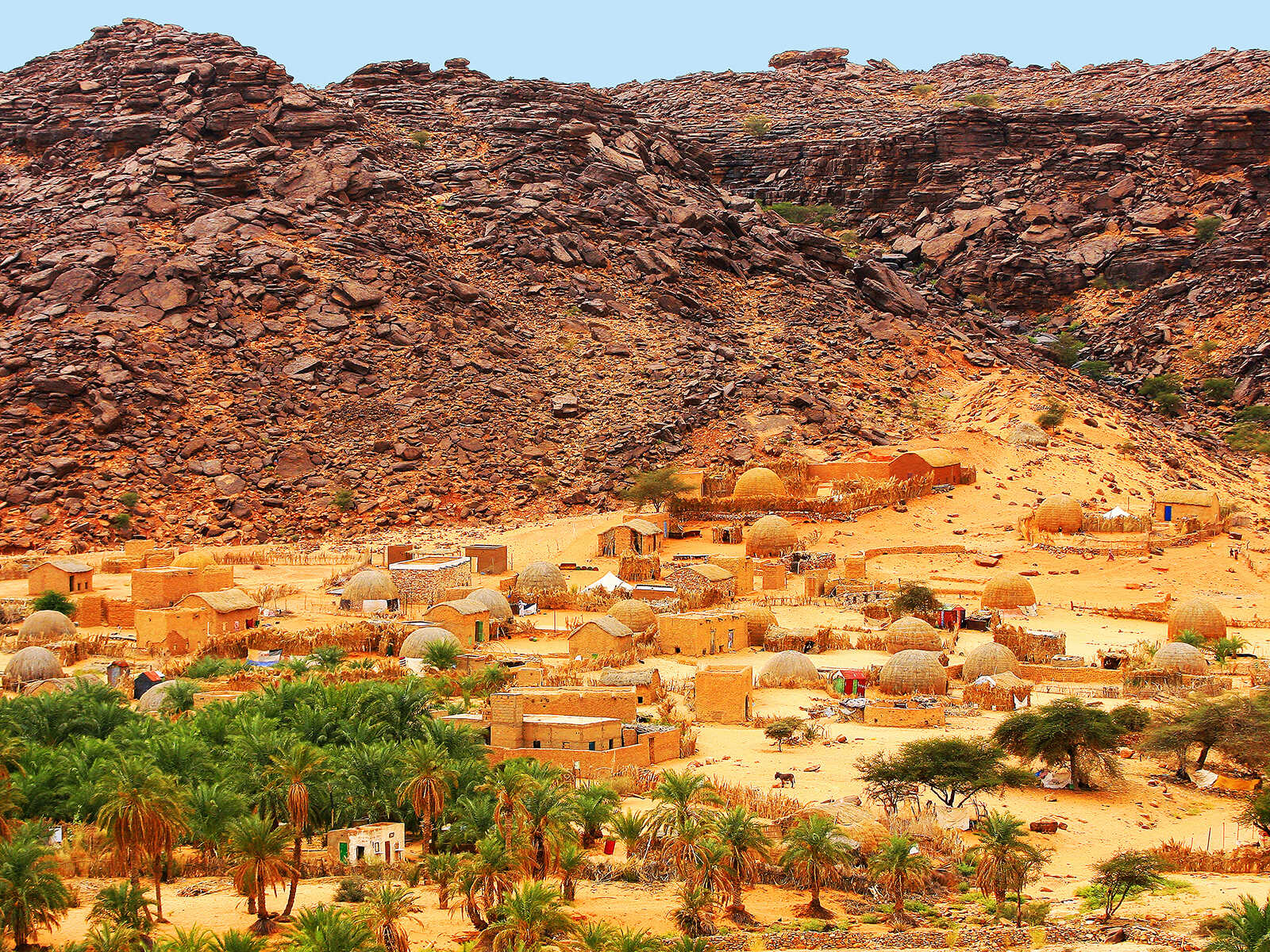
Photography Guide to Mauritania: Capturing the Sahara's Beauty
Mauritania, a land where the Sahara meets the Atlantic, offers photographers an unparalleled canvas of raw, untamed beauty. From endless golden dunes to ancient cities steeped in history, this West African nation presents a unique challenge and reward for those aiming to capture its soul through the lens. Prepare to immerse yourself in a landscape of dramatic contrasts and timeless traditions.
Why Mauritania for Photography?
Mauritania is a destination unlike any other, a true frontier for adventurous photographers. Its vastness is dominated by the Sahara Desert, offering dramatic landscapes that shift with the light – from towering erg dunes to ancient rock formations on the Adrar Plateau. Beyond the sand, you'll discover a rich cultural tapestry woven by nomadic communities and the enduring legacy of trans-Saharan trade routes, all bathed in a quality of light that is utterly captivating. The country's unique blend of desert, ocean, and ancient heritage provides endless photographic inspiration.
Essential Gear for Your Mauritanian Photo Safari
The harsh desert environment demands careful consideration for your equipment. Dust, heat, and limited power sources are key factors to plan for.
Camera Body and Lenses
- Camera Body:A sturdy DSLR or mirrorless camera is ideal. Consider a weather-sealed body for better dust resistance.
- Wide-Angle Lens (16-35mm or similar):Essential for expansive landscapes, star photography, and grand architectural shots like those found in Chinguetti.
- Mid-Range Zoom Lens (24-70mm or 24-105mm):Versatile for street photography, portraits, and general travel shots.
- Telephoto Lens (70-200mm or 100-400mm):Excellent for compressing desert scenes, capturing distant wildlife in areas like Banc d'Arguin National Park, or candid portraits from a respectful distance.
- Prime Lens (e.g., 50mm f/1.8):Great for low-light situations and creating beautiful bokeh for portraits.
Accessories
- Tripod:Absolutely crucial for stunning sunrise/sunset shots, long exposures, and astrophotography under Mauritania's clear desert skies.
- Filters:
- Circular Polarizer (CPL):Reduces glare, enhances sky blue, and saturates colors.
- Neutral Density (ND) Filters:Allows for longer exposures in bright conditions, perfect for blurring movement in sand or water.
- Graduated ND Filters:Balances bright skies with darker foregrounds, especially useful for landscapes.
- Extra Batteries:Heat drains batteries quickly. Carry at least 3-4 fully charged spares.
- Dust Blower & Lens Cleaning Kit:Desert dust is pervasive. Regularly clean your lenses and sensor.
- Multiple Memory Cards:Don't rely on just one. Bring ample storage.
- Headlamp:Indispensable for early morning/late night shoots and navigating in the dark.
Mastering the Mauritanian Light
The quality of light in Mauritania, particularly in the Sahara, is exceptionally dramatic and ever-changing. Understanding how to work with it is key to capturing truly memorable images.
Golden Hour and Blue Hour
These are your prime photographic windows. The hour after sunrise and the hour before sunset deliver soft, warm light that accentuates the contours of sand dunes and brings out the rich ochre and orange tones of the desert. The blue hour, just before sunrise or after sunset, offers a cooler, more ethereal glow, perfect for capturing silhouettes or the subtle beauty of ancient structures in Ouadane.
Midday Sun Challenges
The midday sun can be harsh, creating strong contrasts and blown-out highlights. During this time, focus on details, seek shade for portraits, or use it as an opportunity for black and white photography, emphasizing textures and shapes. Alternatively, use ND filters for long exposures, or take a break and recharge!
Night Photography
With minimal light pollution, Mauritania's desert skies are a stargazer's dream. The Milky Way can be breathtakingly clear. A sturdy tripod, wide-angle lens, and knowledge of your camera's manual settings are essential for capturing stunning astrophotography.
Iconic Mauritanian Photo Opportunities
Mauritania offers a diverse range of subjects, each with its own photographic charm.
Desert Landscapes
The vastness of the Sahara is endlessly photogenic. Focus on leading lines created by dunes, the textures of wind-swept sand, and the dramatic shadows at sunrise and sunset. Look for unique geological formations like the Richat Structure(the 'Eye of the Sahara'), best appreciated from above but still fascinating from the ground, or the rugged beauty of the Adrar Plateau.
Photography Tip:For desert landscapes, try to include a human element or a small object (like a camel or a lone tree) to convey scale and add a sense of story to the immense vistas.
Ancient Cities and Oases
The UNESCO World Heritage sites of Chinguetti and Ouadane are living museums. Capture the intricate mud-brick architecture, the ancient libraries, and the daily life unfolding in these timeless settlements. The refreshing greenery of an oasis like Terjit provides a beautiful contrast to the surrounding desert.
Wildlife and Coastal Scenes
Mauritania's coast is a haven for migratory birds and marine life.Banc d'Arguin National Park is a UNESCO site famous for its vast bird colonies and traditional Imraguen fishermen. Further south,Diawling National Park offers a different wetland environment. A telephoto lens is indispensable here.
Cultural Encounters
The people of Mauritania, from the nomadic Moors to the various ethnic groups, are integral to the country's identity. Always seek permission before photographing individuals, especially women. A friendly smile and a few words of Arabic can go a long way. Capture the vibrant colors of markets, the traditional dress, and the daily rhythms of life. Observing ceremonies or interactions with a respectful distance can yield powerful documentary shots.
Practical Photography Tips for Mauritania
Dust Management
Dust is your camera's enemy. Keep lens changes to a minimum, and perform them quickly in a sheltered spot. Use a rain cover or a sealed bag to protect your camera when not in use. Regularly clean your gear with a blower, not cloths that might scratch.
Battery Life
Extreme temperatures, both hot and cold (at night), can reduce battery efficiency. Keep spare batteries close to your body to maintain warmth in cold conditions, and store them in cool, shaded areas during the day.
Respectful Photography
This cannot be stressed enough. Mauritania is a conservative Islamic country. Always ask for permission before photographing people, especially women and children. Be prepared for some to decline. Respect their wishes. When photographing religious sites like the Chinguetti Mosque or the Mosqué Saudique, be mindful of prayer times and dress appropriately.
Safety and Logistics
Traveling with a local guide is highly recommended, especially in remote desert areas. They not only ensure your safety but also provide invaluable cultural insights and help facilitate interactions. Always carry plenty of water, and ensure your communication devices are charged.
Storytelling
Beyond capturing beautiful scenes, think about telling a story with your photographs. What makes Mauritania unique? How do people interact with their environment? Focus on details, emotions, and sequences to build a compelling narrative.
Post-Processing Your Mauritanian Images
Once you've captured your shots, post-processing is where you can truly bring out the magic of Mauritania. Focus on enhancing the natural beauty rather than creating artificial effects. Adjust white balance to accurately reflect the unique light, boost vibrance and saturation subtly, and use dodging and burning to emphasize textures and light. Sharpening and noise reduction (especially for night shots) will give your images a professional polish. Remember, less is often more.
Conclusion
Photographing Mauritania is an adventure that challenges your skills and rewards you with extraordinary images. It's a journey into a land of stark beauty, ancient traditions, and a light that paints the world in gold and ochre. With the right preparation, respect for the local culture, and an open mind, you'll return with a portfolio that truly captures the Sahara's profound and captivating beauty.