
Ouadane Travel Guide: UNESCO Heritage in the Adrar Desert
Nestled deep within Mauritania's vast Adrar Plateau, Ouadane is a captivating relic of the trans-Saharan trade, a testament to human resilience in the heart of the desert. This ancient ksar, a fortified desert town, offers a rare glimpse into a bygone era, officially recognized as a UNESCO World Heritage site.
Why Visit Ouadane?
For adventurous travelers seeking authentic cultural experiences and breathtaking natural beauty, Ouadane presents an unparalleled journey. It's not just a destination; it's an immersion into history, where the whispers of ancient caravans still echo through sun-baked stone walls. The isolation and stark beauty of Ouadane make it an incredibly rewarding visit, offering a profound sense of peace and discovery.
A Glimpse into Ouadane's Storied Past
The Rise and Fall of a Desert Metropolis
Founded in 1147, Ouadane quickly rose to prominence as a crucial stop on the trans-Saharan trade routes. It was a bustling hub where caravans exchanged salt, gold, dates, and other goods, connecting North Africa with the sub-Saharan regions. Its strategic location made it a center for both commerce and Islamic scholarship. In the 15th century, Ouadane gained further significance when the Portuguese established a trading post nearby, seeking access to the lucrative gold trade.
However, as maritime trade routes gained dominance and political shifts occurred, Ouadane, like many other desert cities, began a slow decline. Its prosperity waned, leaving behind the remarkably preserved ruins that tell its compelling story today.
UNESCO World Heritage Status
In 1996, Ouadane, along with its sister city Chinguetti and two other ancient ksour, was inscribed on the UNESCO World Heritage List. This recognition highlights its outstanding universal value as a well-preserved example of traditional Mauritanian settlements that played a vital role in the trans-Saharan trade. The authenticity of its architecture, urban fabric, and historical significance are unparalleled.
"The Ancient Ksours of Ouadane, Chinguetti, Tichitt and Oualata represent an outstanding example of a traditional way of life, centered on the nomadic culture of the people of the Sahara, and a unique architectural ensemble adapted to the extreme climate."
Exploring Ouadane: What to See and Do
The Ancient Ksar (Old Town)
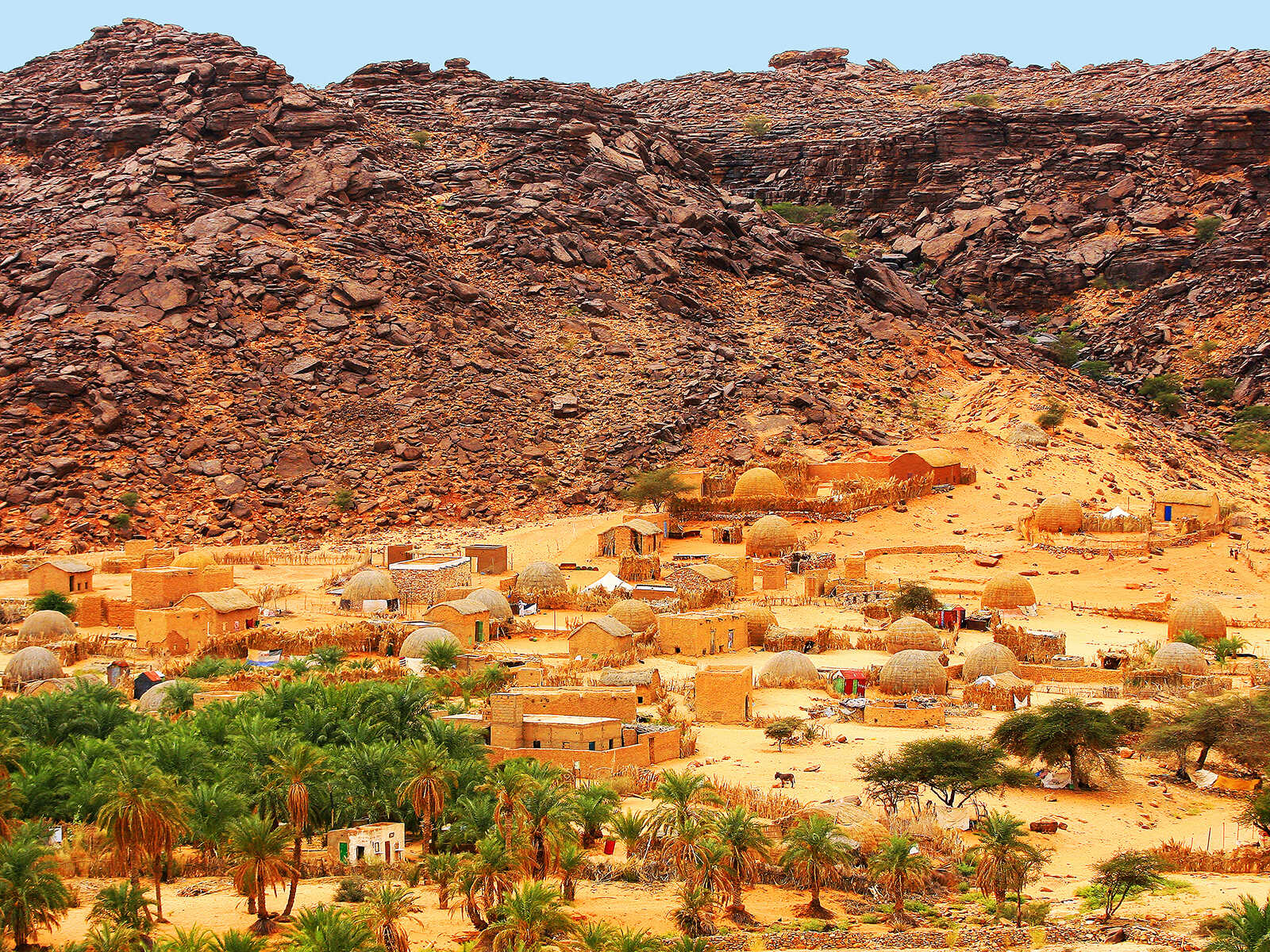
The heart of Ouadane's appeal lies in its ancient ksar. Wandering through its labyrinthine alleys is like stepping back in time. The stone houses, many now crumbling but still largely intact, are built into the hillside, offering stunning panoramic views of the surrounding desert. Look for:
- The Old Mosque:Though largely in ruins, the remains of the original mosque are a powerful reminder of Ouadane's religious and intellectual heritage.
- Fortified Walls:Explore the remnants of the protective walls that once guarded this desert stronghold.
- Narrow Passages:Get lost (in a good way) in the winding, shaded pathways designed to offer respite from the harsh sun.
Take your time to explore, allowing the silence and the majesty of the ruins to speak for themselves. The stark beauty of the ancient architecture against the backdrop of the golden desert is truly mesmerizing.
The Modern Town
Adjacent to the ksar, the modern town of Ouadane offers a glimpse into contemporary Mauritanian life. While much simpler than its ancient counterpart, it provides basic amenities and a chance to interact with friendly locals. You'll find small shops, a market, and local eateries.
Surrounding Desert Landscapes
The desert around Ouadane is an attraction in itself. Opportunities for exploration include:
- Dune Exploration:Experience the vastness of the Sahara with walks or camel treks into the dunes.
- Oasis Visits:Nearby oases like Terjit offer lush palm groves and refreshing springs, a stark contrast to the arid landscape.
- The Richat Structure:Often called the "Eye of the Sahara," this massive geological dome is a short distance from Ouadane and can be visited as a day trip, offering an otherworldly spectacle best appreciated from a high vantage point.
Planning Your Journey to Ouadane
Getting There
Accessing Ouadane is an adventure in itself, typically requiring a 4x4 vehicle. The most common route is from Atar, the main town in the Adrar Plateau. The journey involves traversing rough desert tracks, often without clear signage, making an experienced local driver and guide essential. The drive itself is part of the experience, offering stunning desert vistas.
Best Time to Visit
The cooler months, fromOctober to April, are ideal for visiting Ouadane. During this period, daytime temperatures are more pleasant for exploring, and nights are cool. Summers (May to September) can be intensely hot, making travel challenging.
Accommodation and Facilities
Accommodation options in Ouadane are modest but authentic, typically consisting of traditional auberges (guesthouses) or camping. These offer a genuine experience of desert hospitality. Facilities are basic; expect limited electricity, shared bathrooms, and simple meals. It's part of Ouadane's charm, emphasizing its remote and preserved nature.
Essential Packing List
- Water:Crucial for desert travel. Carry more than you think you'll need.
- Sun Protection:Hat, sunglasses, high-SPF sunscreen.
- Modest Clothing:Lightweight, breathable clothing that covers arms and legs is respectful of local customs and provides sun protection.
- Comfortable Walking Shoes:For exploring the ksar and desert terrain.
- Cash:ATMs are nonexistent; carry enough Mauritanian Ouguiya for your stay.
- Basic First-Aid Kit:For minor ailments.
- Headlamp/Flashlight:Useful in areas with limited electricity.
Practical Tips for Travelers
- Respect Local Customs:Mauritania is a deeply conservative country. Dress modestly, especially when visiting religious sites or interacting with locals. Always ask permission before photographing people.
- Stay Hydrated:Dehydration is a serious risk in the desert. Drink plenty of water throughout the day.
- Hire a Local Guide:An experienced local guide is invaluable for navigating the desert, understanding the history of Ouadane, and facilitating cultural interactions.
- Leave No Trace:Help preserve the pristine desert environment and historical sites by carrying out all your rubbish.
- Learn Basic Arabic/Hassaniya Phrases:A few simple greetings will go a long way in connecting with locals.
Beyond Ouadane: Other Mauritanian Treasures
While Ouadane is a highlight, Mauritania offers other incredible experiences. Consider extending your journey to explore the stunning coastal ecosystems of Banc d'Arguin National Park, a UNESCO site renowned for its migratory birds, or the wetlands of Diawling National Park. In the capital, Nouakchott, don't miss the vibrant fish market or the modern architecture of the Mosqué Saudique.
Conclusion
Ouadane is more than just an ancient town; it's a living museum, a testament to the ingenuity of desert civilizations, and a profound journey into the heart of Mauritania's rich cultural heritage. Its UNESCO status is well-deserved, preserving a unique architectural and historical legacy amidst the vast, silent beauty of the Sahara. For those willing to venture off the beaten path, Ouadane promises an unforgettable adventure, offering insights into a world shaped by trade, faith, and the enduring spirit of the desert.