
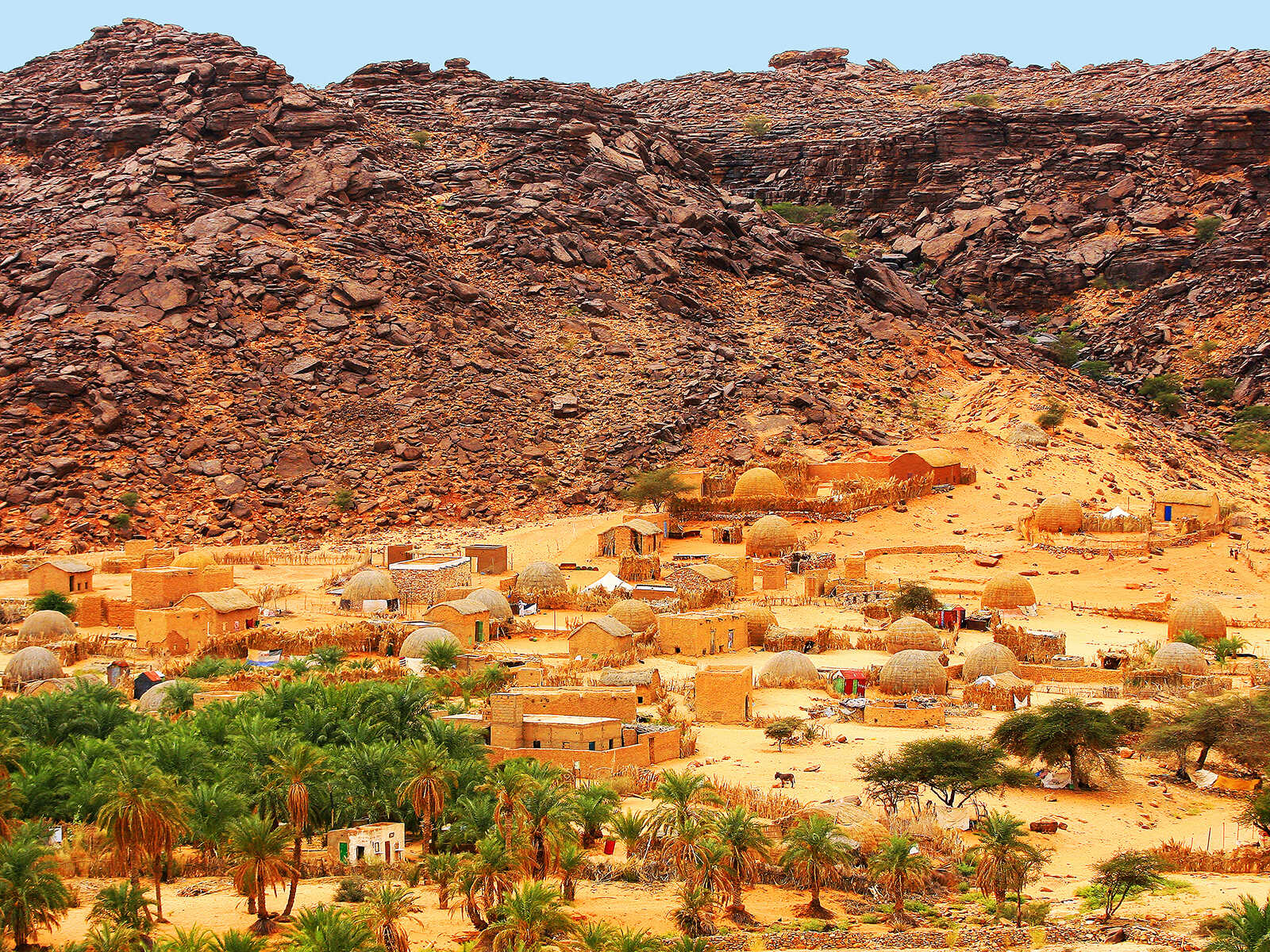
Learning about Mauritanian Handicrafts: Souvenirs and Local Art
Embark on a cultural journey through Mauritania by exploring its rich tradition of handicrafts. These unique creations offer a profound glimpse into the country's nomadic heritage and artistic spirit, making for truly authentic souvenirs and cherished pieces of local art.
The Soul of Mauritanian Craftsmanship
Mauritanian handicrafts are more than just items; they are a direct reflection of the nation's history, environment, and the ingenuity of its people. Influenced by Berber, Arab, and sub-Saharan African cultures, these crafts often utilize natural materials found in the desert landscape – leather from camels and goats, local wood, silver, and vibrant dyes. Each piece tells a story, carrying the essence of a land where tradition and artistry are deeply intertwined with daily life.
Discovering Key Mauritanian Handicrafts
Leatherwork: From Camel Saddles to Decorative Poufs
Leatherwork stands as one of Mauritania's most iconic crafts, a testament to its long nomadic history. Artisans skillfully transform camel and goat hides into a myriad of items, often dyed with natural pigments like indigo or henna. You'll find beautifully crafted handbags, wallets, sandals, and cushions. More elaborate pieces include intricately decorated poufs (ottomans) and even traditional camel saddles, often adorned with silver or brass studs and vibrant embroidery.
Fun Fact:The deep blue color often seen in Mauritanian leather and textiles is traditionally achieved using indigo, a dye that can sometimes transfer to the skin, leading to the local saying "blue men of the desert" for the Tuareg and other Saharan nomads.
Metalwork and Jewelry: Silver, Gold, and Intricate Designs
Mauritanian silversmiths are renowned for their intricate jewelry, often featuring delicate filigree and granulation techniques. Silver is the predominant metal, reflecting its historical significance in trade routes across the Sahara. Common pieces include large, ornate necklaces, bracelets, rings, and traditional amulets (gris-gris) believed to offer protection. Gold is also used, particularly for more elaborate ceremonial items. These pieces often incorporate semi-precious stones or amber beads, echoing ancient Saharan aesthetics.
Weaving and Textiles: Vibrant Patterns of the Desert
Textiles play a crucial role in Mauritanian culture, from practical items to decorative art. Handwoven carpets (zarabiyas) and blankets, typically made from sheep or camel wool, feature geometric patterns and rich, earthy tones reflecting the desert landscape. You'll also find traditional clothing like the flowingbouboufor men and the colorfulmalahfafor women, often made from cotton or silk blends and adorned with embroidery or printed designs. The quality and complexity of weaving can vary significantly, with some pieces requiring weeks or months to complete.
Woodcarving: Functional Art for Daily Life
While Mauritania is largely desert, woodcarving is an important craft, particularly in regions with more accessible timber. Artisans create functional items such as bowls, spoons, and traditional musical instruments like thetidinit(a four-stringed lute) or theardin(a harp-like instrument). The wood is often sourced from acacia or other hardy desert trees, and pieces may be adorned with simple, elegant carvings or geometric patterns.
Pottery and Ceramics: Simple Beauty from Clay
Pottery in Mauritania is typically utilitarian, focusing on items essential for daily life. Clay pots are used for cooking, storing water, and various household tasks. The designs are often simple yet robust, reflecting the practical needs of a desert environment. While less decorative than some other crafts, these pieces embody a deep connection to traditional methods and sustainable living.
Sand Paintings: Unique Desert Art
A more contemporary art form that has gained popularity is sand painting. Artists collect sands of varying natural colors from different parts of the desert, carefully arranging and adhering them to a surface to create stunning landscapes, scenes of nomadic life, or abstract designs. These unique pieces beautifully capture the essence of the Mauritanian desert and make for distinctive souvenirs.
Where to Find Authentic Handicrafts
Markets (Souqs) in Nouakchott and Beyond
The bustling markets (souqs) are the heart of Mauritanian commerce and the best place to find a wide array of handicrafts. The Grand Marché in Nouakchott is a vibrant hub where you can explore countless stalls selling everything from leather goods to jewelry and textiles. Remember that bargaining is a customary part of the shopping experience here.
Artisan Cooperatives and Workshops
For a more direct experience and to ensure your purchase directly supports the creators, seek out artisan cooperatives and workshops. These often provide insights into the production process and allow you to see craftsmen at work. In smaller towns, asking locals about specific artisans can lead to unique finds and meaningful interactions.
Visiting Ancient Cities for Specialized Crafts
The historic cities of Mauritania, particularly those nestled in the Adrar Plateau, offer a chance to discover crafts deeply rooted in ancient traditions. In places like Chinguetti and Ouadane, you might find specific regional variations of textiles, leatherwork, or manuscript art that reflect centuries of cultural exchange and craftsmanship. Exploring these UNESCO World Heritage sites is an experience in itself, with unique shopping opportunities.
Tips for Buying Mauritanian Handicrafts
Authenticity and Quality
When selecting your souvenirs, look for signs of genuine craftsmanship. Handmade items will often have slight imperfections that add to their character. Inquire about the materials used – natural leather, pure silver, and handwoven textiles are indicators of quality. Don't be afraid to ask questions about the origin and the artisan behind the piece.
Bargaining (Haggling)
Bargaining is expected in Mauritanian markets and is often a friendly exchange. Start with an offer significantly lower than the asking price and work your way up. Do so respectfully and with a smile. It's not just about getting a good price; it's part of the cultural interaction.
Transporting Your Treasures
Consider how you will transport your purchases, especially if they are fragile or bulky. For delicate items like pottery or intricate jewelry, ensure they are well-wrapped and protected. Leather goods and textiles are generally easier to pack. If buying larger pieces, discuss shipping options with the vendor, though this can be costly.
Supporting Local Artisans
Purchasing handicrafts directly supports the livelihoods of local artisans and helps preserve traditional skills. Your investment contributes to the cultural heritage of Mauritania and ensures these crafts continue to thrive for future generations. Choose pieces that resonate with you, knowing you're taking home a piece of Mauritanian soul.
Beyond Souvenirs: The Cultural Impact
Mauritanian handicrafts are more than mere decorative items; they are living expressions of a rich cultural identity. Each purchase helps sustain traditional knowledge, provides income for communities, and keeps ancient artistic practices alive. By bringing a piece of Mauritanian art into your home, you become a part of this enduring legacy, celebrating the skill, creativity, and spirit of the Mauritanian people.
Exploring the handicrafts of Mauritania is an immersive experience, connecting you with the heart of its culture. From the intricate silverwork to the vibrant textiles and robust leather goods, each item tells a story of the desert, its people, and their timeless artistic traditions.