
Is Mauritania Safe to Visit? Essential Safety Tips for Travelers
Mauritania, a land of vast deserts, ancient cities, and stunning coastlines, offers a truly unique travel experience. While its allure is undeniable, many prospective visitors naturally ponder the question of safety. With proper preparation and awareness, exploring this captivating West African nation can be a remarkably rewarding and secure adventure.
Understanding the Safety Landscape in Mauritania
Mauritania has faced historical challenges, but in recent years, the government has significantly improved security measures, particularly in tourist areas. While official travel advisories from various countries may still recommend caution, many travelers visit without incident, emphasizing the importance of informed decision-making and adherence to local advice. The primary concerns typically revolve around petty crime in urban areas and the logistical challenges of remote desert travel, rather than widespread violent crime affecting tourists.
Common Safety Concerns and How to Mitigate Them
Petty Crime
Like many countries, urban centers such as Nouakchott and Nouadhibou can experience petty crime, including pickpocketing and bag snatching. This is more common in crowded markets (souks) and bus stations.
- Mitigation:Keep valuables out of sight, carry only necessary cash, use a money belt, and be aware of your surroundings. Avoid walking alone at night in poorly lit areas.
Road Safety
Road conditions outside major cities can be poor, and driving standards may differ from what you're accustomed to. Sand encroachment on roads is also a common hazard.
- Mitigation:If self-driving, opt for a 4x4 vehicle. Consider hiring a reputable local driver or taking organized tours, especially for long distances or desert excursions. Avoid driving at night, as animals on the road pose a significant risk.
Health & Hygiene
Access to quality medical facilities is limited, particularly outside of Nouakchott. Food and waterborne illnesses are also a concern.
- Mitigation:Drink only bottled or purified water. Be cautious with street food; opt for freshly cooked meals. Carry a basic first-aid kit, and ensure all necessary vaccinations are up to date. Consult your doctor well in advance of your trip.
Cultural Sensitivity & Local Customs
Mauritania is a deeply conservative Islamic country. Respecting local customs is not only a sign of courtesy but also a crucial aspect of personal safety, helping you avoid unintentional offense.
- Mitigation:Dress modestly, especially women, covering shoulders and knees. Ask for permission before taking photos of people. Be mindful of prayer times and avoid consuming alcohol openly. Learn a few basic Arabic or Hassaniya phrases – locals appreciate the effort.
Mauritania is home to a rich nomadic culture. Engaging respectfully with local communities, perhaps by accepting an invitation for mint tea, can be one of the most memorable parts of your journey.
Scams & Tourist Traps
While not prevalent, opportunistic scams can occur, often involving overcharging for goods or services, or false guiding.
- Mitigation:Agree on prices beforehand, especially for taxis or goods in markets. Use reputable tour operators. Be wary of overly friendly strangers offering unsolicited help or gifts.
Natural Hazards: Desert & Heat
The vast desert landscape, while stunning, presents significant environmental challenges, including extreme heat, sandstorms, and the risk of getting lost.
- Mitigation:Always carry plenty of water. Dress in light, breathable clothing to protect from the sun. If venturing into the desert, always go with experienced local guides, ideally in a convoy of at least two vehicles. Inform someone of your itinerary. The Adrar Plateau, for instance, requires careful planning.
Specific Areas and Considerations
Urban Centers: Nouakchott & Nouadhibou
These are the country's largest cities and main points of entry. While generally safe during the day, standard precautions against petty crime apply. Be particularly cautious in crowded areas like markets or around the Mosqué Saudique in Nouakchott.
The Desert Regions
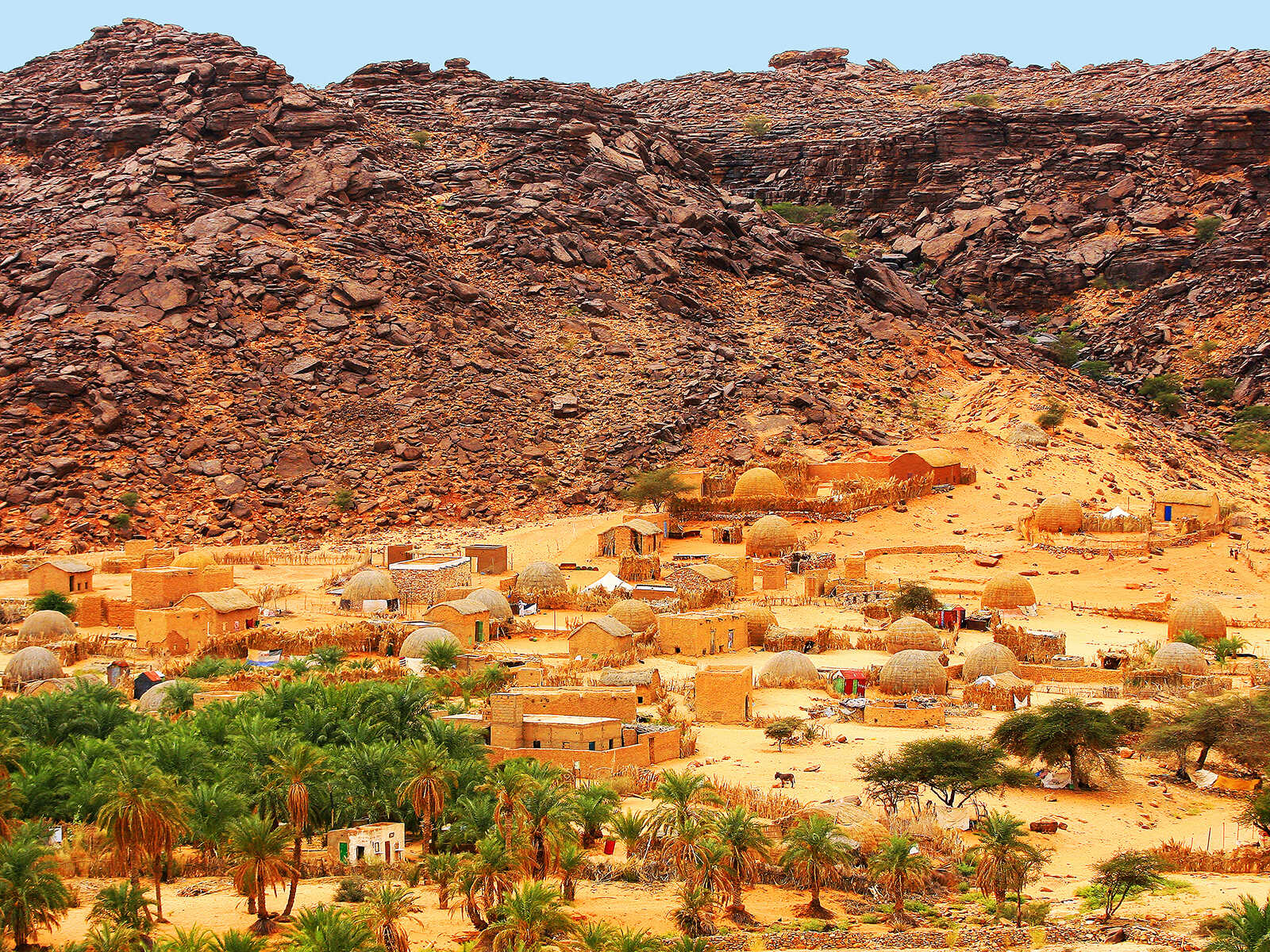
Mauritania's heart lies in its desert. Places like the Adrar Plateau, home to ancient cities like Chinguetti and Ouadane, and natural wonders such as the Richat Structure and the oasis of Terjit, are major draws. These areas are vast and remote.
- Safety Tip:Always travel with an experienced, reputable local guide or as part of an organized tour when exploring these regions. They understand the terrain, local customs, and potential hazards. Ensure your vehicle is well-maintained and stocked with emergency supplies, including extra fuel and water.
Coastal Areas: Banc d'Arguin & Diawling National Parks
The Atlantic coast, particularly the Banc d'Arguin National Park and Diawling National Park, offers incredible birdwatching and marine life. Access to these protected areas is typically regulated.
- Safety Tip:Adhere to park rules and regulations. Use authorized guides and tour operators for excursions into these sensitive ecosystems.
Essential Pre-Travel Preparations
Travel Insurance
Comprehensive travel insurance is non-negotiable. Ensure it covers emergency medical treatment, evacuation, trip cancellation, and lost luggage. Verify that it includes coverage for any adventure activities you plan, such as desert trekking.
Visas & Documentation
Check visa requirements well in advance. Keep copies of your passport, visa, and other important documents separate from the originals, both physical and digital.
Health Precautions
Consult a travel doctor several weeks before your trip. Vaccinations for Yellow Fever, Hepatitis A & B, Typhoid, and Tetanus are often recommended. Discuss malaria prevention if traveling to affected areas, although Mauritania is generally considered low-risk for most of the country.
Research & Local Contacts
Stay updated on current events by checking government travel advisories. Keep contact details for your embassy or consulate in Mauritania, as well as trusted local contacts (e.g., tour operator, hotel).
During Your Trip: Practical Safety Tips
Stay Informed
Be aware of local news and any potential political developments. Follow advice from local authorities and your tour operator.
Blend In
Dress modestly, as mentioned, and try not to draw undue attention to yourself. Avoid overt displays of wealth.
Protect Valuables
Use hotel safes for passports and and large sums of cash. When out, carry only what you need and distribute money in different pockets.
Hydration & Sun Protection
The desert climate can be unforgiving. Drink plenty of water throughout the day, even if you don't feel thirsty. Use high-SPF sunscreen, wear a wide-brimmed hat, and sunglasses.
Trust Your Gut
If a situation or a person feels off, trust your instincts and remove yourself from the situation. It's always better to be safe than sorry.
Emergency Contacts
Know the local emergency numbers (e.g., police) and have them easily accessible on your phone. Inform family or friends of your itinerary.
Embracing the Mauritanian Experience Safely
Mauritania offers an unparalleled journey into ancient traditions, breathtaking desert landscapes, and warm hospitality. While it requires a greater degree of preparation and awareness than some more conventional destinations, the rewards for the intrepid traveler are immense. By understanding the local context, taking sensible precautions, and respecting its rich culture, your visit to Mauritania can be an incredibly safe, enriching, and unforgettable adventure.