
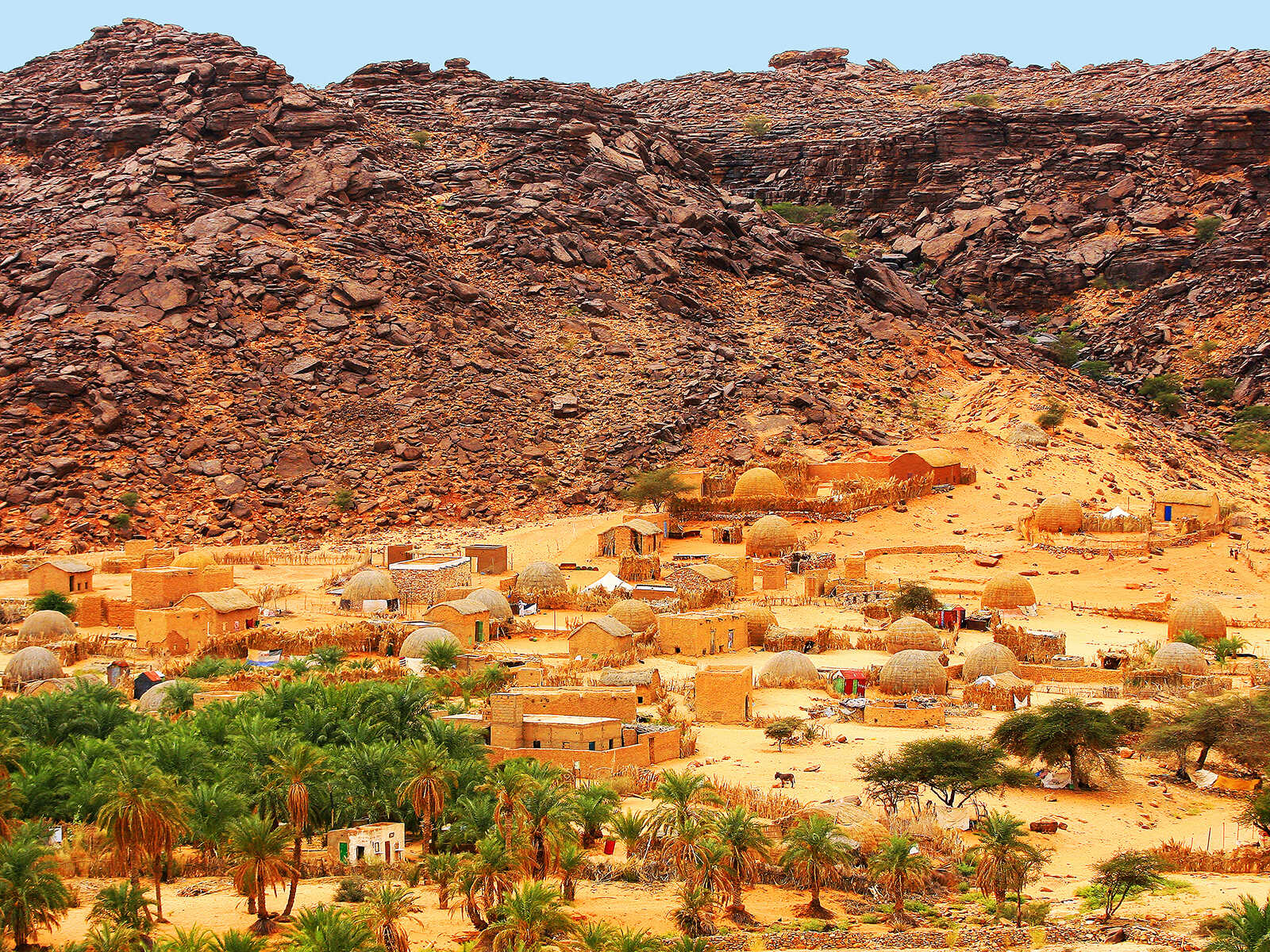
How to Get Around Mauritania: Transportation Guide for Adventurers
Venturing into Mauritania offers an unparalleled adventure, a journey through vast desert landscapes and ancient cultures. While the country's infrastructure presents unique challenges, understanding its transportation network is key to unlocking an authentic and unforgettable experience.
Arriving in Mauritania
Your Mauritanian adventure typically begins with arrival, primarily by air or land.
By Air
Most international flights arrive atNouakchott–Oumtounsy International Airport (NKC), located just north of the capital city. From here, you can arrange a taxi or pre-booked transfer into Nouakchott. Another international gateway isNouadhibou International Airport (NDB), serving the northern economic hub.
By Land
Overland travel is common for those coming from neighboring countries. Key land borders include:
- Morocco/Western Sahara:The Guerguerat crossing near Dakhla, leading to Nouadhibou, is a popular route, though it involves navigating a challenging "no man's land."
- Senegal:Crossings at Rosso and Diama provide access from the south. The Rosso crossing is often more direct but can be chaotic; Diama offers a more serene, though sometimes longer, route.
- Mali:Several crossings exist, but security situations can be volatile, making it essential to check current travel advisories before planning.
Navigating Mauritanian Cities
Once in a major city like Nouakchott or Nouadhibou, local transport is relatively straightforward, albeit often rustic.
Taxis
Taxis are the primary mode of urban transport. They are typically shared, meaning the driver will pick up and drop off multiple passengers heading in a similar direction. For a more direct journey, you can negotiate to hire a taxi privately, often referred to as a "course." Always agree on the fare before starting your ride. In Nouakchott, you might want to visit the Mosqué Saudique.
Walking
While possible for short distances in less busy areas, walking extensively in Mauritanian cities, especially during the day, can be challenging due to heat, uneven pavements, and heavy traffic. It's generally advisable to use taxis for anything beyond a quick stroll.
Inter-City and Regional Travel
Connecting Mauritania's scattered towns and regions is an adventure in itself, dominated by shared vehicles and, uniquely, a remarkable train journey.
Shared Bush Taxis (Sept-Place)
These older Mercedes cars, known as "sept-place" (seven-seater), are the backbone of inter-city transport. They depart from designated "gares routières" (bus stations) or taxi stands once they are full. Expect a crowded but authentic experience. Journeys can be long and dusty, so bring water, snacks, and patience. They connect most major towns and are often the only practical way to reach places like Atar, the gateway to the Adrar Plateau.
Buses
A limited number of bus companies operate on major paved routes, often providing a slightly more comfortable, though not necessarily faster, option than shared taxis. These are best for longer, well-established routes between Nouakchott, Nouadhibou, and some southern towns. Tickets are typically purchased at the bus station.
The Iron Ore Train: An Unforgettable Journey
For the truly adventurous, riding the Mauritania Railway's iron ore train is a bucket-list experience. Stretching approximately 700 kilometers from the iron mines of Zouérat to the port of Nouadhibou, it's one of the longest and heaviest trains in the world. While passenger carriages are available (often basic), many travelers opt for the raw experience of riding atop the open wagons filled with iron ore.
The Mauritania Railway's iron ore train can be over 2.5 kilometers long, carrying millions of tons of ore across the Sahara. It's an incredible feat of engineering and a unique travel experience.
If you choose to ride on top of the ore, prepare for extreme conditions: intense heat or cold, strong winds, dust, and no facilities. Bring warm clothing (even in summer, desert nights are cold), a sleeping bag, food, plenty of water, goggles, and a scarf to protect against the iron dust. This journey is not for the faint of heart but offers unparalleled views of the Sahara and a true taste of local life.
Exploring Remote Areas and the Sahara
Mauritania's most captivating sights lie deep within its vast desert, requiring specialized transportation.
4x4 Vehicles
To truly explore the heart of Mauritania, including destinations like the Richat Structure, the ancient library cities of Chinguetti and Ouadane, or the oasis of Terjit, a reliable 4x4 vehicle is essential.
- Hiring a 4x4 with a Driver/Guide:This is the most recommended option for visitors. Local drivers are highly experienced in navigating the challenging desert terrain, know the best routes, and understand local customs. They can also assist with planning and logistics.
- Self-Drive:While possible for experienced off-road drivers, self-driving in Mauritania's vast and often unmarked desert is fraught with risks, including getting lost, vehicle breakdowns, and security concerns. It's strongly advised against unless you are part of a well-equipped convoy with extensive desert driving experience and robust satellite communication.
Organized Tours
Many tour operators specialize in Mauritanian desert expeditions, offering comprehensive packages that include 4x4 transport, guides, accommodation (often camping), and all necessary logistics. This is an excellent way to experience the country's wonders safely and comfortably, allowing you to focus on the adventure.
Camel Treks
For shorter, more immersive desert experiences, particularly around oases or cultural sites, camel treks can be arranged. These offer a traditional and serene way to experience the desert, often led by local nomads.
Coastal and Southern Destinations
Travel to coastal areas like Banc d'Arguin National Park or southern regions near Diawling National Park may require a combination of shared taxis or buses to nearby towns, followed by local arrangements (often 4x4s or local boats) to reach the park entrances or specific viewing points. Always check access requirements and local transport options in advance.
Safety and Practical Tips for Mauritanian Transport
- Road Conditions:Many roads outside major arteries are unpaved, sandy, or heavily potholed. Desert tracks are often faint or non-existent.
- Navigation:Always carry a reliable GPS device, detailed maps, and a compass, especially when venturing into remote areas. Even with a local driver, it's wise to have backup navigation.
- Water and Supplies:Always carry abundant water, food, and emergency supplies, especially for longer journeys. Distances between towns can be vast with no services.
- Fuel:Fuel stations are scarce outside major towns. Ensure your vehicle's tank is full before long desert trips.
- Communication:Satellite phones or reliable local SIM cards (Moov, Mattel, Chinguitel) are crucial for communication, especially in remote areas where mobile network coverage is limited.
- Security:While generally welcoming, Mauritania has areas with elevated security risks. Always consult your embassy's travel advisories and consider local advice.
- Travel Insurance:Comprehensive travel insurance that covers emergency evacuation and medical expenses is non-negotiable for any trip to Mauritania.
- Flexibility:Travel in Mauritania often involves delays, unexpected detours, and changes in plans. Embrace the journey with an open mind and a sense of humor.
Conclusion
Traveling through Mauritania is an adventure for the intrepid, a test of patience, and a reward for perseverance. Whether you're navigating bustling city streets, rumbling across the desert on a shared taxi, or experiencing the epic iron ore train, the transportation itself becomes an integral part of your unforgettable journey through this captivating West African nation. Prepare well, respect local customs, and you'll discover the profound beauty and unique spirit of Mauritania.