
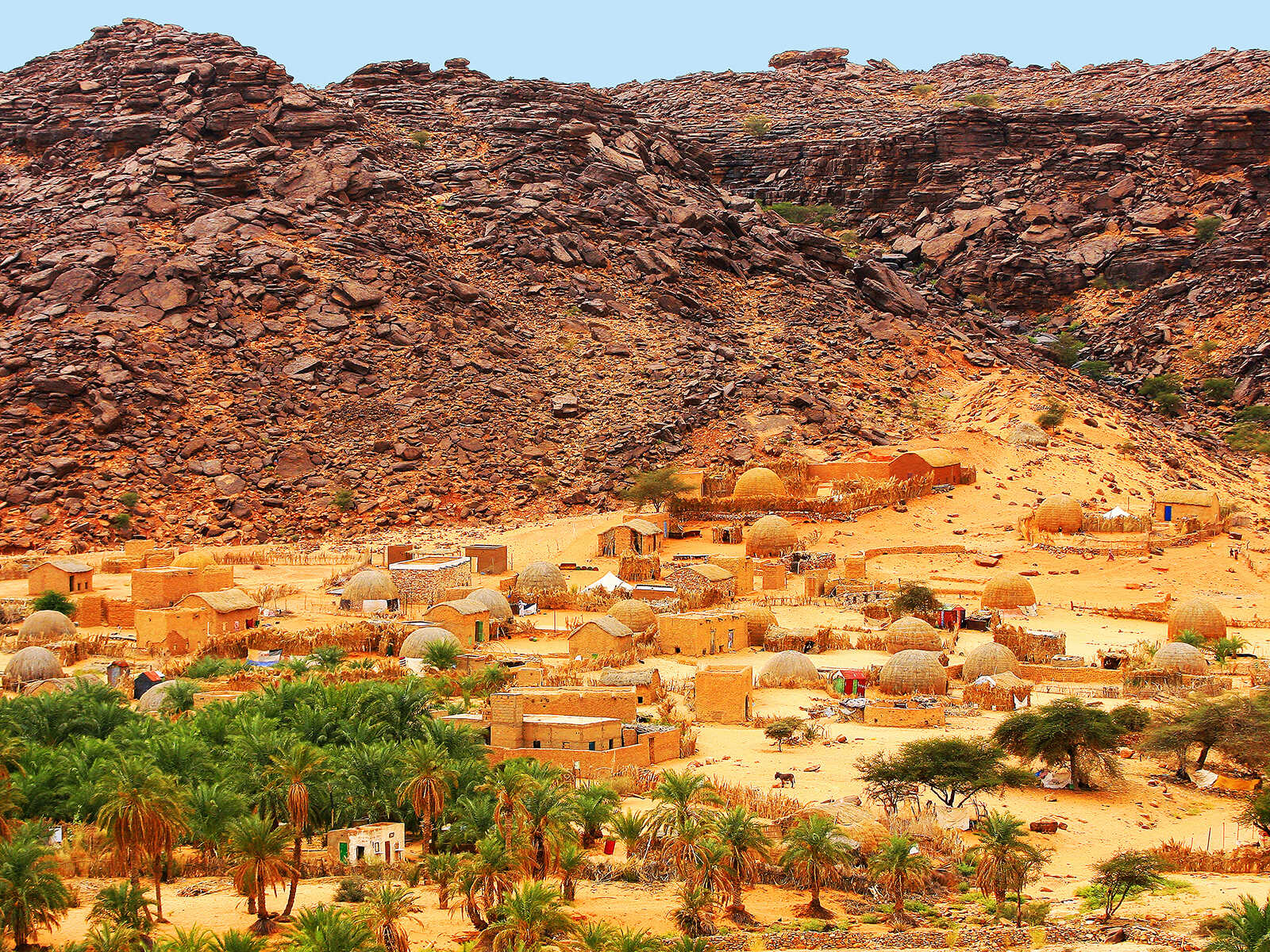
From Desert to Coast: Exploring Mauritania's Diverse Landscapes
Mauritania, a land often overlooked, offers an extraordinary tapestry of landscapes, from the vast, golden dunes of the Sahara to the vibrant, bird-rich shores of the Atlantic. This West African nation provides a unique journey through ancient cities, dramatic geological formations, and diverse ecosystems that captivate every traveler.
The Enigmatic Sahara: Mauritania's Desert Heart
The majority of Mauritania is covered by the Sahara Desert, a realm of breathtaking beauty and profound silence. This isn't just endless sand; it's a dynamic landscape of towering erg dunes, stark hammada (rocky plateaus), and hidden oases that have sustained life for millennia.
The Adrar Plateau: A Realm of Ancient Wonders
Central to Mauritania's desert allure is the Adrar Plateau. This ancient mountain range, carved by wind and time, reveals spectacular canyons, dramatic cliffs, and an incredible sense of timelessness. It's a prime area for exploring the true essence of the Sahara.
- Oasis Life:Within the Adrar, oases like Terjit offer a refreshing contrast to the arid surroundings. Here, palm groves flourish around natural springs, providing cool shade and a haven for both people and wildlife.
- Ancient Cities:The Adrar is also home to UNESCO World Heritage sites, former trans-Saharan trade hubs that bear witness to a rich history. The ancient city of Chinguetti, with its iconic mosque and libraries preserving ancient manuscripts, feels like stepping back in time. Nearby,Ouadane offers another glimpse into Mauritania's past, with its crumbling stone architecture perched on a hill overlooking the desert.
- Geological Marvels:One of the desert's most striking features is the Richat Structure, often dubbed the "Eye of the Sahara." This massive, circular geological formation, visible from space, presents a mesmerizing pattern of concentric rings, still largely a mystery in its formation.
Did you know?The ancient cities of Chinguetti and Ouadane were once crucial stops on the trans-Saharan trade routes, facilitating the exchange of salt, gold, and knowledge between North and West Africa.
The Atlantic Coast: A Haven of Biodiversity
Shifting dramatically from the dry interior, Mauritania's Atlantic coastline stretches for over 700 kilometers, offering a completely different ecological experience. This coastline is characterized by vast sandy beaches, shallow waters, and an incredible abundance of marine life.
Banc d'Arguin National Park: Where Desert Meets Ocean
The crown jewel of Mauritania's coast is the Banc d'Arguin National Park, another UNESCO World Heritage site. This unique park is a vital breeding ground for millions of migratory birds from Europe and Siberia, making it a birdwatcher's paradise. The shallow waters and extensive mudflats create a rich feeding ground for diverse species.
- Avian Spectacle:Expect to see flamingos, pelicans, terns, and various waders in colossal numbers, especially during migration seasons.
- Imraguen Fishermen:The park is also home to the Imraguen people, a local fishing community who use traditional sailing canoes (lanchas) and unique fishing techniques, often collaborating with dolphins to herd fish. Their sustainable way of life is deeply intertwined with the park's ecosystem.
The Senegal River Basin: Lush Wetlands and Wildlife
In the far south, along the border with Senegal, Mauritania's landscape transforms yet again into a lush, riverine environment. The Senegal River brings life to a region otherwise subject to desert influences, supporting diverse flora and fauna.
Diawling National Park: A Wetland Oasis
Located in the delta of the Senegal River,Diawling National Park stands in stark contrast to the arid north. This wetland ecosystem is crucial for both resident and migratory birds, and provides a habitat for various mammals and reptiles adapted to semi-aquatic life. It's an important site for conservation efforts, managing the balance between agriculture, fishing, and biodiversity protection in the region.
Cultural Tapestry Woven by Landscape
Mauritania's diverse landscapes have profoundly shaped its culture, traditions, and history. The nomadic spirit of the desert tribes, the ancient wisdom preserved in oasis cities, and the maritime heritage of the coastal communities all contribute to a rich and complex national identity. Even in the bustling capital of Nouakchott, where modern life thrives, the influences of the desert and the sea are palpable. The impressive Mosqué Saudique stands as a testament to modern Islamic architecture in this dynamic urban setting.
Practical Tips for Exploring Mauritania
Embarking on an adventure through Mauritania's diverse landscapes requires some preparation:
- Best Time to Visit:The cooler months from October to April are generally most comfortable for desert exploration.
- Guides are Essential:For desert travel, especially off main routes, hiring experienced local guides is highly recommended for safety and to gain deeper cultural insights.
- Respect Local Customs:Mauritania is a deeply conservative Islamic country. Dress modestly, particularly outside of major cities, and be mindful of local customs and traditions.
- Photography:Always ask for permission before photographing people.
- Water and Sun Protection:Carry ample water, wear wide-brimmed hats, sunglasses, and use sunscreen, especially in the desert.
Conclusion
From the awe-inspiring immensity of the Sahara to the vibrant ecosystems of its Atlantic coast and southern wetlands, Mauritania offers an unparalleled journey into diverse and untamed beauty. It's a destination for the intrepid traveler seeking genuine cultural encounters, breathtaking natural wonders, and a profound sense of discovery in a land where ancient traditions meet spectacular landscapes.