
Exploring the Adrar Plateau: Landscapes, Oases & Rock Art
Embark on an unforgettable journey into the heart of Mauritania's interior, where the Adrar Plateau unfolds a dramatic tapestry of ancient landscapes, historic oases, and captivating prehistoric rock art. This remote region offers a profound glimpse into Saharan life, history, and natural beauty.
The Adrar Plateau: A Geological Marvel
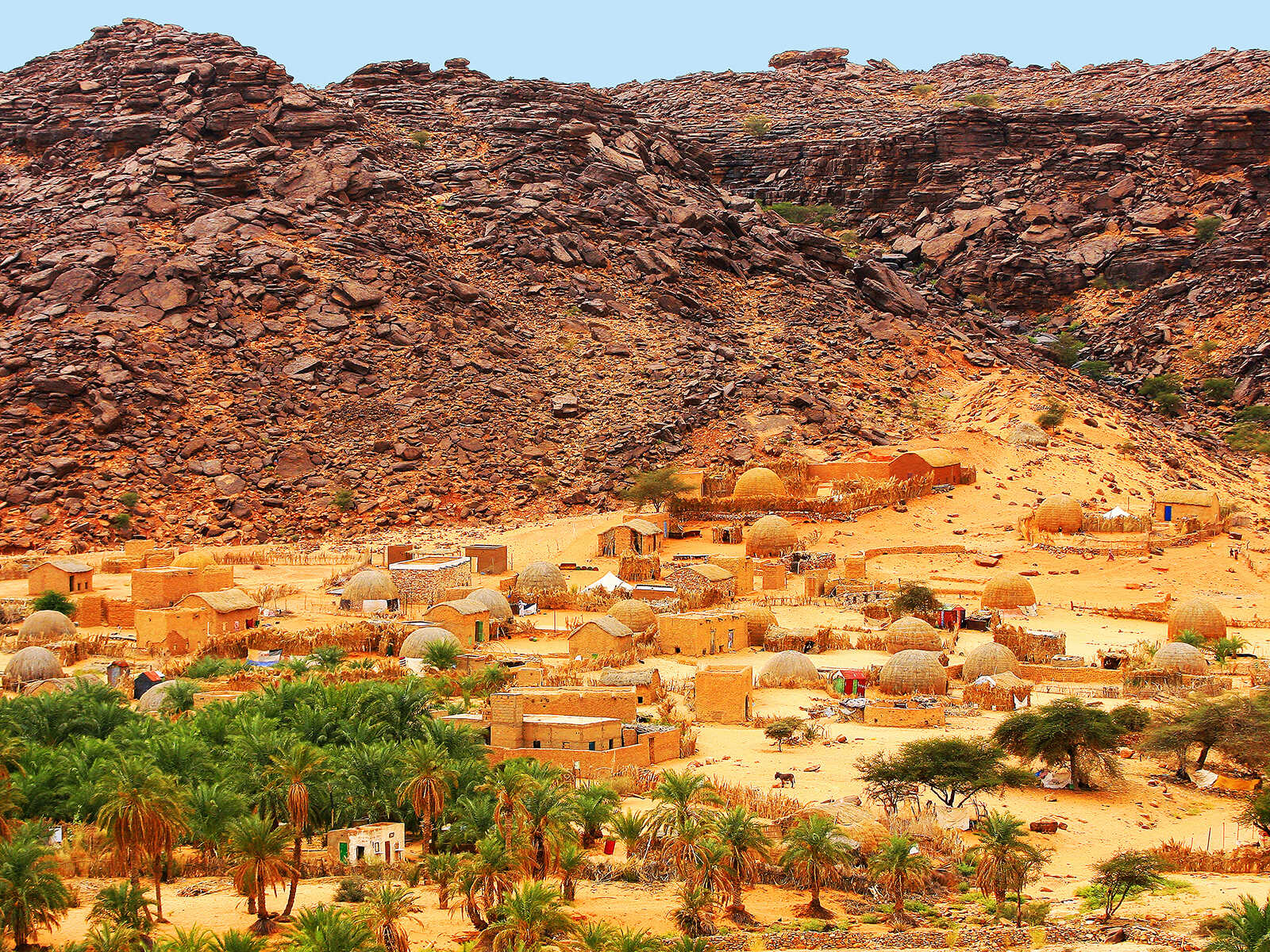
The Adrar Plateau is a vast, arid region characterized by its striking geological formations. Here, towering sandstone massifs, sculpted by millennia of wind and water erosion, give way to expansive sandy ergs (dune fields) and ancient wadis (dry riverbeds). This stark beauty is not merely a backdrop but a central character in the Adrar experience, offering breathtaking vistas and a profound sense of isolation and wonder.
Geologically, the plateau is a testament to Earth's immense timescales, with layers of rock revealing different epochs. Its rugged terrain, dotted with acacia trees and hardy desert flora, supports a surprising array of wildlife adapted to the harsh conditions.
Timeless Oases: Havens in the Desert
Scattered amidst the formidable landscapes of the Adrar are a series of life-giving oases, each a vibrant testament to human resilience and ingenuity. These oases are not just sources of water; they are historical centers, trade hubs, and cultural strongholds.
Chinguetti: The Seventh Holy City of Islam
One of the most famous and historically significant oases is Chinguetti, a UNESCO World Heritage site often referred to as the "Seventh Holy City of Islam." Founded in the 13th century, Chinguetti was a crucial stop on trans-Saharan trade routes and a center of Islamic scholarship. Its ancient mosque, built from dry-stone construction, is a masterpiece of Saharan architecture, and its libraries house thousands of ancient manuscripts, preserving centuries of knowledge in astronomy, mathematics, law, and Quranic studies.
Traveler Tip:When visiting the ancient libraries of Chinguetti, remember to inquire about the specific opening hours and consider a small donation to help preserve these invaluable historical texts.
Ouadane: The Ruined City
Another UNESCO World Heritage site,Ouadane, holds a haunting beauty. Established in the 12th century, its ruined stone houses cling to a hillside, overlooking a palm grove. Ouadane also played a vital role in the trans-Saharan trade of salt, gold, and dates. Exploring its labyrinthine alleys and crumbling structures offers a powerful connection to the past, allowing visitors to imagine the bustling life that once thrived here.
Not far from Ouadane lies the enigmatic Richat Structure, often called the "Eye of the Sahara." While not directly on the Adrar Plateau, its proximity makes it a fascinating sight for those exploring the wider region, offering a glimpse into another geological marvel.
Terjit: The Oasis Paradise
For a more relaxing experience, the oasis of Terjit provides a tranquil escape. Nestled within a canyon, Terjit boasts refreshing natural springs, lush palm groves, and a surprisingly cool microclimate. It's an ideal spot for weary travelers to unwind, bathe in the cool waters, and enjoy the serenity of the desert environment.
Prehistoric Rock Art: Echoes from the Past
The Adrar Plateau is a treasure trove of prehistoric rock art, offering a fascinating window into the lives of ancient peoples who inhabited the Sahara when it was a much greener, more fertile land. Etchings and paintings adorn rock faces in various wadis and sheltered areas, depicting scenes of daily life, hunting, and a diverse range of animals, including elephants, giraffes, antelopes, and cattle – creatures that no longer roam these arid lands.
These artworks, dating back thousands of years, provide invaluable insights into the climatic changes the Sahara has undergone and the cultural practices of its early inhabitants. Discovering these ancient galleries feels like stepping back in time, connecting directly with humanity's distant past.
Planning Your Adrar Adventure
Exploring the Adrar Plateau requires careful planning due to its remote nature. However, the rewards for intrepid travelers are immense.
Best Time to Visit
The cooler months, fromOctober to April, are ideal for visiting the Adrar Plateau. Temperatures are more moderate, making outdoor activities and desert exploration more comfortable. Summer months (May to September) are intensely hot and generally avoided.
Getting There and Around
The primary gateway to the Adrar is the town of Atar, which has a small airport connecting to Nouakchott and sometimes international flights during peak season. From Atar, a4x4 vehicle with an experienced local guideis essential for navigating the challenging desert terrain. Guides are not only crucial for navigation but also for cultural insights and safety.
Travel is primarily by vehicle, but opportunities for camel treks and walks through oases and wadis are plentiful.
Accommodation
Accommodation options in the Adrar are typically modest but comfortable. In towns like Atar, Chinguetti, and Ouadane, you'll find auberges (guesthouses) offering basic amenities. For a truly immersive experience, many tours includedesert campingunder the spectacular Saharan stars, providing an unforgettable connection with the vast wilderness.
What to Pack
Prepare for desert conditions. Essential items include:
- Plenty of water:Hydration is paramount.
- Sun protection:Hat, sunglasses, high-factor sunscreen.
- Lightweight, loose clothing:Long sleeves and trousers for sun protection and cultural respect.
- Sturdy walking shoes:For exploring rocky terrain and sand dunes.
- Basic first-aid kit:Including any personal medications.
- Camera:To capture the stunning landscapes.
- Warm layers:Desert nights can be surprisingly cold.
Responsible Tourism and Safety
When visiting the Adrar Plateau, it's crucial to practice responsible tourism. Respect local customs and traditions, particularly in religious sites. Minimize your environmental impact by carrying out all waste. Always travel with a reputable local guide and inform authorities of your itinerary, especially when venturing into remote areas. Your guide will be your most valuable resource for safety and cultural understanding.
Conclusion
The Adrar Plateau is more than just a destination; it's an immersive journey into the heart of Mauritania's profound natural beauty and ancient heritage. From the dramatic geological formations and the tranquil havens of its oases to the silent stories etched in its rock art, the Adrar offers an unparalleled adventure for those seeking to connect with the raw power of the Sahara and the enduring spirit of its people. Prepare to be captivated by a landscape that time has forgotten, yet where history resonates profoundly.