
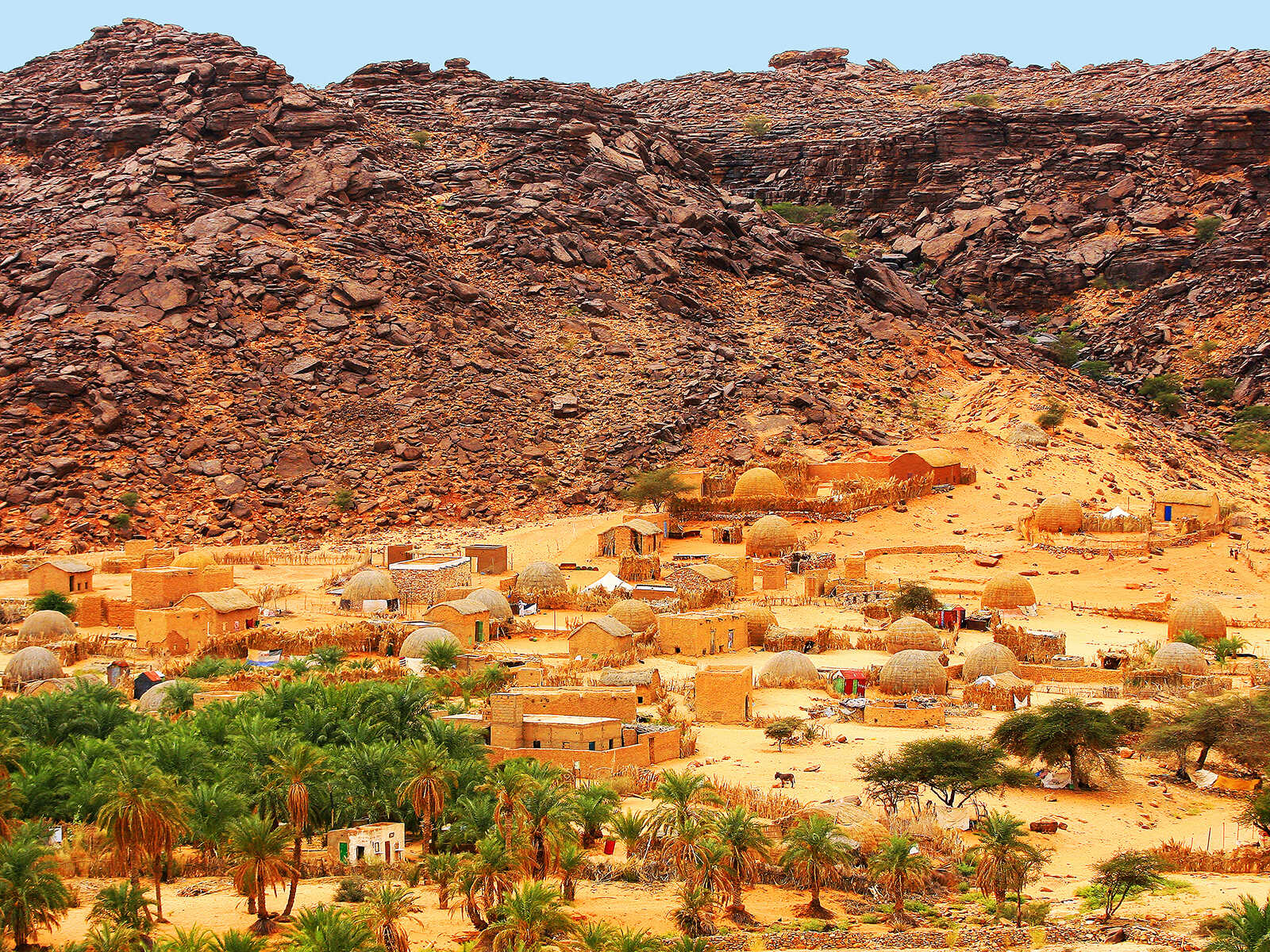
Camel Trekking in Mauritania: An Authentic Sahara Experience
Embark on an extraordinary journey into the heart of the Sahara Desert with a camel trek in Mauritania. This vast and untamed landscape offers an unparalleled opportunity to connect with nature, experience ancient nomadic traditions, and witness some of the most breathtaking desert vistas on Earth.
Why Choose Mauritania for Your Sahara Adventure?
While other North African countries offer desert experiences, Mauritania stands out for its raw authenticity and less-trodden paths. Here, you'll find a Sahara that feels truly wild and untouched, where the rhythms of nomadic life persist much as they have for centuries. It's a land of endless dunes, ancient oases, and a profound sense of solitude that captivates the soul.
Planning Your Mauritanian Camel Trek
A successful desert trek requires careful preparation. Here’s what you need to consider:
Best Time to Go
The cooler months, fromOctober to April, are ideal for camel trekking. Temperatures during these periods are more comfortable, making daytime travel enjoyable and nights pleasantly cool. Avoid the scorching summer months (May-September) when heat can be extreme.
Choosing a Reputable Tour Operator
Selecting the right local operator is paramount for safety, cultural immersion, and a smooth journey. Look for companies with:
- Strong safety records and experienced guides.
- Good relationships with local communities.
- Sustainable tourism practices.
- Clear communication regarding itineraries and what to expect.
Local guides possess invaluable knowledge of the desert, its routes, and its hidden oases, ensuring a truly authentic experience.
Visa and Entry
Most visitors will require a visa for Mauritania. It's advisable to check the latest requirements with your country's Mauritanian embassy or consulate well in advance of your trip. Entry procedures can vary, so ensure all documentation is in order.
Health and Safety in the Desert
The desert environment demands respect and preparation:
- Hydration:Carry ample water and drink frequently. Your tour operator will manage water supplies, but personal bottles are essential.
- Sun Protection:A wide-brimmed hat, sunglasses, and high-SPF sunscreen are crucial.
- First Aid:A basic personal first-aid kit with pain relievers, antiseptic wipes, blister treatment, and any personal medications is recommended.
- Vaccinations:Consult your doctor regarding recommended vaccinations for Mauritania.
What to Pack
Lightweight and versatile packing is key for a comfortable trek:
- Clothing:Loose-fitting, breathable clothing (cotton or linen) that covers arms and legs to protect from sun and sand. Layers are essential for temperature fluctuations between day and night. A warm jacket or fleece for evenings.
- Headwear:A wide-brimmed hat or a traditionalcheche(turban) for sun and sand protection.
- Footwear:Comfortable, broken-in walking shoes or sturdy sandals for walking, and lighter footwear for camp.
- Sleeping Bag:A lightweight sleeping bag is often required, even if blankets are provided.
- Essentials:Reusable water bottle, small daypack, headlamp or flashlight, power bank for electronics, personal toiletries, wet wipes, and any necessary medications.
"The desert reveals more than just landscapes; it reveals the depths of your own resilience and the quiet majesty of time."
The Trekking Experience: A Day in the Sahara
Life on a Mauritanian camel trek follows the ancient rhythms of the desert.
Meeting Your Ship of the Desert
Upon arrival at your starting point, you’ll be introduced to your camel, often referred to as the "ship of the desert." These gentle, enduring creatures are perfectly adapted to the Sahara, and you'll quickly form a bond with your travel companion. Your local guides, often from nomadic backgrounds, will share insights into their culture and the desert ecosystem.
Daily Routine and Desert Rhythms
Your day will typically begin with the serene beauty of a desert sunrise, followed by a simple breakfast and the packing up of camp. You’ll spend several hours traversing dunes, rocky plains, and ancient riverbeds, either riding your camel or walking alongside it. Midday often brings a stop for lunch and rest in the shade of an acacia tree or a rock formation. As evening approaches, camp is set up, a fire is lit, and you'll enjoy traditional meals and the unforgettable experience of stargazing under the vast, clear Sahara sky.
Food and Drink
Meals on a trek are typically simple but hearty, prepared by your guides. Expect staple foods like couscous, rice, vegetables, and sometimes meat, accompanied by delicious Moroccan mint tea. Water is paramount and will be managed carefully by your guides.
Cultural Immersion
Beyond the stunning scenery, camel trekking in Mauritania offers profound cultural immersion. You’ll learn about the traditions of the Mauritanian people, their hospitality, and their deep connection to the desert. Conversations with your guides, often around a flickering campfire, provide invaluable insights into their way of life.
Iconic Regions for Camel Trekking
Mauritania offers diverse desert landscapes for trekking, with some areas being particularly renowned:
- The Adrar Plateau:This magnificent region is a prime destination for trekkers, characterized by dramatic sandstone cliffs, ancient oases, and vast sand dunes. Within the Adrar, you can explore historic caravan cities like Chinguetti(a UNESCO World Heritage site known for its ancient mosque and libraries) and Ouadane. The stunning Terjit oasis, with its refreshing springs and palm groves, provides a welcome respite. Longer treks might even venture towards the enigmatic Richat Structure, also known as the "Eye of the Sahara."
- Tagant Region:South of Adrar, the Tagant offers a different flavor of desert landscape, with a mix of rocky terrain and smaller oases.
Challenges and Unforgettable Rewards
Camel trekking in Mauritania is not without its challenges. The desert environment can be physically demanding, facilities are basic, and you'll be far from modern comforts. However, the rewards far outweigh these difficulties:
- Unforgettable Landscapes:Witnessing the ever-changing beauty of the Sahara, from towering dunes to vast, flat plains.
- Profound Solitude:Experiencing a rare sense of peace and quiet, far from the hustle and bustle of modern life.
- Cultural Insight:Gaining a deep understanding of nomadic traditions and Mauritanian hospitality.
- Personal Growth:A journey that tests resilience and offers a unique perspective on life.
- Stargazing:Nights in the Sahara offer unparalleled views of the Milky Way, free from light pollution.
Responsible Tourism Practices
To ensure these unique experiences remain for future generations, practice responsible tourism:
- Respect Local Culture:Dress modestly, ask permission before taking photos of people, and engage respectfully with communities.
- Support Local:Choose local operators and guides, and purchase goods from local artisans.
- Leave No Trace:Carry out all your rubbish, minimize water usage, and leave the desert as pristine as you found it.
Embrace the Sahara's Call
A camel trek in Mauritania is more than just a trip; it's an expedition into the soul of the Sahara, offering an authentic and transformative travel experience. It's an invitation to disconnect from the ordinary and reconnect with something ancient, vast, and profoundly beautiful. Prepare to be captivated by the silent majesty of the desert and the enduring spirit of its people.