
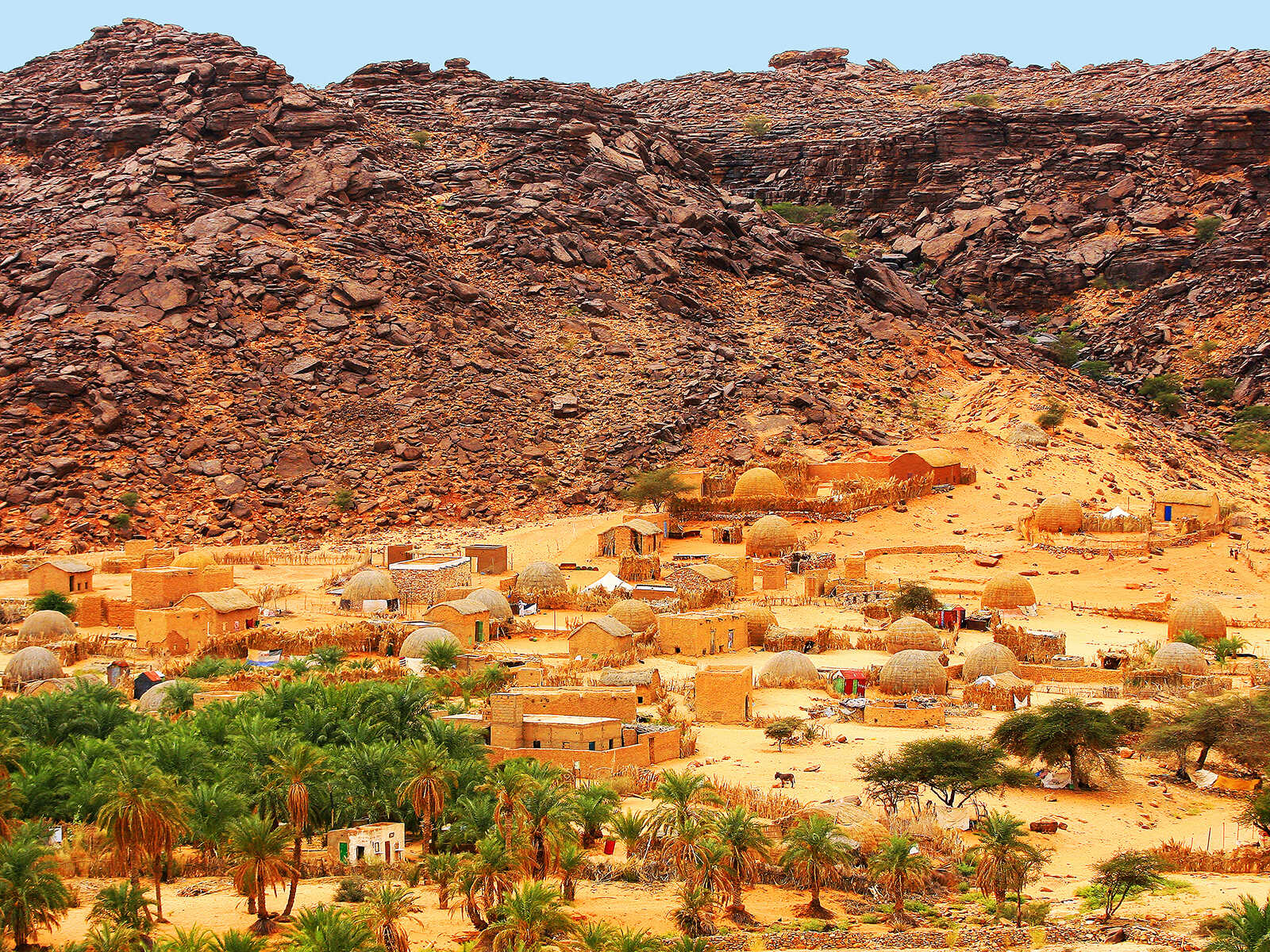
Banc d'Arguin National Park: A Birdwatcher's Paradise in Mauritania
Nestled where the vast Sahara Desert meets the Atlantic Ocean,Banc d'Arguin National Park is a breathtaking testament to nature's resilience and diversity. This UNESCO World Heritage site in Mauritania is a critical haven for millions of migratory birds, making it an unparalleled destination for birdwatchers and nature enthusiasts alike.
Discovering Banc d'Arguin's Unique Ecosystem
The park encompasses a stunning landscape of intertidal flats, sand dunes, small islands, and shallow coastal waters. This unique blend creates a highly productive marine and coastal ecosystem that supports an extraordinary array of life. It serves as a vital wintering and breeding ground for an immense population of birds from Europe and Asia, alongside a variety of resident species.
Designated a national park in 1976 and a UNESCO World Heritage site in 1989, Banc d'Arguin's ecological importance is recognized globally. Its protected status helps safeguard not only the avian populations but also the marine life, including various fish species, dolphins, and turtles, which thrive in its nutrient-rich waters.
A Symphony of Feathers: The Avian Spectacle
For birdwatchers, Banc d'Arguin is nothing short of a dream. During peak migration seasons, the park hosts over two million migratory birds, transforming its shores into a vibrant, cacophonous spectacle. Species from the entire Palaearctic region converge here, finding refuge and abundant food resources.
Key Bird Species to Spot:
- Greater Flamingos:Large flocks paint the horizon pink, wading elegantly in the shallow waters.
- Pelicans:Both White and Pink-backed Pelicans are common, often seen fishing in coordinated groups.
- Waders:A vast array of sandpipers, plovers, godwits, and curlews forage along the intertidal zone.
- Terns:Including Royal, Caspian, and Sandwich Terns, often found nesting on the islands.
- Spoonbills:Eurasian Spoonbills are frequent visitors, sweeping their distinctive bills through the water.
- Ospreys:These majestic raptors are often seen hunting over the rich fishing grounds.
- Gulls:Various species, including Slender-billed and Audouin's Gulls, add to the diversity.
The sheer density and variety of birds here offer unparalleled photographic opportunities and truly immersive birdwatching experiences. It's not uncommon to witness vast aerial displays or witness thousands of birds taking flight simultaneously.
“Banc d'Arguin National Park is more than just a sanctuary; it's a critical crossroads for global bird migration, a place where continents connect through the wings of millions.”
The Imraguen People: Guardians of the Coast
Adding another layer of intrigue to Banc d'Arguin is the presence of the Imraguen people, a small indigenous community who have traditionally coexisted with this delicate ecosystem for centuries. Their unique way of life is deeply intertwined with the park's marine resources, using traditional fishing methods that have minimal impact on the environment.
The Imraguen are renowned for their symbiotic relationship with dolphins, which they are said to 'call' to help drive schools of mullet towards their nets. This ancient practice is a remarkable example of sustainable resource management and cultural heritage.
Planning Your Expedition to Banc d'Arguin
Visiting Banc d'Arguin requires careful planning, as it's a remote and protected area. The journey itself is part of the adventure, offering glimpses into Mauritania's vast and captivating landscapes.
Best Time to Visit:
The peak birdwatching season aligns with the European winter, fromOctober to April, when migratory birds are present in the largest numbers. The Mauritanian climate during these months is also more temperate and pleasant for travel.
Getting There:
Access to the park is typically from Nouakchott, Mauritania's capital. The journey involves a long drive by 4x4 vehicle, often across challenging terrain, followed by boat transfers to reach the islands and key birding areas within the park. Due to the sensitive nature of the park, independent travel is highly discouraged. You will need to arrange your visit through a reputable tour operator that works with local guides and has the necessary permits.
Accommodation and Facilities:
Accommodation within the park is minimal and often consists of basic eco-lodges or designated camping areas, prioritizing a low environmental footprint. These facilities offer a chance to truly disconnect and immerse yourself in nature. Visitors should be prepared for rustic conditions and limited amenities.
What to Bring:
- Optics:High-quality binoculars and a spotting scope are essential for bird identification.
- Camera Gear:Telephoto lenses for capturing distant wildlife.
- Sun Protection:Hat, sunglasses, and high-SPF sunscreen are crucial in the desert sun.
- Layered Clothing:Temperatures can vary between day and night.
- Water & Snacks:Ensure you have an ample supply.
- Respectful Attitude:Towards the environment and the local Imraguen community.
Beyond the Birds: A Glimpse of Mauritania
While Banc d'Arguin is undeniably a highlight, Mauritania offers other incredible experiences for those willing to explore. If your journey takes you further into the country, consider visiting Diawling National Park, another important birding site in the south, or venturing inland to the ancient caravan cities of Chinguetti and Ouadane, both UNESCO World Heritage sites nestled in the Adrar Plateau. The mystical Richat Structure, often called the "Eye of the Sahara," also awaits the adventurous traveler.
Conservation and Responsible Tourism
The continued preservation of Banc d'Arguin relies heavily on responsible tourism. Visitors are urged to adhere to park regulations, follow guide instructions, and minimize their environmental impact. Supporting local guides and communities helps ensure that this incredible natural wonder remains protected for future generations of birds and birdwatchers.
Banc d'Arguin National Park is more than just a destination; it's an experience that connects you with the raw beauty of nature and the profound miracle of migration. It's a place where the desert meets the sea, and millions of wings tell stories of epic journeys.