
Adrar Plateau Adventures: Hiking, Rock Art & Scenic Drives
Embark on an unforgettable journey into Mauritania's Adrar Plateau, a land where ancient history meets breathtaking desert landscapes. This rugged region offers a unique blend of challenging hikes, fascinating prehistoric rock art, and exhilarating scenic drives through a timeless wilderness. Prepare to discover a corner of the Sahara unlike any other.
Exploring the Adrar Plateau: A Land of Contrasts
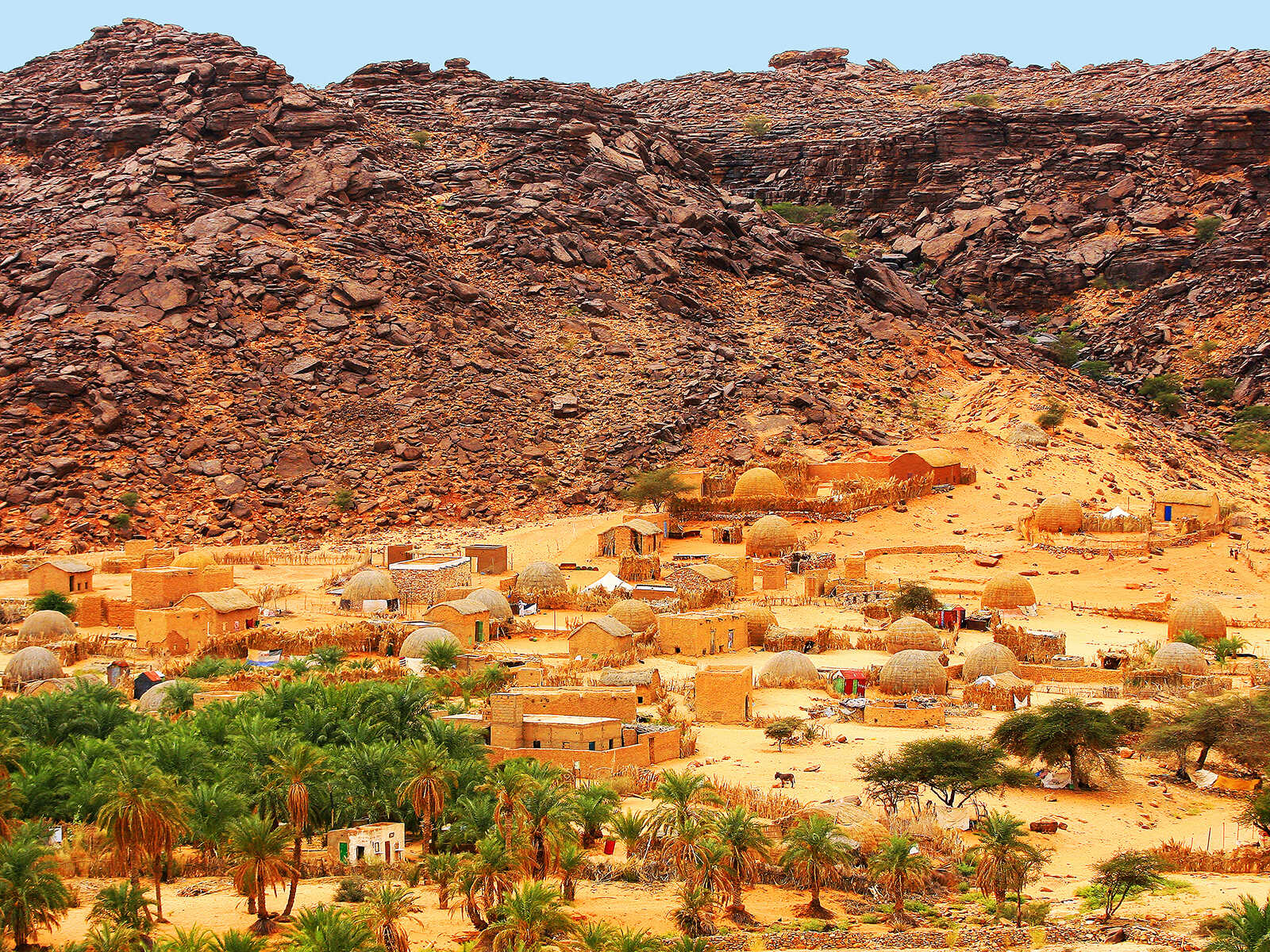
The Adrar Plateau, an expansive region in central Mauritania, is characterized by its dramatic sandstone cliffs, deep wadis (riverbeds), and vast stretches of golden dunes. Far from being a barren wasteland, it's an ecosystem sculpted by millennia of wind and water, home to resilient flora and fauna, and an enduring testament to human ingenuity. It serves as a gateway to some of Mauritania's most iconic destinations, including the ancient Ksour towns and hidden oases.
Hiking the Adrar's Ancient Trails
For adventurers seeking to connect with the raw beauty of the Sahara, the Adrar Plateau offers an array of hiking opportunities. From short, accessible walks to multi-day treks, the region's diverse terrain promises an immersive experience.
- Wadi Exploration:Follow dry riverbeds that carve through sandstone, revealing hidden palm groves and occasional pools of water, especially after rare rains. These routes often lead to secluded spots and offer natural shelter from the sun.
- Cliffside Treks:Ascend ancient pathways etched into the plateau's escarpments, offering panoramic views of the vast desert below. These trails can be challenging but reward hikers with unparalleled vistas.
- Oasis Hikes:Destinations like Terjit Oasis provide refreshing hiking experiences, combining lush palm groves with nearby rocky terrain. The contrast of green against the desert hues is particularly striking.
Hiking in the Adrar requires preparation. Sturdy footwear, ample water, and protection from the sun are essential. Given the vastness and often unmarked trails, hiring a local guide is highly recommended for safety and to uncover the region's hidden gems.
Unveiling Prehistoric Rock Art
The Adrar Plateau is a veritable open-air museum, preserving thousands of years of human history through its impressive collection of rock art. Etched and painted onto sandstone surfaces, these ancient artworks provide a unique window into the lives of the people who once thrived in a much greener Sahara.
The art depicts a wide range of subjects:
- Fauna:Images of elephants, giraffes, rhinos, and antelopes suggest a wetter climate in the distant past, highlighting the dramatic environmental changes the region has undergone.
- Human Figures:Hunters, herders, and dancers are often depicted, offering insights into daily life, rituals, and social structures.
- Domesticated Animals:Representations of cattle, sheep, and goats signify the advent of pastoralism and early agricultural practices in the region.
Dating back as far as 8,000 BCE, with later additions from Roman and Islamic periods, these sites are often found in sheltered rock overhangs or caves. Many are remarkably well-preserved, their vibrant ochre and white pigments still visible. Visiting these sites is a humbling experience, connecting you directly with the ancient inhabitants of this remarkable land.
Tip:When visiting rock art sites, always observe from a respectful distance and avoid touching the ancient artwork. The oils from human skin can accelerate their degradation.
Scenic Drives Through Desert Vistas
Traversing the Adrar Plateau by 4x4 is an adventure in itself. The region's network of tracks and sandy trails offers some of the most spectacular desert drives on the continent. The landscapes shift dramatically, from vast, flat hammadas (stony plains) to towering erg (sand dune) formations, and deep canyons.
Key routes and experiences include:
- Driving to Ancient Cities:The journey to the historic Ksour towns of Chinguetti and Ouadane(both UNESCO World Heritage sites) offers incredible desert scenery. These drives take you through varying terrain, often punctuated by isolated wells and nomadic encampments.
- Wadi Exploration by Vehicle:Many wadis are accessible by 4x4, allowing you to cover more ground and reach remote rock art sites or hidden oases not easily reachable on foot.
- Dune Crossings:For experienced drivers or those with a skilled local guide, navigating the rolling dunes provides an exhilarating challenge and offers stunning photographic opportunities, particularly at sunrise or sunset.
A well-maintained 4x4 vehicle is essential, along with navigation equipment, sufficient fuel, water, and emergency supplies. Traveling with an experienced local driver or guide is highly recommended due to the challenging terrain and lack of clear signage.
Essential Tips for Your Adrar Adventure
Best Time to Visit
The cooler months, typically fromOctober to April, are ideal for exploring the Adrar Plateau. Temperatures are more moderate, making hiking and outdoor activities much more enjoyable. Summers can be extremely hot and challenging.
Getting There and Around
Access to the Adrar Plateau typically involves flying into Atar, the regional capital. From Atar, 4x4 vehicles are the primary mode of transport for exploring the plateau. Arranging transport and guides through reputable local tour operators is advisable.
What to Pack
- Lightweight, breathable clothing (long sleeves and trousers for sun protection and cultural modesty)
- Sturdy hiking boots or shoes
- Wide-brimmed hat, sunglasses, and high-SPF sunscreen
- Plenty of water and a water purification system or tablets
- Basic first-aid kit
- Headlamp or flashlight
- Power bank for electronics
- Camera with spare batteries
- Modest swimwear if planning to visit oases like Terjit
Respecting the Environment and Culture
The Adrar is a pristine environment and home to nomadic communities. Please adhere to "leave no trace" principles by carrying out all your waste. Be respectful when encountering local communities, asking permission before taking photographs, and dressing modestly.
Beyond the Trails: Adrar's Cultural Gems
While the landscapes are the main draw, the Adrar Plateau is also the cultural heartland of Mauritania. The ancient cities of Chinguetti and Ouadane, once vital stops on trans-Saharan trade routes, stand as living museums. Explore their ancient libraries, admire their unique desert architecture, and witness a way of life that has changed little over centuries. These towns offer a profound glimpse into Mauritania's rich history and Islamic scholarship.
An Unforgettable Mauritanian Journey
The Adrar Plateau offers an unparalleled adventure for those seeking to explore beyond the beaten path. Whether you're drawn to the challenge of its hiking trails, the mystery of its ancient rock art, or the thrill of its scenic desert drives, this captivating region promises a profound connection with nature, history, and culture. Prepare for an experience that will redefine your understanding of the Sahara.