
Maltese Culture and Traditions: What Travelers Need to Know
Steeped in thousands of years of history, Maltese culture is a vibrant mosaic of influences from across the Mediterranean and beyond. For travelers, understanding these unique traditions and social customs enriches the experience, transforming a simple visit into an immersive journey. Prepare to delve into the heart of Malta, where ancient heritage meets contemporary life.
A Tapestry of Influences: Malta's Unique Heritage
Malta's strategic position in the heart of the Mediterranean has made it a coveted prize throughout history, leading to a fascinating blend of cultures. From the ancient Phoenicians and Romans to the Arabs, Normans, Spanish, Knights of St. John, and the British, each successive power left an indelible mark. This rich legacy is evident in everything from the architecture and language to the cuisine and customs, creating a distinctly Maltese identity that is both European and subtly Middle Eastern.
Did you know?Malta's prehistoric temples, like the Hagar Qim Temples, are among the oldest free-standing structures in the world, predating even Stonehenge and the Egyptian pyramids, offering a glimpse into the island's earliest cultures.
Language: A Linguistic Mosaic
Malta boasts two official languages: Maltese and English. Maltese is a unique Semitic language, distantly related to Arabic, but heavily influenced by Sicilian, Italian, French, and English. Most Maltese people are bilingual, making communication for English-speaking travelers exceptionally easy. Learning a few basic Maltese phrases, however, such as"Bongu"(Good morning) or"Grazzi"(Thank you), will always be appreciated and can open doors to warmer interactions with locals.
Religion and Festivities: The Heartbeat of Malta
Catholicism plays a central role in Maltese life, deeply ingrained in the nation's identity and traditions. The islands are dotted with magnificent churches, often serving as the focal point of every town and village.
Catholicism's Stronghold
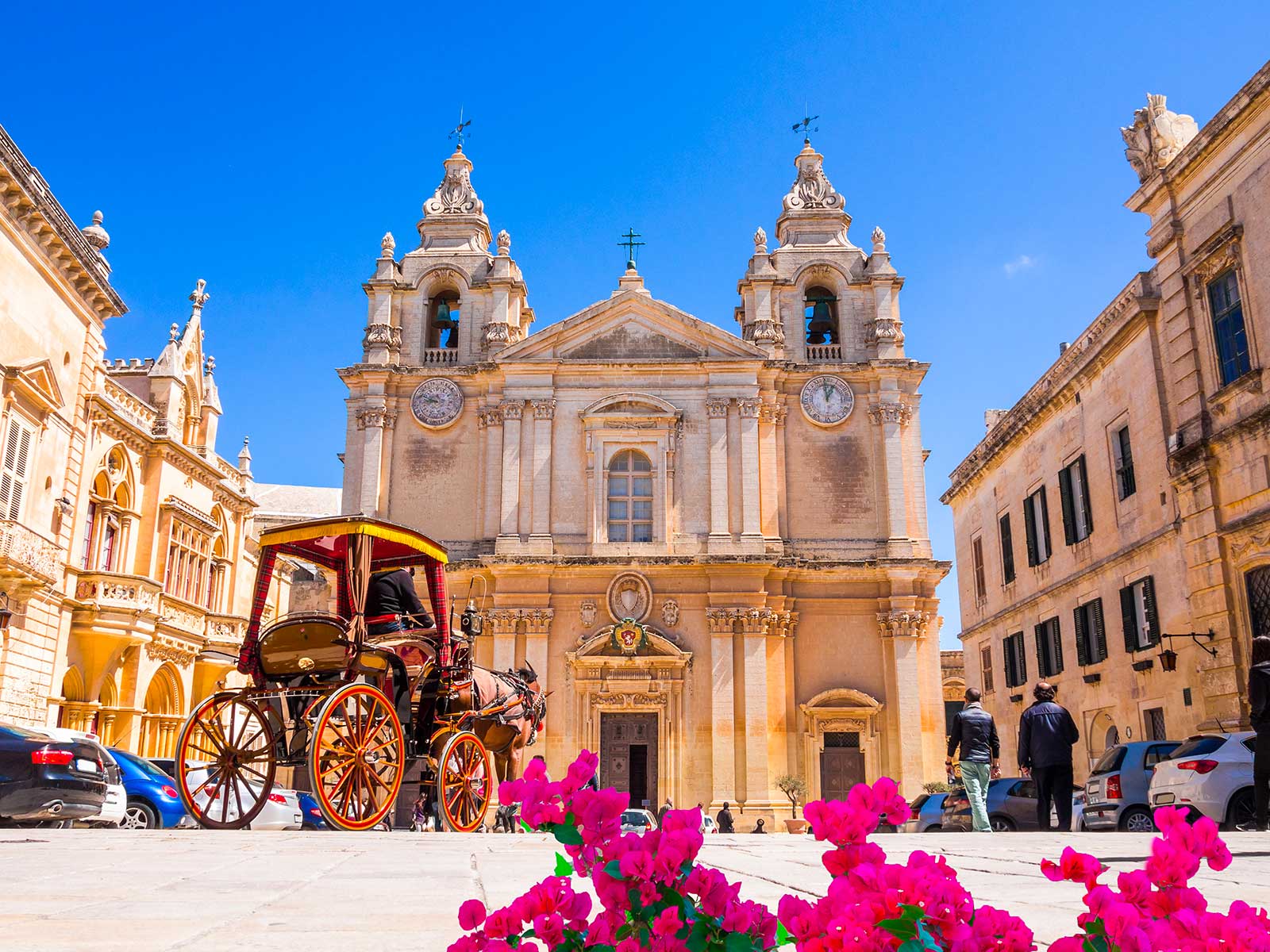
Mass is widely attended, and religious holidays are significant events. Visitors are welcome to enter churches, but respectful attire (shoulders and knees covered) is expected, especially during services. The intricate Baroque architecture and rich interiors of these sacred spaces, such as those found near Castille Place in Valletta, are testaments to centuries of devotion.
Village Festas (Feasts)
Perhaps the most vibrant expression of Maltese culture is the village festa. Throughout the summer months, each town and village celebrates its patron saint with unparalleled enthusiasm. These week-long celebrations involve:
- Elaborate street decorations and illuminations.
- Brass band marches through the streets.
- Processions carrying statues of the patron saint.
- Spectacular fireworks displays, often choreographed to music.
- Street food stalls offering local delicacies.
Attending a festa, whether in a larger town or a smaller community like Zebbug, is an unforgettable experience, offering a true taste of Maltese community spirit and joy.
Holy Week and Easter
The period leading up to Easter, particularly Holy Week, is observed with solemn reverence. Good Friday processions, featuring large statues and participants dressed in biblical costumes, are particularly moving and a profound cultural experience.
Family and Community: Pillars of Society
Family is paramount in Maltese culture. Multi-generational households are common, and strong bonds extend to wider family networks. Respect for elders is deeply ingrained, and children are cherished. This strong family unit fosters a sense of community, where neighbors often know and support each other. Hospitality is a hallmark of the Maltese people; don't be surprised if you're invited for a coffee or a meal, especially in smaller, more traditional settings.
Cuisine: A Mediterranean Feast
Maltese cuisine is a delightful reflection of the island's history, blending Mediterranean flavors with influences from Sicily, North Africa, and Britain. It's hearty, flavorsome, and designed to be shared.
Traditional Dishes to Savor
- Pastizzi:Flaky pastry parcels typically filled with ricotta cheese or mushy peas – a quintessential Maltese snack.
- Ftira:A traditional Maltese flatbread, often served as a sandwich with tuna, tomatoes, olives, capers, and onions.
- Lampuki Pie:A seasonal fish pie, popular when lampuki (dorado) are caught in autumn.
- Fenkata:Rabbit stew, often considered the national dish, slow-cooked to perfection. Many restaurants specialize in this.
- Aljotta:A fragrant fish soup.
Local Ingredients and Drinks
Fresh, seasonal ingredients are key. Look for local honey, olives, sun-dried tomatoes, and Gozitan cheeselets (ġbejniet). To drink, try local wines from Maltese vineyards or Kinnie, a bittersweet, fizzy orange drink unique to Malta.
Arts and Crafts: Preserving Heritage
Maltese artisans continue to practice traditional crafts, keeping ancient skills alive. Look out for:
- Lace-making:Intricate Maltese lace, particularly from Gozo, is a beautiful souvenir.
- Filigree:Delicate silver and gold jewelry crafted using fine threads of metal.
- Glass Blowing:Watch artisans create stunning glass art, often incorporating vibrant colors inspired by the Mediterranean.
Music also holds a special place, withGħana(folk singing) being a traditional form of improvised poetic song, often performed in a competitive, good-natured style.
Etiquette and Social Customs: Navigating Maltese Life
While generally relaxed, understanding a few local customs can enhance your interactions:
- Greetings:A simple "Hello" or "Bongu" (good morning) and "Aw" (informal "hi") are common. A handshake is standard.
- Dress Code:Smart casual is generally acceptable. When visiting churches or religious sites, ensure shoulders and knees are covered.
- Punctuality:While meetings may start on time, social gatherings can be more flexible. "Malta time" is a gentle acknowledgement of a slightly more relaxed approach to schedules.
- Driving:Malta drives on the left. Roads can be narrow and winding, and local driving habits can be assertive. Exercise caution.
- Respect for Elders:Always show respect to older generations.
Historical Sites and Cultural Landmarks
Malta's cultural narrative is etched into its landscape, with countless sites beckoning exploration. Beyond the ancient temples, delve into fascinating underground burial chambers like the Hypogeum or the extensive St. Paul's Catacombs. Wander through the silent city of Mdina Gate, a medieval walled city frozen in time, or explore the impressive fortifications of Valletta.
For a unique cultural experience that combines history with quirky charm, consider a visit to Popeye Village, the original film set for the 1980 musical production. Nature also plays a role in local culture; the stunning coastal views around the Blue Grotto inspire folklore, and a trip to Comino Island reveals a simpler, more rugged way of life. Even the ancient Bronze Age Grain Silos offer a glimpse into the practicalities of past civilizations, while the historic grounds of Chateau Buskett provide a tranquil escape and a connection to Malta's noble past.
Maltese culture is a captivating blend of deep-rooted traditions and a welcoming, modern outlook. By embracing its unique customs, savoring its distinct cuisine, and exploring its historic treasures, travelers can truly connect with the soul of this remarkable archipelago. Your journey through Malta will be more than just a vacation; it will be an immersion into a living, breathing history.