
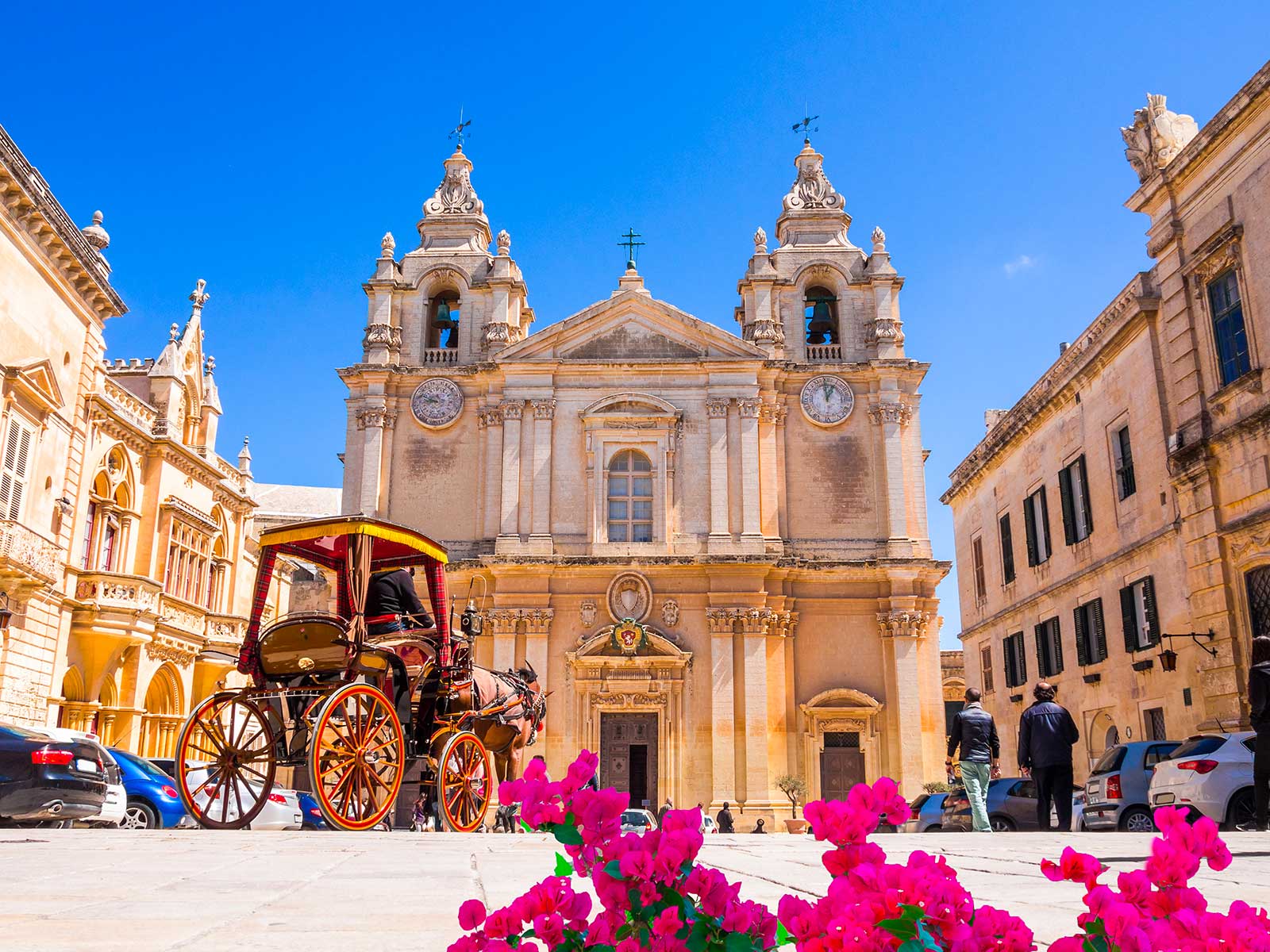
Getting Around Malta: Public Transport & Car Rental Guide
Navigating the beautiful Maltese islands is an essential part of any unforgettable trip. Whether you prefer the freedom of a rental car or the convenience and charm of local public transport, Malta offers a variety of options to suit every traveler. This guide will help you understand the best ways to explore the archipelago, from its bustling cities to its secluded coves.
Exploring Malta: An Overview of Transport Options
Malta, though small, packs a punch with its rich history, stunning coastlines, and vibrant culture. Getting around is relatively straightforward, but understanding the nuances of each transport method can significantly enhance your experience. From efficient bus networks to scenic ferry rides and the flexibility of a private vehicle, you have plenty of choices to discover every corner of the islands.
Public Transport: The Malta Public Transport Bus Network
Malta's primary public transport system is its extensive bus network, operated by Malta Public Transport. This is often the most cost-effective and environmentally friendly way to get around, connecting virtually all towns, villages, and major attractions across Malta and Gozo.
The Bus System: Your Key to Connectivity
- Extensive Routes:Buses cover almost the entire island, with frequent services linking major hubs like Valletta, Sliema, St. Julian's, and the airport to popular tourist sites. You can reach historical sites like the Hypogeum or the charming ancient city of Mdina Gate area with ease.
- Tallinja Card:For visitors staying longer than a few days, purchasing a Tallinja Card is highly recommended.
- Explore Card:Offers unlimited travel for a set number of days, ideal for intensive sightseeing.
- Go Card:A pay-as-you-go option where you top up credit, providing cheaper fares per journey than cash tickets.
- Cash Tickets:Available directly from the bus driver, but are slightly more expensive per ride.
- Night Services:Special night routes (indicated by 'N' before the route number) operate on weekends and public holidays, connecting entertainment hubs to residential areas.
- Express Routes:'X' routes provide faster connections, often between the airport and major towns, or linking key tourist areas with fewer stops.
- Accessibility:Modern buses are generally wheelchair accessible and equipped with air conditioning, making journeys comfortable year-round.
Pros of Public Transport:
- Cost-Effective:Especially with a Tallinja Card, bus travel is very economical.
- Extensive Coverage:Reaches most tourist attractions and local areas.
- Environmental Friendly:Reduces your carbon footprint.
- Relaxing:No need to worry about driving or parking.
Cons of Public Transport:
- Can Be Slow:Routes can be indirect, and traffic congestion, especially in urban areas, can cause delays.
- Crowded:Buses, particularly during peak season or popular routes, can get very full.
- Limited Schedules:While frequent during the day, services might be less regular in evenings or on Sundays in some areas.
Tip:Download the official Malta Public Transport app. It offers real-time bus tracking, route planning, and schedule information, making your bus journeys much smoother.
Ferries & Water Taxis: Scenic Sea Journeys
Given Malta is an archipelago, utilizing its sea routes is not just practical but also incredibly scenic. Ferries and water taxis offer fantastic alternatives, especially for short inter-harbor trips or reaching the sister islands.
Inter-Harbor Ferries:
- Valletta-Sliema Ferry:A popular and quick way to cross Marsamxett Harbour, avoiding city traffic.
- Valletta-Three Cities Ferry:Connects Valletta to the historic 'Three Cities' (Vittoriosa, Senglea, Cospicua) across Grand Harbour, offering stunning views.
Gozo Channel Ferry:
This large car and passenger ferry is the main link between Ċirkewwa (Malta) and Mġarr (Gozo). It's essential for anyone planning a day trip or longer stay on Gozo. The journey is approximately 25 minutes.
Comino Ferries & Boat Trips:
Smaller ferries and boat trips frequently depart from Malta (e.g., from Marfa or Ċirkewwa) and Gozo (Mġarr) to the idyllic Comino Island, famous for its Blue Lagoon. These are crucial for experiencing the island's pristine waters.
Water Taxis:
Found in various harbors, these smaller boats offer quicker, direct, and often private transfers across short distances, perfect for a unique harbor experience.
Pros of Ferries & Water Taxis:
- Scenic:Offer beautiful views of the coastline and historic cities from the sea.
- Faster:Often quicker than land transport for specific routes, bypassing traffic.
- Unique Experience:A charming way to travel.
Cons of Ferries & Water Taxis:
- Weather Dependent:Services can be affected by strong winds or rough seas.
- Limited Routes:Only connect specific points.
Car Rental: Freedom and Flexibility
Renting a car in Malta offers unparalleled freedom, allowing you to explore at your own pace and reach more remote attractions that might be less accessible by public transport.
Why Rent a Car?
- Ultimate Flexibility:Create your own itinerary, stop whenever you like, and discover hidden gems.
- Access to Remote Sites:Essential for reaching places like the Hagar Qim Temples, the Blue Grotto, or the serene Buskett Gardens, which may have less frequent bus services. It's also great for places like Popeye Village which is easier with a car.
- Convenience with Luggage:Ideal for families or those carrying more gear.
Driving in Malta: What to Expect
- Left-Hand Drive:Malta drives on the left, similar to the UK.
- Road Conditions:Roads vary from well-maintained to narrow, winding, and sometimes bumpy country lanes. Be prepared for some challenging stretches.
- Traffic:Urban areas, particularly around Valletta, Sliema, and St. Julian's, can experience significant traffic congestion, especially during peak hours.
- Parking:Can be a major challenge in popular areas. Look for designated car parks (often paid) or be prepared for a hunt for street parking. Some towns have resident-only parking zones.
- Navigation:GPS is highly recommended. Google Maps works well.
Tips for Car Rental:
- Book in Advance:Especially during peak season, ensure availability and better rates.
- Choose a Smaller Car:Narrow streets and tight parking spots make a compact car much easier to manage.
- Check Insurance:Understand what your rental agreement covers.
- Fuel Stations:Widely available, but plan ahead if exploring very remote areas.
Pros of Car Rental:
- Maximum Freedom:Explore off-the-beaten-path locations.
- Time Saving:Can be faster for direct routes, especially when avoiding multiple bus changes.
- Comfort:Your own space, air conditioning, and music.
Cons of Car Rental:
- Traffic & Parking:Can be stressful and time-consuming.
- Cost:Rental fees, fuel, and potential parking charges add up.
- Navigation:Some roads can be confusing or poorly signposted.
Ride-Sharing & Taxis: Door-to-Door Convenience
For quick, door-to-door convenience, especially after dark or when carrying luggage, ride-sharing apps and traditional taxis are excellent options.
Ride-Sharing Apps:
Services like Bolt and eCabs are very popular in Malta. They operate similarly to Uber, allowing you to book and pay for rides directly through an app, often offering competitive rates and clear pricing upfront.
Traditional Taxis:
- White Taxis:These are regulated and can be found at taxi stands (e.g., at the airport, Valletta's Castille Place, major hotels) or booked by phone. Always confirm the fare before starting your journey, or ensure the meter is used.
- Black/Silver Taxis:These are often private hire cars or minivans, typically booked in advance through hotels or local companies.
Pros of Ride-Sharing & Taxis:
- Convenience:Door-to-door service, ideal for specific destinations or late-night travel.
- Speed:Generally the fastest way to get from A to B.
- Comfort:Private and comfortable.
Cons of Ride-Sharing & Taxis:
- Cost:Significantly more expensive than public transport.
- Traffic:Still subject to road congestion.
Cycling & Walking: Immersive Exploration
For shorter distances or specific areas, exploring on foot or by bicycle can be a wonderfully immersive experience.
Walking:
Valletta, Mdina, and the Three Cities are best explored on foot, allowing you to truly soak in the history and architecture. Many coastal paths and village promenades are also pleasant for a stroll.
Cycling:
While Malta's hilly terrain and sometimes busy roads can be challenging, cycling is an option for enthusiasts. Gozo, with its quieter roads, is generally more cycle-friendly. Some rural areas offer scenic routes, but always prioritize safety due to traffic.
Pros of Cycling & Walking:
- Immersive:Allows for detailed exploration and discovering hidden corners.
- Healthy & Eco-Friendly:Great for physical well-being and the environment.
- Free:No transport costs involved.
Cons of Cycling & Walking:
- Limited Range:Only practical for short distances or specific areas.
- Terrain:Malta's hills can be demanding for walkers and cyclists.
- Safety:Cycling on main roads can be risky due to traffic.
Choosing Your Mode of Transport
The best way to get around Malta often involves a combination of these options. Consider your itinerary, budget, comfort level, and the time of year:
- For city exploration and budget travel, rely on thebus networkand your own two feet.
- For inter-island travel or scenic harbor crossings, take advantage of theferries.
- If you want to reach remote beaches, ancient temples, or simply enjoy maximum freedom, arental caris invaluable.
- For quick, hassle-free transfers, especially to and from the airport or late at night,ride-sharing apps or taxisare your best bet.
Malta's compact size makes it relatively easy to navigate, no matter your chosen method. Embrace the journey, and you'll uncover the true magic of these Mediterranean islands.