
Discovering Valletta: Essential Sights and Experiences
Valletta, Malta's magnificent capital, stands as a UNESCO World Heritage site, a masterpiece of Baroque architecture and a living testament to centuries of rich history. Perched on a peninsula, this fortified city offers a captivating blend of ancient charm and vibrant modern life, inviting visitors to explore its storied streets and breathtaking views.Built by the Knights of St. John in the 16th century, Valletta was designed as a "city built by gentlemen for gentlemen." Its grid-like street plan, imposing fortifications, and grand buildings speak volumes of its strategic importance and architectural ambition. Today, Valletta is not just a historical relic but a bustling hub, brimming with museums, cafes, shops, and an undeniable Mediterranean allure.
Exploring Valletta's Iconic Landmarks
From opulent cathedrals to serene gardens, Valletta offers a treasure trove of sights. Here’s a guide to the must-see attractions that define this remarkable city.
St. John's Co-Cathedral
Often considered the pinnacle of Baroque art and architecture in Malta, St. John's Co-Cathedral is an absolute must-visit. Its austere exterior belies an interior of astonishing opulence, adorned with intricate carvings, gilded walls, and a stunning painted vaulted ceiling. The highlight for many is the Oratory, home to two masterpieces by Caravaggio, includingThe Beheading of Saint John the Baptist, a work of profound emotional intensity. The marble tomb slabs on the floor commemorate the Knights of St. John, each a unique work of art.
Did you know?While many cathedrals feature frescoes, St. John's Co-Cathedral boasts a vaulted ceiling entirely painted by Mattia Preti, creating a breathtaking visual narrative.
Upper Barrakka Gardens and the Saluting Battery
Perched high on the city's bastions, the Upper Barrakka Gardens offer arguably the most spectacular panoramic views of the Grand Harbour, the Three Cities (Vittoriosa, Senglea, and Cospicua), and the open sea. These beautifully maintained gardens provide a tranquil escape with their elegant arches and shady spots.
Below the gardens lies the Saluting Battery, where cannons have fired daily salutes for centuries. Witnessing the ceremonial firing of the cannons at noon and 4 PM is a memorable experience, complete with historical commentary.
Grand Master's Palace
Once the residence of the Grand Masters of the Order of St. John and later the seat of the Maltese Parliament, the Grand Master's Palace is a significant historical landmark. Visitors can explore the magnificent State Rooms, adorned with priceless tapestries and frescoes, and the Armoury, housing an impressive collection of weapons and suits of armour dating back to the time of the Knights. The palace stands proudly on St. George's Square, a bustling hub often hosting events and outdoor cafes.
National Museum of Archaeology
Housed in the Auberge de Provence, one of the earliest Auberges built in Valletta, the National Museum of Archaeology showcases Malta's rich prehistoric past. The museum features an outstanding collection of artifacts from the Neolithic to the Phoenician periods. Key exhibits include the "Sleeping Lady" from the Hypogeum and elaborate carvings from the Hagar Qim Temples, offering a fascinating glimpse into ancient Maltese civilization.
Casa Rocca Piccola
For a unique insight into Maltese aristocratic life, visit Casa Rocca Piccola, a privately owned 16th-century palace still inhabited by the de Piro family. Guided tours offer a charming journey through opulent rooms, private chapels, and underground bomb shelters, providing a personal perspective on Valletta's social history.
The Auberges: A Legacy of the Knights
Valletta is home to several Auberges, magnificent palaces built by the various Langues (nationalities) of the Knights of St. John. While many are now government offices, their imposing facades are a testament to the Knights' power. The most prominent is the Auberge de Castille, now the Office of the Prime Minister, a grand Baroque building that dominates Castille Place and is considered one of Valletta's most impressive architectural marvels.
Valletta Waterfront (Pinto Wharf)
The Valletta Waterfront, a beautifully restored promenade of 18th-century warehouses, now buzzes with restaurants, cafes, and shops. It's a popular spot for cruise ship passengers and locals alike, offering a pleasant stroll along the harbour with views of the bustling port activities.
Manoel Theatre
One of the oldest working theatres in Europe, the Manoel Theatre, built in 1731, is a jewel of Baroque architecture. Its intimate, gilded interior offers a chance to step back in time. Catching a performance here, from opera to drama, is a truly special Valletta experience. Even without a show, guided tours are available.
Wandering the Streets and Squares
Beyond its major landmarks, Valletta's true charm often lies in its labyrinthine streets. Republic Street and Merchant Street are the main arteries, bustling with shops, cafes, and historical buildings. But venture into the quieter side streets, and you'll discover charming staircases, colourful balconies, and hidden piazzas. Don't be afraid to get a little lost; every corner reveals a new architectural detail or a picturesque view.
Practical Tips for Visiting Valletta
Getting Around
- On Foot:Valletta is best explored on foot. Its compact size makes it highly walkable, though be prepared for some steep hills and steps.
- Barrakka Lift:Connecting the Valletta Waterfront to the Upper Barrakka Gardens, this lift provides a convenient shortcut and saves a steep climb.
- Public Transport:Malta's extensive bus network makes it easy to reach Valletta from anywhere on the island. The main bus terminal is just outside the city gates.
- Ferry:Regular ferry services connect Valletta to Sliema and the Three Cities, offering scenic views of the harbour.
Best Time to Visit
Spring (April-May) and autumn (September-October) offer pleasant temperatures, ideal for walking and sightseeing, avoiding the peak heat of summer and the cooler, wetter winter months. However, Valletta's mild climate makes it an attractive destination year-round.
Embrace the Evening
Valletta truly comes alive in the evening. As the day-trippers depart, the city takes on a more relaxed and romantic atmosphere. Enjoy an al-fresco dinner in a charming piazza, sip a local wine, and soak in the beautifully lit architecture.
Beyond Valletta's Walls
While Valletta offers days of exploration, Malta's small size means many other incredible sights are just a short journey away:
- The Three Cities:Just across the Grand Harbour, these historic fortified cities offer a deeper dive into Malta's naval history.
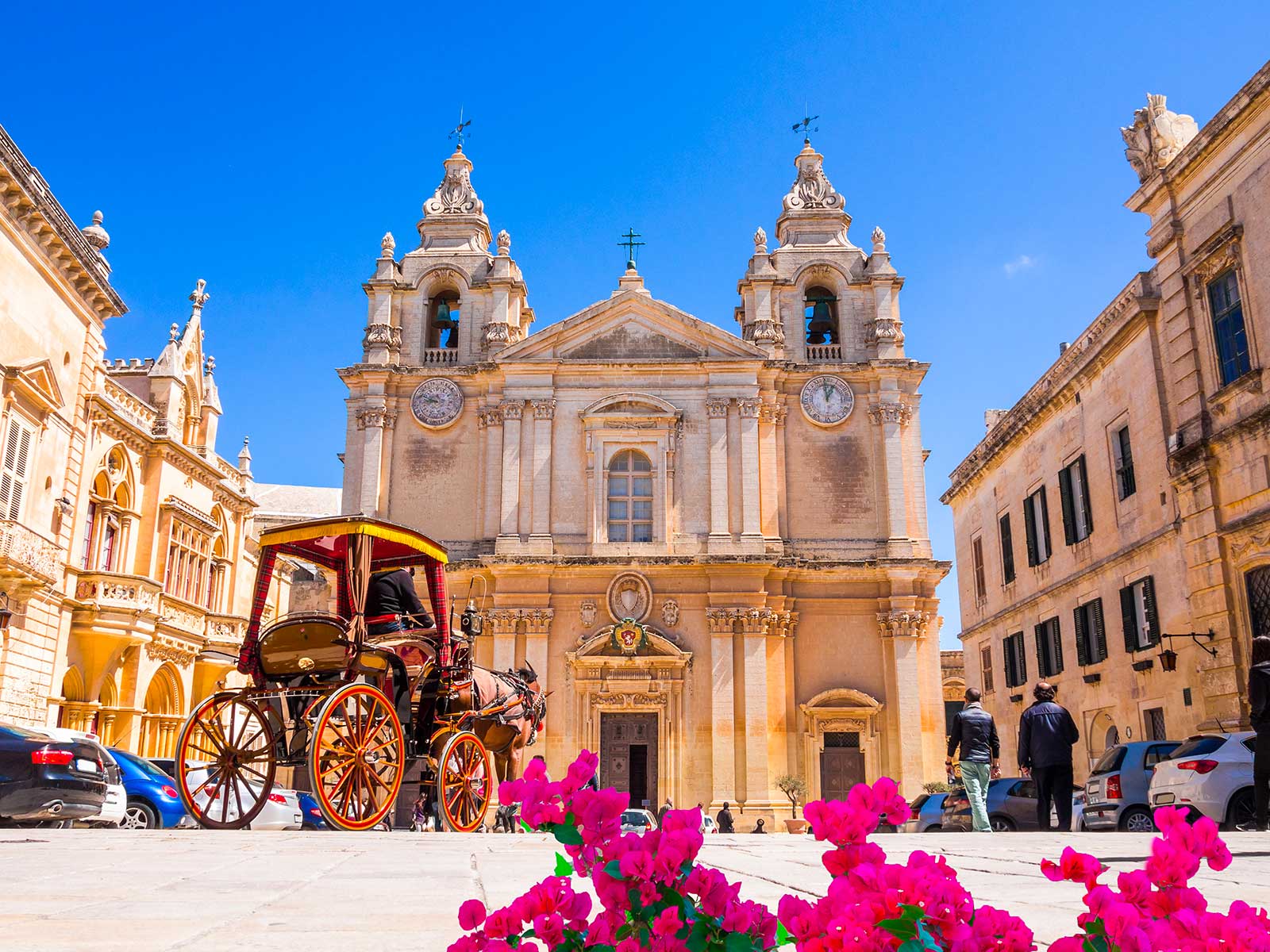
- Mdina:The "Silent City,"Mdina, is a magnificent medieval walled city with narrow, atmospheric streets, offering a stark contrast to Valletta's Baroque grandeur.
- Blue Grotto:Experience the stunning natural sea caves and brilliant blue waters of the Blue Grotto on a traditional boat trip.
Valletta is more than just a city; it's an experience. Its majestic architecture, profound history, and vibrant contemporary life combine to create a destination that captivates and inspires. Whether you're a history buff, an art enthusiast, or simply seeking a charming European escape, Valletta promises an unforgettable journey.