
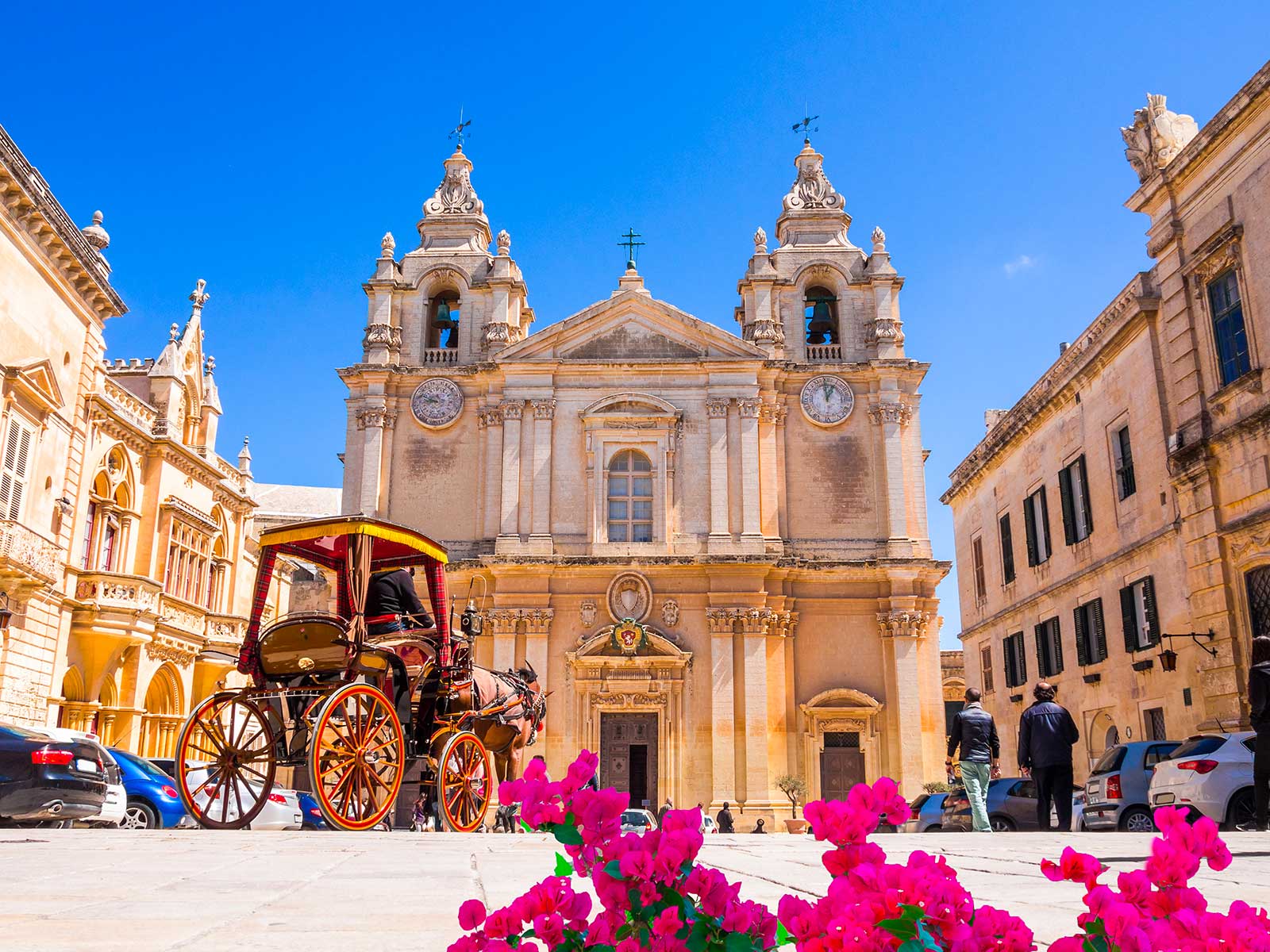
Castille Place Valletta: History and Architecture Guide
Dominating one of Valletta's highest points, Castille Place is home to the magnificent Auberge de Castille, a true architectural jewel and a testament to Malta's rich history. This guide delves into the past and present of this iconic landmark, offering insights into its profound historical significance and stunning Baroque design.
The Grandeur of Auberge de Castille
Auberge de Castille, often simply referred to as Castille, stands proudly at the heart of Valletta, serving as the office of the Prime Minister of Malta. Its commanding presence and ornate facade make it one of the most photographed and revered buildings in the capital. More than just a seat of power, it is a living museum, reflecting centuries of Maltese heritage and European artistry.
A Legacy Forged by Knights
The story of Castille Place begins with the Knights Hospitaller of St. John, who founded Valletta in the wake of the Great Siege of 1565. The city was designed not just as a fortress but as a sophisticated urban centre, with each of the Knights' Langues (linguistic divisions) constructing its own Auberge, or inn, to house its members.
The Knights' Vision: From Humble Beginnings
The original Auberge de Castille et Portugal was built between 1571 and 1574 to a design by the Maltese architect Girolamo Cassar. Like the other Auberges, it served as the residence and administrative hub for the Knights from the Langues of Castille, León, and Portugal. While impressive for its time, this initial structure was more functional than flamboyant, reflecting the early, more austere period of Valletta's construction.
A Baroque Masterpiece Unveiled
By the 18th century, tastes had shifted dramatically towards the grandeur of the Baroque style. The Grand Master Manuel Pinto da Fonseca, seeking to enhance the prestige of the Knights and Valletta itself, commissioned a complete reconstruction of the Auberge de Castille. The new building, designed by Maltese architect Andrea Belli and supervised by Giuseppe Bonici, was completed in 1745. It is this magnificent Baroque structure that we admire today.
The Baroque style, prevalent in Europe from the early 17th to mid-18th centuries, is characterized by its opulence, dramatic flair, and intricate ornamentation, aiming to evoke awe and emotional intensity. Auberge de Castille is a prime example of its application in military and governmental architecture.
Architectural Splendor: A Detailed Look
The Auberge de Castille is a quintessential example of high Baroque architecture, meticulously crafted to impress and inspire. Its design speaks volumes about the power and wealth of the Knights of St. John at their zenith.
The Exquisite Facade
The building's facade is its most striking feature, a symphony of architectural elements. It is dominated by a grand, central portal flanked by massive columns that soar upwards, supporting an elaborate balcony. Above the entrance, one can observe intricate carvings, including the coat of arms of Grand Master Pinto, a bust of the Grand Master, and allegorical figures representing justice and fortitude. The overall effect is one of immense strength and artistic refinement.
Large, regularly spaced windows with decorative cornices punctuate the facade, allowing light into the interior while maintaining the building's imposing exterior. The use of locally sourced globigerina limestone, a golden-hued material, adds to its warm and inviting, yet powerful, aesthetic.
Beyond the Entrance: Interior and Courtyard
While much of the interior is not publicly accessible due to its function as the Prime Minister's office, the grand entrance hall and central courtyard offer glimpses of its inner beauty. The courtyard, typically surrounded by arcades, provides light and ventilation to the inner rooms and showcases the harmonious integration of functional design with aesthetic principles.
From Auberge to Administrative Hub
The history of Auberge de Castille did not end with the departure of the Knights of St. John in 1798. Its strategic location and imposing structure ensured its continued relevance through subsequent eras.
The British Period: New Roles
During the British colonial period, the Auberge served various purposes. It was initially used as a military headquarters for the British forces in Malta. Later, it housed the Command of the Mediterranean Fleet and even served as an officers' mess. Significant alterations were made, including the installation of a railway track on its terrace to transport supplies during World War I, a testament to its adaptability and the changing needs of the time.
The Seat of Maltese Government
Upon Malta gaining independence, Auberge de Castille transitioned into its most significant role yet: the official office of the Prime Minister of Malta. Since 1972, it has been the nerve centre of the Maltese government, a symbol of national sovereignty and the island's political heart. This transformation from a Knights' residence to a modern administrative hub underscores its enduring importance in Malta's historical narrative.
Exploring Castille Place and Its Surroundings
Castille Place is an essential stop on any visit to Valletta. Located at the highest point of the city, it offers superb views and is conveniently close to other major attractions.
Valletta's Panoramic Views
The area around Castille Place is particularly vibrant. Just opposite the Auberge are the Upper Barrakka Gardens, renowned for their breathtaking panoramic views of the Grand Harbour, the Three Cities, and the surrounding fortifications. It's an ideal spot for photography and relaxation, offering a perfect vantage point to appreciate Valletta's strategic layout.
A Hub of History and Culture
While exploring Valletta, visitors can immerse themselves in centuries of history. From the ancient wonders like the Hypogeum and the megalithic Hagar Qim Temples that showcase Malta's prehistoric past, to the more recent Baroque splendours of the capital, the island offers a rich tapestry of historical sites. Even beyond Valletta, you can discover the silent city of Mdina, entering through the impressive Mdina Gate, or delve into the underground burial chambers of St. Paul's Catacombs.
Beyond the historical, Malta also boasts stunning natural beauty, from the azure waters of the Blue Grotto to the serene landscapes of Chateau Buskett. Castille Place serves as an excellent starting point for exploring this diverse island nation.
The Enduring Symbolism of Castille Place
Today, Castille Place remains a powerful symbol of Malta's resilience and enduring identity. It represents a continuous link between the island's glorious past under the Knights, its colonial experiences, and its present as a sovereign nation. Its imposing architecture and strategic position continue to inspire awe, making it a must-visit for anyone interested in Maltese history, culture, and governance.
Whether you're admiring its intricate facade, enjoying the surrounding gardens, or simply contemplating its historical significance, Castille Place offers a profound connection to the heart of Malta. It stands not merely as a building, but as a living monument to the island's remarkable journey through time.