
A Guide to Malta's UNESCO World Heritage Sites
Malta, a small archipelago in the heart of the Mediterranean, boasts a history as vast and intricate as the sea surrounding it. This island nation is a treasure trove of ancient wonders and architectural marvels, proudly preserving three distinct UNESCO World Heritage Sites that tell stories spanning millennia.
Designated by the United Nations Educational, Scientific and Cultural Organization, these sites represent humanity's collective legacy, highlighting Malta's unique contribution to world heritage. Exploring them offers a profound journey through time, from prehistoric temples to a magnificent Baroque capital and a mysterious underground sanctuary.
Valletta: The Baroque Capital City
Malta's capital, Valletta, is a city unlike any other. Built by the Knights of St. John in the 16th century following the Great Siege of 1565, it is a fortified city planned on a grid system, showcasing an exceptional collection of Baroque architecture. Its strategic location, grand fortifications, and stunning harbor views make it a living museum.
A City Built by Knights
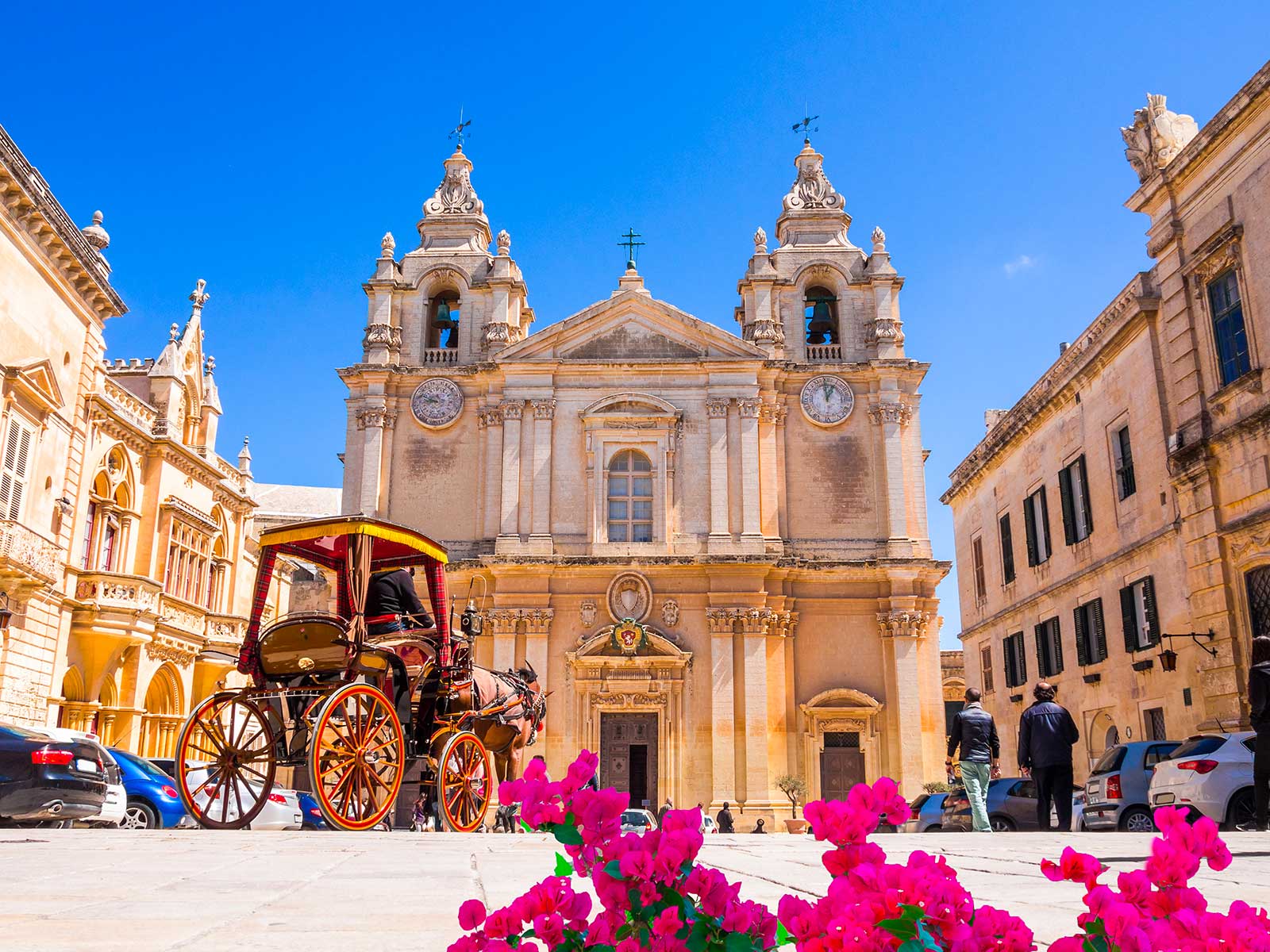
Valletta's streets are narrow and steep, flanked by honey-coloured limestone buildings adorned with traditional enclosed wooden balconies. The city's design was revolutionary for its time, incorporating a sophisticated water and drainage system, and its defensive walls remain largely intact, testament to the Knights' engineering prowess. Key landmarks include the awe-inspiring St. John's Co-Cathedral, home to Caravaggio's masterpiece, and the Grand Master's Palace, now housing the President's Office and Parliament. Don't miss the Upper Barrakka Gardens for panoramic views of the Grand Harbour and the Three Cities. Nearby, you can find Castille Place, an iconic square dominated by the Auberge de Castille.
Travel Tip:Valletta is best explored on foot. Wear comfortable shoes and be prepared for some inclines. Many streets are pedestrian-only, allowing for a leisurely stroll through history.
The Megalithic Temples of Malta
Long before the Knights, a mysterious civilization flourished on Malta, leaving behind some of the oldest freestanding stone structures in the world. These Megalithic Temples, dating back to 3600-2500 BC, predate Stonehenge and the Egyptian pyramids, offering an unparalleled glimpse into prehistoric life and ritual.
Ġgantija Temples (Gozo)
Located on Malta's sister island, Gozo, the Ġgantija Temples are the oldest and most impressive of the group. Their name, meaning "giantess," reflects the local belief that they were built by giants. Comprising two enormous temples surrounded by a massive common wall, they stand as a testament to the incredible engineering skills of their builders.
Ħaġar Qim and Mnajdra Temples
Perched dramatically on a windswept plateau overlooking the Mediterranean Sea, the Ħaġar Qim Temples and Mnajdra Temples are among Malta's most evocative sites. Ħaġar Qim is notable for its intricate altars and a monumental portal, while Mnajdra, situated a short walk downhill, comprises three separate but adjoining temples. Both sites are remarkable for their astronomical alignments, particularly during the equinoxes and solstices, demonstrating sophisticated astronomical knowledge.
Tarxien Temples
The Tarxien Temples, located within a modern town, reveal a different aspect of this prehistoric culture. Discovered by farmers in 1913, these temples are celebrated for their elaborate stone carvings, including spiral motifs and animal reliefs, and evidence of rituals involving animal sacrifices. A visit here provides valuable insights into the artistic and religious practices of the temple builders.
Skorba and Ta’ Ħaġrat Temples
Less frequently visited but equally significant are the Skorba and Ta’ Ħaġrat Temples, located in the village of Mġarr. These sites provide crucial evidence for the earliest phases of temple building on Malta, with Ta’ Ħaġrat being one of the best-preserved examples of an early temple. Exploring these sites offers a deeper understanding of the evolution of Malta's prehistoric architecture.
Did You Know?The Megalithic Temples of Malta are considered to be the oldest freestanding structures in the world, predating both Stonehenge and the Pyramids of Giza by many centuries.
The Ħal Saflieni Hypogeum: An Underground Enigma
Beneath the modern streets of Paola lies the extraordinary Ħal Saflieni Hypogeum, a subterranean complex carved out of the living rock. Discovered accidentally in 1902, this unique UNESCO site is a prehistoric burial ground and temple, dating from 4000 to 2500 BC.
A Subterranean Necropolis and Sanctuary
The Hypogeum is a masterpiece of prehistoric architecture, spread over three distinct levels. It mimics the architecture of the above-ground temples, complete with corbelled ceilings and intricate carvings, all meticulously sculpted from the rock using only stone tools. It served as a necropolis for an estimated 7,000 individuals and also as a sanctuary, with distinct chambers like the "Oracle Room" known for its acoustic properties, and the "Holy of Holies."
Due to its delicate microclimate and the need for preservation, access to the Hypogeum is strictly limited to a small number of visitors per day.Booking your tickets months in advance is essential, as they often sell out quickly. This exclusivity only adds to the site's mystique and importance.
Planning Your UNESCO Heritage Tour
To make the most of your visit to Malta's UNESCO sites, consider a few practical points. The shoulder seasons (spring and autumn) offer pleasant weather for exploring without the peak summer crowds. Public transport is readily available, connecting most major sites, though renting a car offers greater flexibility, especially for reaching the temples.
Remember to wear comfortable shoes, stay hydrated, and respect the ancient nature of these sites. Visitor centres at each location provide invaluable context and information, enhancing your understanding of Malta's profound heritage.
Beyond UNESCO: Discovering More of Malta's Treasures
While Malta's UNESCO sites are undoubtedly highlights, the island offers countless other historical and natural attractions. Explore the silent city of Mdina, entering through the iconic Mdina Gate, or delve into the ancient burial grounds of St. Paul's Catacombs. Nature lovers can marvel at the stunning Blue Grotto's sea caves or enjoy the tranquil environment of Buskett Gardens. For a unique experience, visit Popeye Village, a film set turned family attraction, or take a boat trip to Comino Island for its crystal-clear Blue Lagoon. Even smaller towns like Zebbug offer local charm and hidden gems. Malta truly is an island of endless discoveries.
Conclusion
Malta's UNESCO World Heritage Sites offer an extraordinary journey through human history, from the dawn of civilization to the grandeur of the Baroque era. These sites are not merely ancient stones or grand buildings; they are windows into the souls of the people who shaped this remarkable island. A visit to Malta is an immersion in a living history, where every corner turned reveals another layer of its profound and captivating past.