
Best Time to Visit Maldives for Ideal Weather & Activities
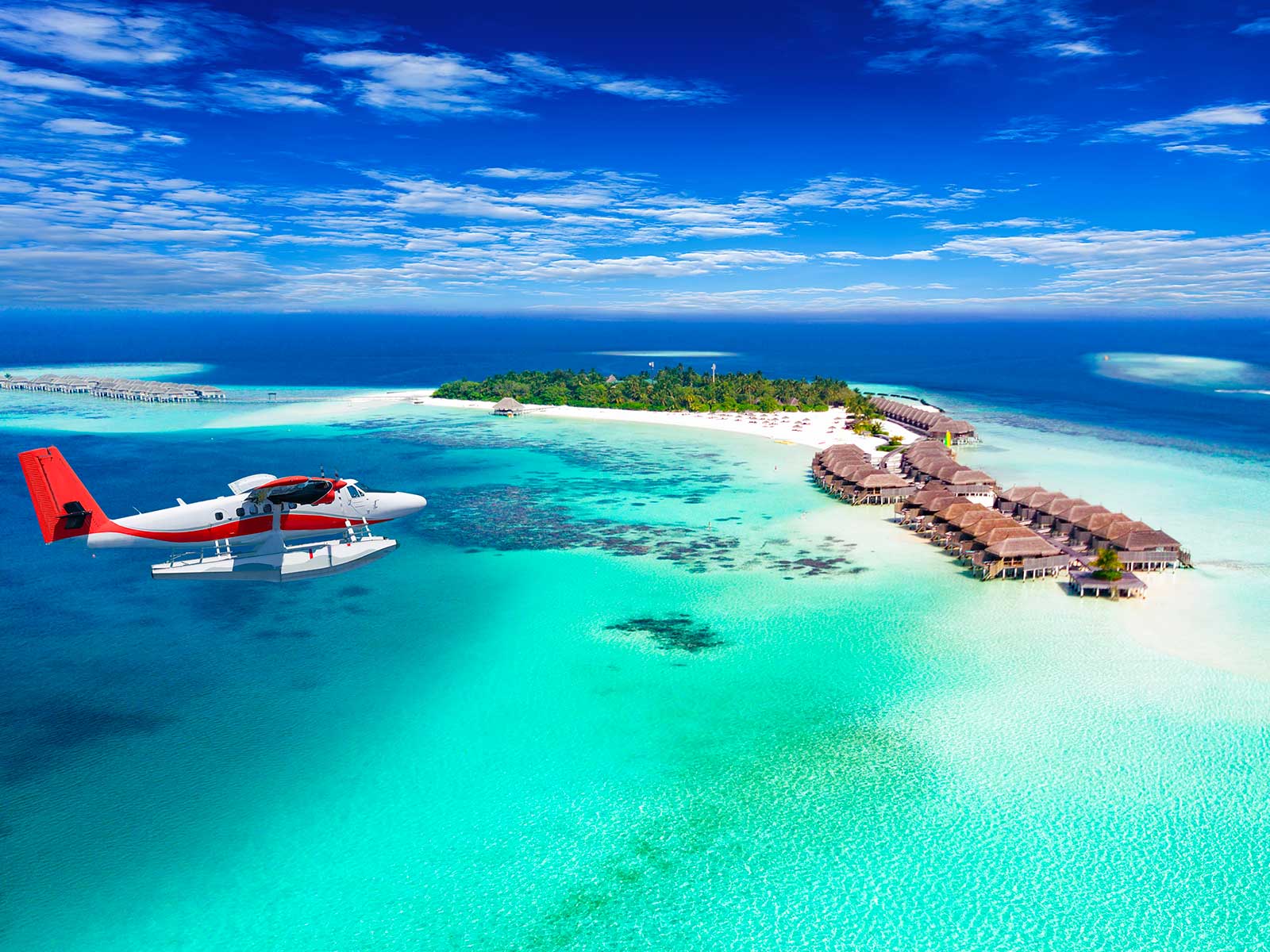
The Maldives, an archipelago of breathtaking islands in the Indian Ocean, is renowned for its pristine beaches, vibrant coral reefs, and luxurious overwater bungalows. While this tropical paradise often conjures images of endless sunshine, understanding the nuanced seasons is key to planning your perfect Maldivian escape, ensuring ideal weather for your desired activities.
Understanding the Maldives' Tropical Climate
The Maldives experiences a tropical monsoon climate, characterized by two distinct seasons influenced by the monsoons: the dry northeast monsoon and the wet southwest monsoon. Temperatures remain consistently warm year-round, typically ranging from 25°C to 31°C (77°F to 88°F), with high humidity. The primary factors distinguishing the seasons are rainfall, wind, and sea conditions.
The Dry Season: December to April (High Season)
Considered the peak tourist season, the dry season brings the most stable and desirable weather conditions. From December through April, the Maldives enjoys abundant sunshine, minimal rainfall, and calm, crystal-clear seas. This period is perfect for all water-based activities and sunbathing.
- Weather:Expect long stretches of sunny days, low humidity, and very little rain. The skies are typically clear, offering stunning sunsets.
- Sea Conditions:The waters are exceptionally calm and clear, providing excellent visibility for snorkeling and diving.
- Activities:This is the ideal time for swimming, sunbathing on famous stretches like Bikini Beach, exploring vibrant reefs like Banana Reef, and enjoying various water sports. Luxury resorts on islands such as COMO Cocoa Island and Baros Island are in high demand.
- Crowds & Cost:As the most popular time to visit, expect higher resort prices and more tourists. Booking well in advance is highly recommended.
Travel Tip:While December offers festive cheer, January to March generally provides the driest and sunniest weather, making it a prime window for a truly idyllic beach holiday.
The Wet Season: May to November (Low Season)
The wet season, also known as the monsoon season, is characterized by higher humidity, more frequent rainfall, and stronger winds. However, "wet" doesn't necessarily mean continuous rain; showers are often short, intense, and followed by sunshine. This season offers a different charm and can be more budget-friendly.
- Weather:Expect warmer temperatures, higher humidity, and a greater chance of rain. Showers can range from brief drizzles to heavy downpours, sometimes accompanied by thunderstorms.
- Sea Conditions:The seas can be choppier, especially during stronger winds, which can affect visibility for divers and snorkelers on some days. However, these conditions also bring unique opportunities.
- Activities:This period is prime for surfing, as the monsoons bring consistent swells to specific atolls. It's also an excellent time for encountering larger marine life like manta rays and whale sharks, particularly around atolls like Ari Atoll, and islands such as Veligandu Island and Alimatha Island. Explore local culture in places like Maafushi, or visit landmarks like the Grand Friday Mosque.
- Crowds & Cost:Fewer tourists mean a more serene experience and significantly lower prices for flights and accommodation. This can be an excellent option for those seeking better value.
Shoulder Seasons: April/May and October/November
These transitional months can offer a sweet spot, blending good weather with fewer crowds and more attractive prices.
- April/May:As the dry season transitions to the wet, you can still experience many sunny days, often with the added benefit of lower prices and fewer visitors. However, the chance of rain begins to increase towards May.
- October/November:The wet season is winding down, and the weather gradually improves. While there might still be some rain, the seas are often calmer, and marine life sightings can be excellent as the waters settle. Resorts on islands like Kuredu and Mihiri Island might offer good deals.
Best Time for Specific Activities
Diving & Snorkeling
For optimal visibility and calm seas, thedry season (December to April)is generally preferred. However, if your goal is to specifically seemanta rays and whale sharks, thewet season (May to November)can be exceptional. During this time, plankton blooms attract these majestic creatures to specific feeding grounds, particularly in the Baa Atoll and South Ari Atoll. Sites like Banana Reef are fantastic year-round, but specific animal sightings peak at different times.
Surfing
Thewet season (May to November)is undoubtedly the best time for surfing in the Maldives. Consistent south-west swells bring ideal conditions, particularly to the North and South Malé Atolls.
Honeymoons & Romantic Getaways
Most couples choose thedry season (December to April)for guaranteed sunshine and picture-perfect backdrops for their special trip. Islands like COMO Cocoa Island and Baros Island are highly sought after during this period.
Budget Travel
If you're looking to experience the Maldives without the premium price tag, thewet season (May to November)offers the best value. You'll find significant discounts on accommodation and flights, and while rain is possible, it rarely lasts all day, leaving plenty of time to enjoy the islands, perhaps even exploring the capital Malé and its Artificial Beach or taking a unique trip on the Whale Submarine.
Family Vacations
For families, especially those with young children, the calm seas and predictable sunshine of thedry season (December to April)are often preferred. This allows for uninterrupted beach play and water activities. However, the shoulder seasons can offer a good compromise between weather and cost.
What to Pack for Your Maldivian Adventure
Regardless of the season, essentials include lightweight clothing, swimwear, reef-safe sunscreen, a wide-brimmed hat, sunglasses, and insect repellent. If visiting during the wet season, a light rain jacket or umbrella can be useful, though many resorts provide umbrellas. Don't forget your underwater camera to capture the incredible marine life!
Final Thoughts: Choosing Your Best Time
Ultimately, the "best" time to visit the Maldives depends on your priorities. If guaranteed sunshine, calm waters, and luxury are paramount, aim for thedry season (December to April). If you're an avid surfer, keen on spotting specific marine megafauna, or seeking better value, thewet season (May to November)or shoulder months could be your ideal choice. With careful planning, the Maldives promises an unforgettable experience whenever you decide to visit.
Whether you dream of lounging on the sands of Hithadhoo or diving into the depths of a vibrant reef, understanding the seasonal nuances will help you tailor your trip to perfection.