
Best Time to Visit Malaysia: Month-by-Month Guide
Malaysia, a vibrant tapestry of cultures, incredible food, and breathtaking landscapes, offers an unforgettable journey regardless of when you visit. However, understanding its unique climate patterns is key to planning your perfect trip, ensuring you catch the sunniest beach days or the ideal trekking conditions. This comprehensive guide breaks down Malaysia's weather month-by-month, helping you navigate its regional nuances from bustling cities to pristine islands and ancient rainforests.
Understanding Malaysia's Climate: A Quick Overview
Malaysia experiences a tropical climate characterized by high temperatures, high humidity, and abundant rainfall throughout the year. However, its weather patterns are heavily influenced by two major monsoon seasons:
- Southwest Monsoon (May to September):Generally brings drier weather to Peninsular Malaysia's west coast and Borneo, while the east coast experiences more rainfall.
- Northeast Monsoon (November to March):Brings heavy rainfall, particularly to Peninsular Malaysia's east coast (closing many islands) and Sarawak in Borneo. The west coast of Peninsular Malaysia typically remains drier during this period.
Temperatures generally hover between 25°C and 35°C (77°F and 95°F) year-round, with highland areas like the Cameron Highlands offering cooler respite.
East Coast vs. West Coast vs. Borneo: Key Differences
Malaysia can be broadly divided into three distinct weather zones, each with its own optimal travel periods:
- Peninsular Malaysia - West Coast (e.g., Penang, Langkawi, Melaka):Generally drier from December to April. Experiences shorter, less intense rain showers during the Southwest Monsoon (May to September), making it a good year-round destination.
- Peninsular Malaysia - East Coast (e.g., Perhentian Islands, Redang Island, Tioman Island):Best visited from March to October. The Northeast Monsoon (November to March) brings heavy rains and rough seas, causing many resorts and ferry services to close.
- Malaysian Borneo (e.g., Sabah, Sarawak):Experiences two peak periods for drier weather: April to September and December to February. It generally sees more rainfall than Peninsular Malaysia, with heavier downpours from November to January/February, especially in Sarawak.
Malaysia Month-by-Month: Detailed Guide
January
West Coast:Excellent weather – sunny, dry, and ideal for exploring Langkawi Island or the vibrant streets of Penang.East Coast:Peak monsoon season. Most islands are closed, and strong winds make sea travel difficult.Borneo:Generally good, though expect occasional heavy showers, especially in Sarawak. Good for wildlife spotting along the Kinabatangan River or orangutan encounters at Semenggoh Nature Reserve.Events:Thaipusam (usually late Jan/early Feb) sees a massive Hindu pilgrimage at Batu Caves.
February
West Coast:Continues to be one of the best months. Perfect for beach holidays and island hopping.East Coast:Monsoon still ongoing, but some areas might start seeing fewer heavy rains towards the end of the month.Borneo:Good weather overall. Ideal for trekking up Mount Kinabalu if conditions are clear.Events:Chinese New Year (can fall in late January or early February) brings festive decorations and celebrations across the country, especially in cities like Kuala Lumpur and Penang.
March
West Coast:Excellent weather persists. Great for enjoying the Langkawi Sky Bridge or exploring cultural sites like the Pinang Peranakan Mansion.East Coast:The monsoon begins to recede. Islands like Perhentian Islands and Redang Island start to reopen, offering clear waters for diving and snorkeling by late March.Borneo:Good for exploring national parks like Bako National Park.
April
West Coast:Still very good, though temperatures can start to climb.East Coast:Excellent conditions for diving and beach activities. The sea is calm, and visibility is high.Borneo:Ideal for wildlife tours and exploring the rainforests.Sipadan Island offers world-class diving conditions.
May
West Coast:The Southwest Monsoon begins, bringing short, heavy afternoon showers, but plenty of sunshine too. Still a good time to visit.East Coast:Peak season. Perfect for enjoying the crystal-clear waters of the Perhentian Islands or Redang Island.Borneo:Excellent weather for outdoor activities, especially hiking and exploring remote areas.Events:Wesak Day (Buddhist festival) and Kaamatan (Harvest Festival in Sabah) are celebrated.
June
West Coast:Similar to May, with occasional rain but generally pleasant.East Coast:Continues to be peak season, with warm, sunny days and calm seas.Borneo:One of the best months for exploring Sabah and Sarawak, including diving around the Mantanani Islands and climbing Mount Kinabalu.Events:Gawai Dayak (Harvest Festival in Sarawak) is a significant cultural event.
July
West Coast:Good weather, with occasional rain showers. Still very popular with tourists.East Coast:Peak season, bustling with visitors. Book accommodations well in advance.Borneo:Excellent conditions for wildlife viewing and jungle trekking in Taman Negara.
August
West Coast:Generally good, but can experience slightly more rain towards the end of the month.East Coast:Still very popular, but slightly fewer crowds than June/July. Conditions remain excellent.Borneo:Continues to offer fantastic weather for all activities, from exploring Bako National Park to relaxing on Tanjung Aru Beach.Events:Merdeka Day (National Day) on August 31st brings patriotic celebrations.
September
West Coast:Good weather, with afternoon showers becoming a bit more frequent.East Coast:Still a great time to visit, but the monsoon season begins to approach towards the end of the month, with some islands starting to wind down operations.Borneo:Generally good, though the weather can be a bit more unpredictable with occasional rain.
Travel Tip:September is often considered a shoulder month, offering good weather in many regions with slightly fewer crowds than peak season.
October
West Coast:Generally good, but expect more frequent and heavier rain showers than earlier in the year.East Coast:The Northeast Monsoon is fast approaching. Many islands will start closing down by mid-October. It's advisable to check ferry schedules and resort openings.Borneo:Transitions into its wetter season, but still manageable for travel, though expect more rain.Events:Deepavali (Hindu Festival of Light) usually falls in October or November.
November
West Coast:Good travel month. While there can be rain, it's often in short, sharp bursts, leaving plenty of dry periods.East Coast:Full monsoon season. Most islands are closed, and sea conditions are rough.Borneo:Wet season, particularly in Sarawak. While travel is still possible, some outdoor activities might be affected by heavy rain.
December
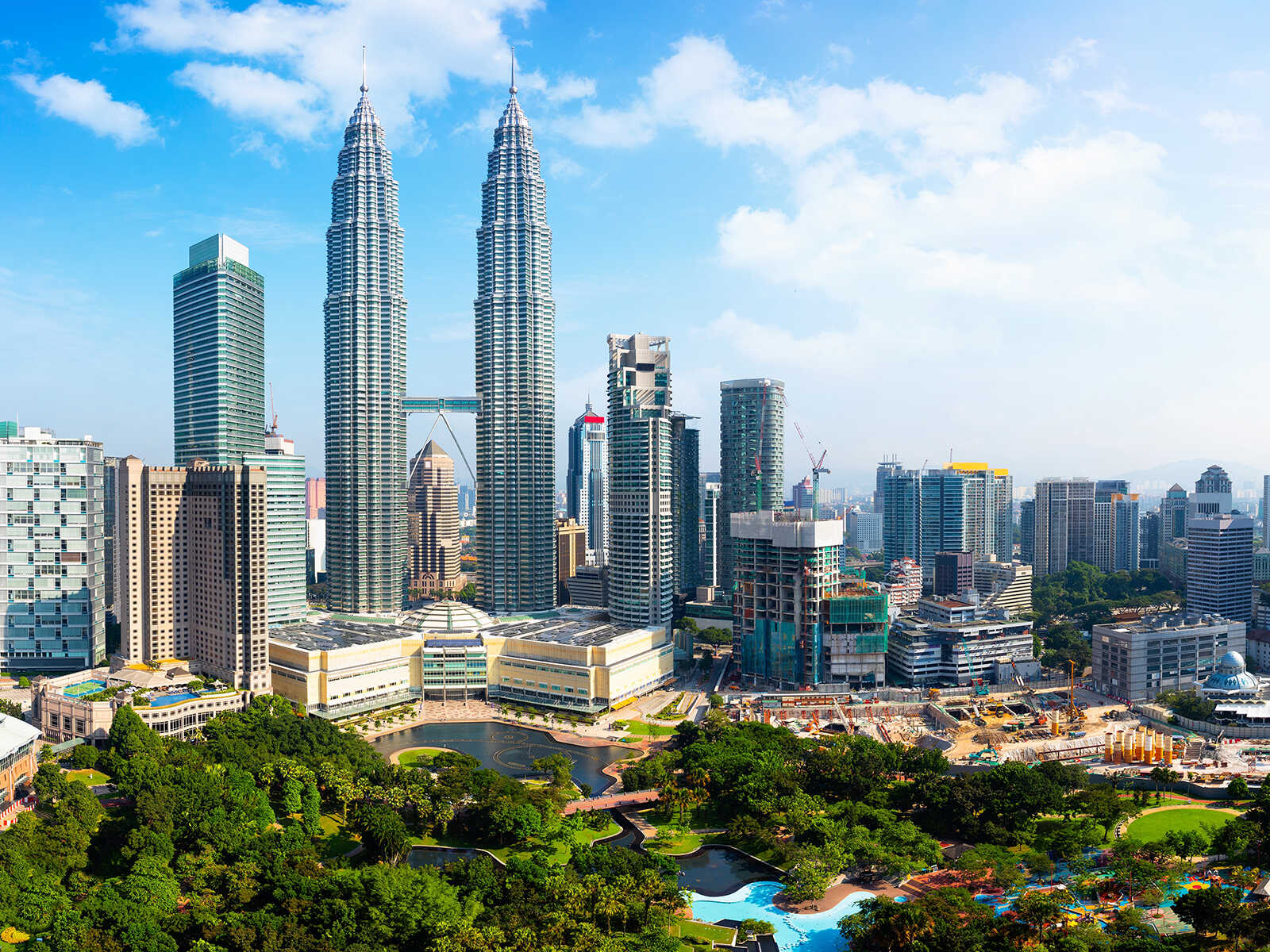
West Coast:Excellent weather returns, making it a popular destination for holidaymakers. Perfect for exploring Kuala Lumpur's attractions like the Petronas Twin Towers.East Coast:Peak monsoon season. Avoid this region for beach holidays.Borneo:Wet season, but still sees many visitors due to holiday periods. Expect heavy downpours but also periods of sunshine.Events:Christmas and New Year celebrations are widespread, especially in cities.
Best Time for Specific Activities
- Diving & Snorkeling:
- East Coast (Perhentian, Redang):March to October.
- Borneo (Sipadan, Mantanani):April to September.
- West Coast (Langkawi, Pangkor):Generally good year-round, with best visibility during dry months (Dec-April).
- Hiking & Trekking:
- Mount Kinabalu:February to April for best chances of clear weather.
- Taman Negara:February to September. Can be done year-round, but leeches are more prevalent during wet season.
- Cameron Highlands:Year-round, but avoid heavy rain season for more comfortable treks.
- City Exploration (Kuala Lumpur, Penang, Melaka):
- Generally good year-round due to excellent infrastructure, although the West Coast's dry season (December-April) offers less chance of rain. Explore the Melaka Straits Mosque or the Ubudiah Royal Mosque without worrying about sudden downpours.
- Wildlife Spotting (Borneo):
- April to September offers drier conditions, making it easier to spot orangutans, proboscis monkeys, and other wildlife along the Kinabatangan River or in Bako National Park.
Annual Events and Festivals
Malaysia's multicultural fabric means there's almost always a festival happening. Major celebrations like Chinese New Year (Jan/Feb), Thaipusam (Jan/Feb), Hari Raya Aidilfitri (Eid al-Fitr - dates vary), Wesak Day (May), Gawai Dayak (June), Kaamatan (May), Merdeka Day (Aug 31), and Deepavali (Oct/Nov) can influence travel, sometimes leading to crowded transport and booked accommodations, but also offering unique cultural immersion opportunities.
Important Travel Tips
- Book in Advance:Especially during peak seasons (June-August for East Coast, December-February for West Coast) and around major public holidays.
- Pack Light Layers:Malaysia is hot and humid. Breathable fabrics are essential. A light rain jacket is always a good idea.
- Stay Hydrated:Drink plenty of water throughout the day.
- Sun Protection:Sunscreen, hats, and sunglasses are a must.
- Insect Repellent:Especially if you plan to visit rainforests or spend evenings outdoors.
Ultimately, Malaysia is a destination that can be enjoyed at any time of year, provided you tailor your itinerary to the prevailing weather patterns. Whether you seek sun-drenched beaches, thrilling jungle adventures, or vibrant cultural experiences, a little planning will ensure your Malaysian adventure is nothing short of spectacular.