
Understanding Malawian Culture and Customs: A Traveler's Guide
Malawi, affectionately known as the "Warm Heart of Africa," welcomes visitors with open arms and a rich tapestry of traditions. To truly appreciate this captivating nation, understanding its vibrant culture and respectful customs is paramount for any traveler seeking an authentic and enriching experience.
The Warm Heart of Africa: An Introduction to Malawian Hospitality
Malawian culture is deeply rooted in hospitality and community. Visitors are often struck by the genuine warmth and friendliness of the people, who are quick to smile, greet, and offer assistance. This inherent kindness is a cornerstone of Malawian identity, making interactions with locals a highlight of any trip.
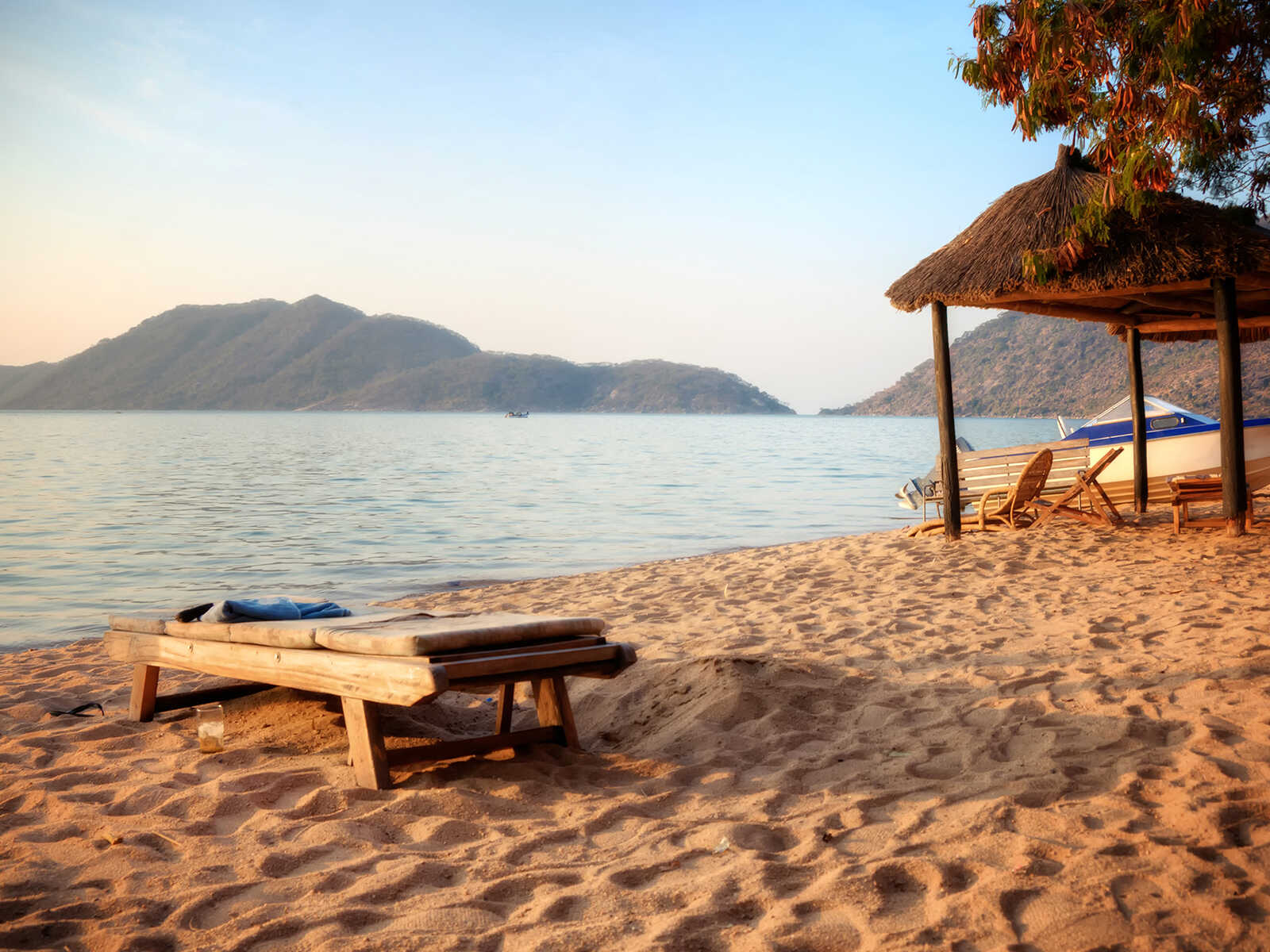
Life in Malawi is often communal, with strong ties to family, village, and tradition. While modern influences are present, particularly in urban centers, the rhythm of life for many still revolves around agricultural cycles, close-knit communities, and a deep respect for elders and established customs. Exploring different regions, from the shores of Lake Malawi National Park to the highlands of the Mulanje Massif, reveals subtle variations in traditions, but the underlying spirit of warmth remains constant.
Key Cultural Values and Etiquette
Navigating Malawian society gracefully requires an awareness of key cultural values and basic etiquette. Politeness, respect, and humility are highly valued.
Greetings and Social Interactions
- Handshakes:A soft handshake is the most common form of greeting. It's polite to use your right hand. When greeting an elder or a person of higher status, it's customary to support your right forearm with your left hand as a sign of respect.
- Verbal Greetings:Always greet people, even if passing by. "Muli bwanji?" (How are you?) is a common Chichewa greeting, to which "Ndili bwino, kaya inu?" (I am fine, and you?) is a polite response. Always ask about the family, even if briefly.
- Eye Contact:Direct eye contact can sometimes be considered disrespectful when speaking to elders or those in authority. A more subtle, indirect gaze is often preferred.
Travel Tip:Taking a moment to greet people in their local language, even if just "Muli bwanji," goes a long way in showing respect and opening doors to friendly interactions.
Respect for Elders and Authority
Elders hold a revered position in Malawian society. Always show deference and respect to older individuals. This might involve speaking softly, listening attentively, and if offering something, doing so with both hands or your right hand supported by your left. Similarly, respect for community leaders, police, and other figures of authority is expected.
Dress Code and Modesty
Malawi is a relatively conservative country, and modest dress is appreciated, particularly for women. While swimwear is acceptable at beaches or resort pools, outside these areas, women should aim to cover their shoulders and knees. Achitenje(a brightly colored fabric wrap) is a versatile garment often worn by Malawian women and can be a practical and respectful addition to a female traveler's wardrobe, especially when visiting local villages or markets. Men typically wear trousers or shorts and shirts.
Food and Dining Etiquette
Food is central to Malawian culture, often enjoyed communally. The staple food isnsima, a thick porridge made from maize flour, typically served with a relish of fish, meat, or vegetables. Eating with your right hand is common, though cutlery is also available in many places.
- Washing Hands:It's customary to wash hands before and after a meal, often with a basin of water and soap provided.
- Sharing:Meals are often shared from a communal plate or bowl. Take only what you intend to eat and don't hoard food.
- Right Hand Rule:Always use your right hand for eating, passing food, or accepting items. The left hand is traditionally considered unclean.
When visiting lakeside towns like Mangochi or Chintheche, you'll find an abundance of fresh fish, particularly chambo from Lake Malawi, which is a local delicacy. Don't be afraid to try local dishes; it's a fantastic way to immerse yourself in the culture.
Traditional Arts, Music, and Dance
Malawi boasts a vibrant artistic heritage. Traditional music and dance play a significant role in celebrations, ceremonies, and daily life. You might encounter lively performances at cultural events or even in local villages. Each ethnic group has its own distinct dance forms and musical instruments.
Craftsmanship is also highly valued. Travelers can find beautiful hand-carved wooden items, intricate basketry, pottery, and vibrant paintings. The town of Dedza, for instance, is famous for its pottery, offering a glimpse into this rich artistic tradition.
Religion and Beliefs
Christianity is the dominant religion in Malawi, with a significant Muslim population and a smaller number of people adhering to traditional African beliefs. Religious tolerance is widely practiced. Churches and mosques are important community centers. If visiting a religious site, dress modestly and be respectful of ongoing services or customs.
Family and Community Life
The extended family is the bedrock of Malawian society. Children are raised communally, and respect for family elders is paramount. Community support networks are strong, especially in rural areas, where people often rely on each other for assistance and companionship. Travelers may observe this communal spirit in action, from shared chores to village gatherings.
Navigating Local Markets and Interactions
Visiting a local market is a sensory delight and a fantastic way to observe daily Malawian life. While bargaining is common, particularly in tourist-oriented markets, do so respectfully and good-naturedly. Always be polite and smile. When taking photos of people, it's always best to ask for permission first, especially for close-up shots.
Language Essentials: A Few Useful Phrases
While English is an official language and widely spoken in tourist areas and cities like Zomba (near the Zomba Plateau), learning a few basic phrases in Chichewa (also known as Chinyanja), the national language, will greatly enhance your interactions:
- Muli bwanji?- How are you?
- Ndili bwino.- I am fine.
- Zikomo.- Thank you.
- Pepani.- Excuse me / Sorry.
- Moni.- Hello (general greeting).
- Chonde.- Please.
Responsible Tourism: Respecting the Culture
To ensure your visit is beneficial for both you and the local communities, embrace responsible tourism practices:
- Support Local:Purchase goods and services from local vendors and businesses.
- Ask Permission:Before taking photos of people or entering private property.
- Be Mindful of Waste:Dispose of your rubbish properly.
- Learn and Listen:Be open to learning about local customs and traditions.
By approaching your journey with an open mind and a respectful attitude, you will not only gain a deeper appreciation for Malawian culture but also create lasting memories and meaningful connections. Whether you're exploring the wildlife of Majete Wildlife Reserve or hiking through Nyika National Park, remember that the true gem of Malawi lies in its people and their incredible hospitality.