
Top Things to Do in Lilongwe: Malawi's Capital City Guide
Lilongwe, the vibrant capital of Malawi, offers a captivating blend of urban energy and traditional charm. As the primary gateway for many travelers, it provides an authentic introduction to the Warm Heart of Africa, inviting exploration before venturing further into the country's stunning landscapes.
Lilongwe is a city of two distinct halves: the bustling Old Town (Old City) and the more modern Capital City (New City). The Old Town pulsates with local life, dominated by vibrant markets and smaller shops, while the Capital City houses government offices, embassies, and contemporary amenities. This unique duality offers visitors a chance to experience both the traditional heartbeat and the evolving face of Malawi.
Key Attractions & Experiences in Lilongwe
Discover the Lilongwe Wildlife Centre
This award-winning sanctuary is amust-visit, offering a unique opportunity to connect with Malawi's wildlife. Rescuing and rehabilitating orphaned and injured animals, the centre provides a safe haven for monkeys, baboons, antelopes, and various bird species. Visitors can observe these animals in natural enclosures, learn about conservation efforts, and even participate in guided tours. It’s a truly impactful experience for all ages, highlighting Malawi's commitment to protecting its natural heritage.
Immerse Yourself in the Old Town Market
The heart of Lilongwe's Old Town beats strongest in its sprawling central market. A sensory overload in the best possible way, here you'll find everything from fresh produce, spices, and clothing to household goods and traditional remedies. Wander through the narrow aisles, soak in thevibrant atmosphere, and engage with friendly local vendors. It’s an authentic glimpse into daily Malawian life and an excellent spot for people-watching.
Explore the Parliament Building and Capital Hill
Located in the New City, the impressive Parliament Building stands as a symbol of Malawi's governance and independence. While access inside might be restricted, the surrounding Capital Hill area offers a glimpse into the country's administrative core. The architecture and well-maintained grounds provide a contrast to the Old Town's hustle and bustle.
Visit the World War I Memorial
This poignant memorial, located near the Old Town, commemorates Malawian soldiers who fought in World War I. It’s a quiet place for reflection and a reminder of the country's historical past and its contribution to global events. The memorial offers a moment of serenity amidst the city's activity.
Engage with Local Crafts and Souvenirs
Lilongwe is an excellent place to findauthentic Malawian crafts. Beyond the main market, look for smaller craft stalls and shops selling intricate wood carvings, vibrant fabric prints (chitenge), traditional baskets, and beaded jewelry. Supporting local artisans is a wonderful way to take a piece of Malawi home with you and contribute directly to the local economy. Consider a visit to the nearby town of Dedza, renowned for its pottery and art centre, making for a rewarding day trip.
Savor Malawian Cuisine
No visit to Lilongwe is complete without sampling the local fare. Look for restaurants serving traditional dishes likensima(a staple made from maize flour),chambo(a delicious fish from Lake Malawi),ndiwo(relish), and various stews. You'll find a range of eateries, from simple roadside stalls offering hearty local meals to more upscale restaurants catering to diverse tastes.
"Malawian food is a reflection of its people: warm, comforting, and full of flavor. Don't leave Lilongwe without tryingchambo– it’s a true taste of the country!"
Relax at a Local Café or Bar
Lilongwe has a growing number of modern cafes and lively bars, particularly in the New City and surrounding suburbs. These spots offer a chance to unwind, enjoy a coffee, or experience the local nightlife. They provide a comfortable setting to connect with fellow travelers or simply observe city life at a more relaxed pace.
Practical Tips for Visiting Lilongwe
- Getting Around:Taxis are readily available in both the Old and New Towns. Agree on a fare before starting your journey. Minibuses (matolas) offer a more local and budget-friendly option, though they can be crowded. For longer distances or convenience, consider hiring a car with a driver.
- Safety:Like any city, it's wise to be aware of your surroundings, especially after dark. Avoid walking alone at night and keep valuables out of sight. The Old Town can be particularly busy, so be mindful of pickpockets.
- Best Time to Visit:The dry season (May to October) is generally considered the best time to visit Malawi, offering pleasant temperatures and less rainfall. However, Lilongwe is accessible year-round.
- Currency:The local currency is the Malawian Kwacha (MWK). ATMs are available, particularly in the New City.
Beyond Lilongwe: Exploring the Warm Heart of Africa
While Lilongwe offers a rich introduction, Malawi's true magic often lies beyond its capital. The city serves as an ideal launchpad for adventures across the country:
- Wildlife Safaris:Head south to Liwonde National Park or Majete Wildlife Reserve for incredible wildlife viewing opportunities, including elephants, rhinos, and big cats. Further north, the vast wilderness of Nyika National Park offers a unique montane safari experience.
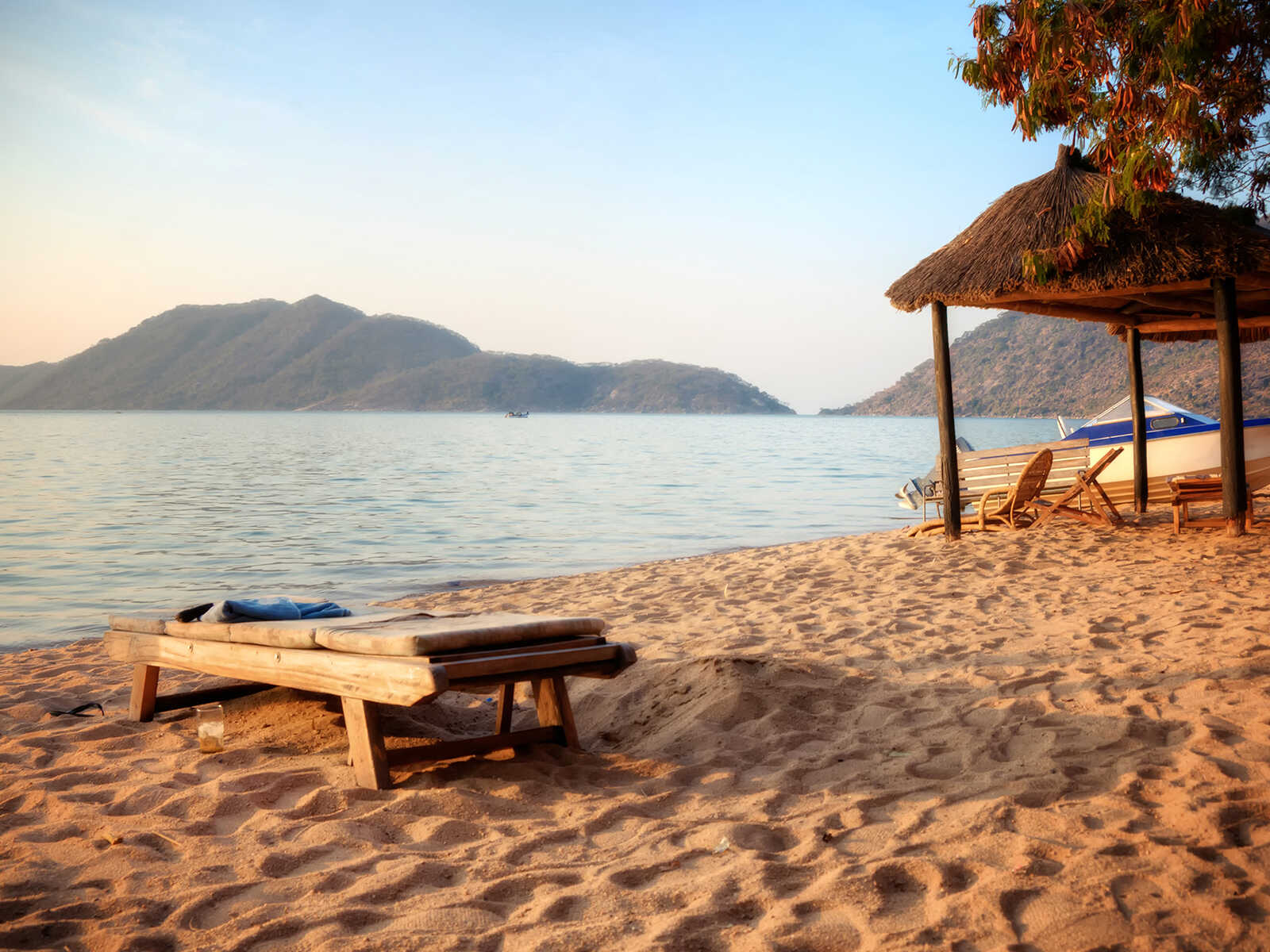
- Lake Malawi Adventures:Journey east to the shimmering shores of Lake Malawi National Park, a UNESCO World Heritage Site famous for its cichlid fish and crystal-clear waters. Popular spots like Chintheche and Mangochi offer stunning beaches and water activities.
- Mountain Treks:Challenge yourself with a hike up the majestic Mulanje Massif, or explore the cooler climes and scenic waterfalls of the Zomba Plateau.
Conclusion
Lilongwe, with its blend of bustling markets, cultural sites, and wildlife conservation efforts, provides a fascinating starting point for any Malawian adventure. It’s a city that invites you to slow down, engage with its people, and truly experience the vibrant pulse of theWarm Heart of Africabefore you embark on further explorations of this beautiful country.