
Planning Your Mulanje Massif Trek: Essential Information and Permits
Embark on an unforgettable adventure to the majestic Mulanje Massif in southern Malawi, a towering granite island rising dramatically from the surrounding plains. This comprehensive guide provides all the essential information you need to plan a safe, rewarding, and responsible trekking experience on this unique natural wonder.
Discovering the Mulanje Massif
Often referred to as "the island in the sky," the Mulanje Massif is a spectacular geological formation, offering a diverse landscape of peaks, plateaus, and deep gorges. It boasts Sapitwa Peak, the highest point in south-central Africa, along with numerous other summits exceeding 2,500 meters. Trekking here provides an immersive experience into unique ecosystems, breathtaking vistas, and a profound sense of wilderness.
Fun Fact:The Mulanje Massif is home to the endemic Mulanje Cedar (Widdringtonia whytei), Malawi's national tree, though sadly it is critically endangered due to deforestation and illegal logging.
Essential Pre-Trek Planning
A successful trek on Mulanje begins long before you set foot on the trail. Careful preparation is key to enjoying the mountain safely.
Best Time to Trek
The dry season, typically fromApril to November, is generally considered the best time for trekking. During these months, rainfall is minimal, trails are less slippery, and visibility is usually excellent. The wet season (December to March) brings heavy rains, making some trails impassable and increasing the risk of flash floods and reduced visibility. Even during the dry season, weather on the massif can change rapidly, so always be prepared for rain and cooler temperatures.
Fitness and Experience
Trekking Mulanje requires a moderate to good level of physical fitness. Trails can be steep, rocky, and uneven, with significant elevation gains. While there are routes suitable for various fitness levels, a multi-day trek involves sustained effort. Prior hiking experience is beneficial, especially for navigating challenging terrain and adapting to changing weather conditions.
What to Pack
Packing light but smart is crucial for a comfortable trek. Here’s a general checklist:
- Clothing:Layers are essential. Include moisture-wicking base layers, warm mid-layers (fleece/down), waterproof and windproof outer shell, sturdy hiking trousers, and warm hat/gloves.
- Footwear:Broken-in hiking boots with good ankle support are non-negotiable.
- Sleeping:A warm sleeping bag (temperatures can drop significantly at night) and a sleeping mat if you prefer extra comfort in the basic huts.
- Food & Water:Sufficient non-perishable food for the duration of your trek, snacks, and a water filter/purification tablets. Streams are available, but treatment is advised.
- Navigation:Map (available from the Forestry Department), compass, and GPS device/app.
- Safety & Comfort:First-aid kit, headlamp with spare batteries, sunscreen, insect repellent, toiletries, sturdy backpack, and a power bank for electronics.
Permits, Guides, and Porters: The Essentials
To ensure a safe and responsible trek, and to support conservation efforts, obtaining the necessary permits and engaging local support is mandatory and highly recommended.
Obtaining Permits
All trekkers are required to register and pay conservation fees at theForestry Department office in Mulanje town(specifically, the Likhubula office is a common starting point). These fees contribute directly to the maintenance of trails, huts, and ongoing conservation work on the Massif. Permits typically cover your entry and use of the mountain huts. It’s advisable to register the day before your trek or early on the morning of your departure.
Why Hire a Guide?
Hiring a registered and experienced local guide isstrongly recommendedand, for multi-day treks, often a requirement.Mulanje's trails are not always well-marked, and weather conditions can change rapidly, leading to disorientation. Guides possess invaluable knowledge of the terrain, local flora and fauna, weather patterns, and emergency procedures. They also act as a vital link to the local community.
The Role of Porters
Porters, though optional, can significantly enhance your trekking experience, especially on multi-day hikes. They carry your heavier gear, allowing you to trek with a lighter daypack and focus on the stunning scenery. Hiring porters also directly contributes to the local economy, providing much-needed employment opportunities. Ensure your porters are registered and treated fairly.
Choosing Your Mulanje Route
The Mulanje Massif offers a myriad of routes, ranging from challenging multi-day expeditions to shorter day hikes. Most treks begin from the base villages ofLikhubulaorChitakale.
Common routes include:
- Likhubula to Chambe Plateau:A popular multi-day trek, often including Sapitwa Peak.
- Chitakale to Lichenya Plateau:Another well-trodden path offering stunning views and access to beautiful valleys.
- Circuit Treks:Experienced trekkers can plan longer circuits, linking various huts and peaks over several days.
Discuss your desired duration, fitness level, and interests with the Forestry Department staff or your guide to select the most suitable route. Each route offers unique perspectives of the Massif's diverse landscapes.
Safety and Logistics on the Massif
While an incredible adventure,Mulanje demands respect for its wild nature.
- Navigation:Even with a guide, carry a map and compass. Familiarize yourself with your route.
- Weather:Be prepared for all conditions. Sudden fog can reduce visibility to a few meters.
- Water:While streams are abundant, always filter or purify water before drinking.
- Food:There are no shops on the mountain; carry all your food supplies.
- Huts:The mountain huts are basic but provide shelter. They have bunks but often no mattresses, so a sleeping mat is recommended. Firewood is usually available for cooking and warmth.
- Communication:Mobile phone signal can be intermittent or non-existent in many areas of the massif.
Respecting the Environment and Local Culture
Trekking on Mulanje is an opportunity to connect with nature and local communities. Practice Leave No Trace principles:
- Pack out everything you pack in.
- Stay on marked trails.
- Respect wildlife and flora.
- Be mindful of noise levels.
Engage respectfully with local people. A smile, a greeting, and a genuine interest in their way of life can enrich your experience. Support local businesses, including your guides and porters, fairly.
Beyond Mulanje: Exploring More of Malawi
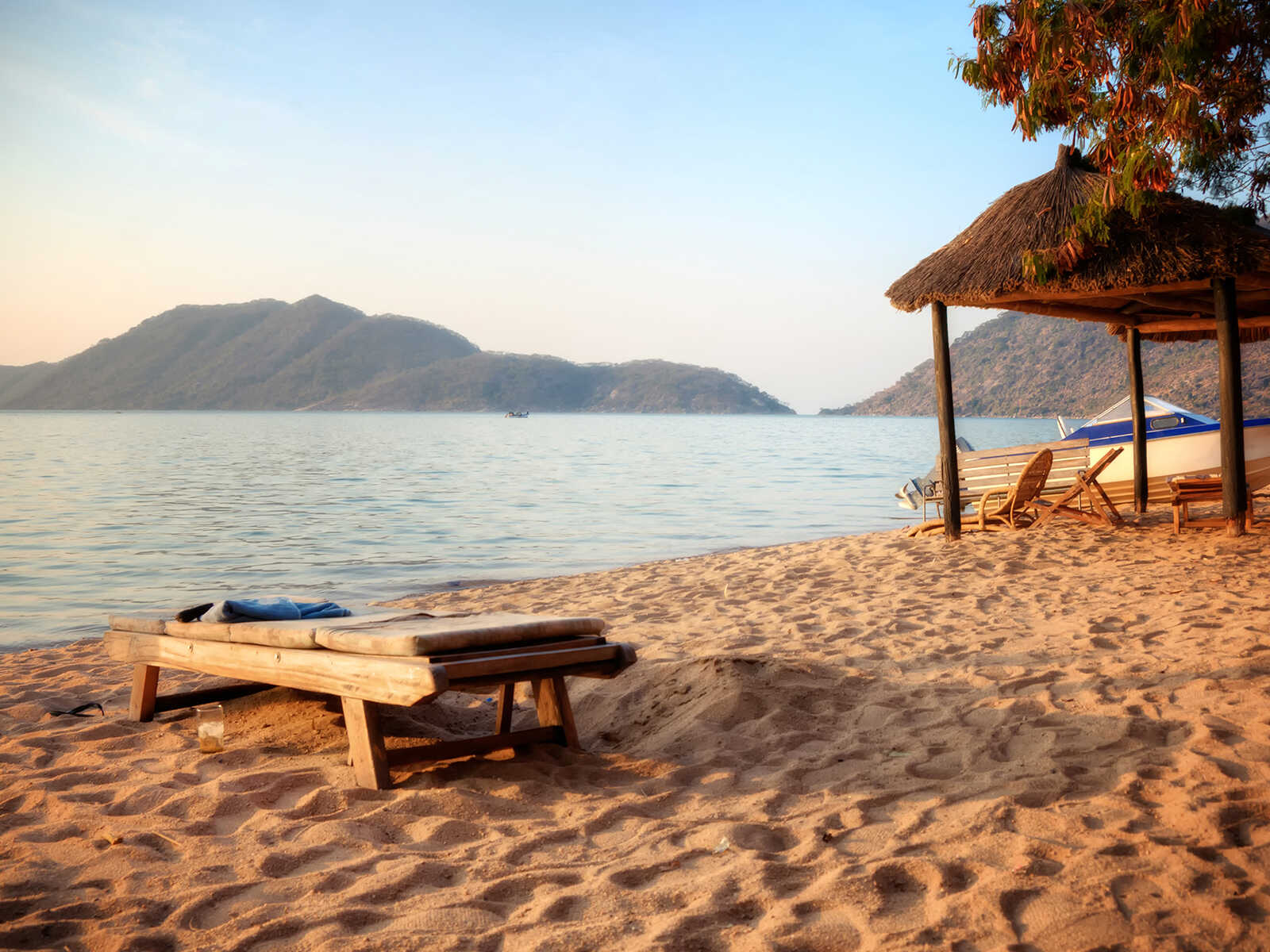
After conquering the heights of Mulanje, Malawi offers a wealth of diverse experiences. Head north to the stunning Lake Malawi National Park for freshwater snorkeling and diving, or relax on the pristine beaches around Chintheche or Mangochi. For wildlife enthusiasts, safaris at Liwonde National Park or Majete Wildlife Reserve offer incredible opportunities to spot the Big Five. Consider a cooler trek on the Zomba Plateau or explore the rolling highlands of Nyika National Park for different high-altitude adventures. Each destination offers a unique glimpse into the Warm Heart of Africa.
Planning your Mulanje Massif trek carefully will ensure an unforgettable journey through one of Africa's most magnificent landscapes. Embrace the challenge, soak in the views, and create memories that will last a lifetime.